
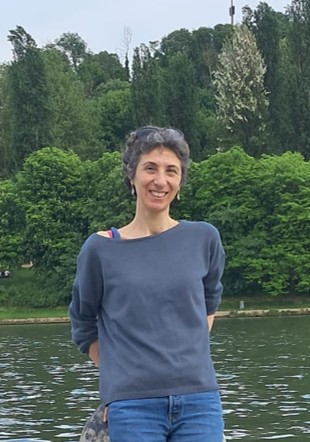
Arima Valentina
Valentina Arima graduated in Chemistry and obtained a PhD in Nanoscience. She is currently a permanent senior researcher at the Institute of Nanotechnology of the Italian National Research Council (CNR NANOTEC, Lecce, Italy). During her PhD, she specialized in molecular electronics, as well as in the fabrication and nanoscale characterization of molecular and biomolecular layers for biosensing applications.
She is currently the principal investigator of several projects and leads research lines focused on microfluidics for analytical and chemical applications, with a recent emphasis on polariton chemistry. She coordinates a research group and actively collaborates with academic institutions and industrial partners both in Italy and internationally.
Within the framework of the Tecnomed laboratory, her research has focused on the development of organ-on-chip platforms for mimicking the human blood–brain barrier and on organoid culture systems, as advanced tools for studying diseases and for drug screening applications.
Arima Valentina
Valentina Arima graduated in Chemistry and obtained a PhD in Nanoscience. She is currently a permanent senior researcher at the Institute of Nanotechnology of the Italian National Research Council (CNR NANOTEC, Lecce, Italy). During her PhD, she specialized in molecular electronics, as well as in the fabrication and nanoscale characterization of molecular and biomolecular layers for biosensing applications.
She is currently the principal investigator of several projects and leads research lines focused on microfluidics for analytical and chemical applications, with a recent emphasis on polariton chemistry. She coordinates a research group and actively collaborates with academic institutions and industrial partners both in Italy and internationally.
Within the framework of the Tecnomed laboratory, her research has focused on the development of organ-on-chip platforms for mimicking the human blood–brain barrier and on organoid culture systems, as advanced tools for studying diseases and for drug screening applications.
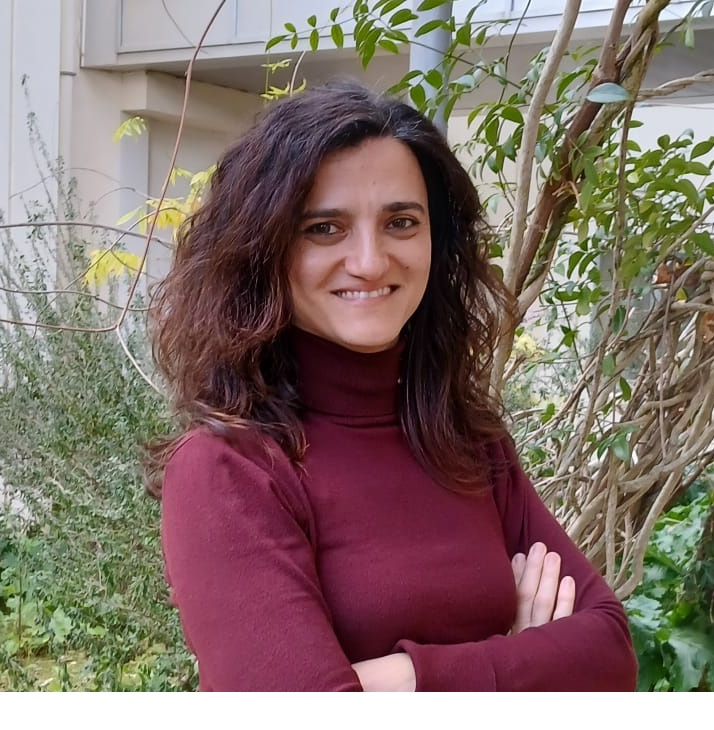
Chiriacò Maria Serena
Maria Serena Chiriacò (1984) gained her master degree cum laude in Human Biology in 2008 at Università del Salento; from May 2009 to June 2012, she attained her PhD on the “Smart Systems and Technologies” course at Università del Salento, Scuola Superiore ISUFI, Lecce, at the end of which she discussed her PhD thesis entitled “Protein EIS biosensors for on-chip diagnostics”.
Currently, she works as a permanent Senior Researcher at Nanotec Lecce. She gained high-level experience in the field of Lab-On-Chip devices for on-field diagnostics. Her skills vary from the design, fabrication and applications of electrochemical sensors to microfluidics and on-chip pre-treatments of biological samples, as confirmed by the publication of valuable papers in the field. The biological applications of the developed microfluidic and sensing platforms range from diagnostic tools to study biorecognition events (antigen/antibody, cell–cell, aptamer-antigen) to the detection of allergens or toxins, to the on-chip separation and sorting of biological objects and extracellular vesicles. She also has expertise in optical, laser and soft lithography and in employing photosensitive polymeric materials for microfluidic applications. She acquired skills in the realization of tools for the analysis of extracellular vesicles and in particular their sorting and entrapment on specifically-functionalized biochip. In 2019, she has been Principal investigator in SMILE Project (H2020 – EU Attract Program) in collaboration with STMicroelectronics and Unit Responsible in a PRIN2017 Project, both dealing with the realization of on-chip diagnostic tools. Recently (2020-2023), she led a Work Package of TITAN Project (Tumor ImmunoTherApy by Nanotechnology) dealing with the integration of microfluidic and sensing tools into lab-On-Chips for high-quality CAR-T cells production. Currently, she is the PI of a PRIN2022 Project (RESOLVE – innovative platfoRm based on fiEld-flow-fractionation and Sample On-chip detection to unravel extraceLlular Vesicles hEterogeneity) in collaboration with University of Bologna and Ospedale San Raffaele.
Chiriacò Maria Serena
Maria Serena Chiriacò (1984) gained her master degree cum laude in Human Biology in 2008 at Università del Salento; from May 2009 to June 2012, she attained her PhD on the “Smart Systems and Technologies” course at Università del Salento, Scuola Superiore ISUFI, Lecce, at the end of which she discussed her PhD thesis entitled “Protein EIS biosensors for on-chip diagnostics”.
Currently, she works as a permanent Senior Researcher at Nanotec Lecce. She gained high-level experience in the field of Lab-On-Chip devices for on-field diagnostics. Her skills vary from the design, fabrication and applications of electrochemical sensors to microfluidics and on-chip pre-treatments of biological samples, as confirmed by the publication of valuable papers in the field. The biological applications of the developed microfluidic and sensing platforms range from diagnostic tools to study biorecognition events (antigen/antibody, cell–cell, aptamer-antigen) to the detection of allergens or toxins, to the on-chip separation and sorting of biological objects and extracellular vesicles. She also has expertise in optical, laser and soft lithography and in employing photosensitive polymeric materials for microfluidic applications. She acquired skills in the realization of tools for the analysis of extracellular vesicles and in particular their sorting and entrapment on specifically-functionalized biochip. In 2019, she has been Principal investigator in SMILE Project (H2020 – EU Attract Program) in collaboration with STMicroelectronics and Unit Responsible in a PRIN2017 Project, both dealing with the realization of on-chip diagnostic tools. Recently (2020-2023), she led a Work Package of TITAN Project (Tumor ImmunoTherApy by Nanotechnology) dealing with the integration of microfluidic and sensing tools into lab-On-Chips for high-quality CAR-T cells production. Currently, she is the PI of a PRIN2022 Project (RESOLVE – innovative platfoRm based on fiEld-flow-fractionation and Sample On-chip detection to unravel extraceLlular Vesicles hEterogeneity) in collaboration with University of Bologna and Ospedale San Raffaele.
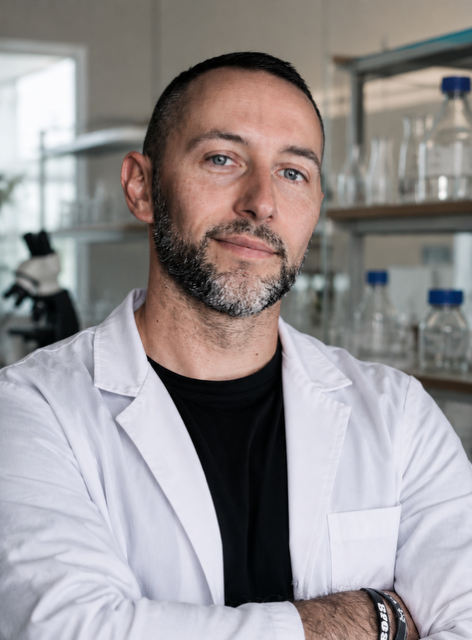
Colombelli Adriano
Dr. Adriano Colombelli is a permanent researcher at CNR-Nanotec (Institute of Nanotechnology). He works in the M&TA Lab (Micro & NanoPhotonics for Advanced Applications Laboratory), an associated laboratory hosted at CNR-IMM (Institute for Microelectronics and Microsystems) in Lecce. He holds a Ph.D. in Materials and Structural Engineering from the University of Salento. His research spans fundamental and applied aspects of nanoplasmonics and nanophotonics, with a primary focus on advanced optical biosensors for biomedical diagnostics. Since 2012, he has developed deep expertise in numerical modeling and in several low-cost nanostructuring techniques for the fabrication of two-dimensional plasmonic and magnetoplasmonic metamaterials. His work on Lab-on-Chip and Organ-on-Chip (OoC) technologies integrates optical and plasmonic sensing with advanced microfluidics, enabling the development of innovative point-of-care diagnostic platforms, including the use of optical investigation techniques in microdroplet generation systems. He has acquired significant experience in 3D printing and rapid prototyping for the custom fabrication of microfluidic devices and experimental setups. His advanced optical characterization toolkit includes plasmon-enhanced spectroscopies — including Surface-Enhanced Raman Scattering (SERS) and Plasmon-Enhanced Fluorescence (PEF) —, Fluorescence Lifetime Imaging Microscopy (FLIM), confocal microscopy analysis, and optical tweezer-based manipulation, applied to the study of biological samples and nano-biohybrid interfaces. He is currently involved in several national and European research projects and is the author of numerous peer-reviewed scientific publications.
Colombelli Adriano
Dr. Adriano Colombelli is a permanent researcher at CNR-Nanotec (Institute of Nanotechnology). He works in the M&TA Lab (Micro & NanoPhotonics for Advanced Applications Laboratory), an associated laboratory hosted at CNR-IMM (Institute for Microelectronics and Microsystems) in Lecce. He holds a Ph.D. in Materials and Structural Engineering from the University of Salento. His research spans fundamental and applied aspects of nanoplasmonics and nanophotonics, with a primary focus on advanced optical biosensors for biomedical diagnostics. Since 2012, he has developed deep expertise in numerical modeling and in several low-cost nanostructuring techniques for the fabrication of two-dimensional plasmonic and magnetoplasmonic metamaterials. His work on Lab-on-Chip and Organ-on-Chip (OoC) technologies integrates optical and plasmonic sensing with advanced microfluidics, enabling the development of innovative point-of-care diagnostic platforms, including the use of optical investigation techniques in microdroplet generation systems. He has acquired significant experience in 3D printing and rapid prototyping for the custom fabrication of microfluidic devices and experimental setups. His advanced optical characterization toolkit includes plasmon-enhanced spectroscopies — including Surface-Enhanced Raman Scattering (SERS) and Plasmon-Enhanced Fluorescence (PEF) —, Fluorescence Lifetime Imaging Microscopy (FLIM), confocal microscopy analysis, and optical tweezer-based manipulation, applied to the study of biological samples and nano-biohybrid interfaces. He is currently involved in several national and European research projects and is the author of numerous peer-reviewed scientific publications.
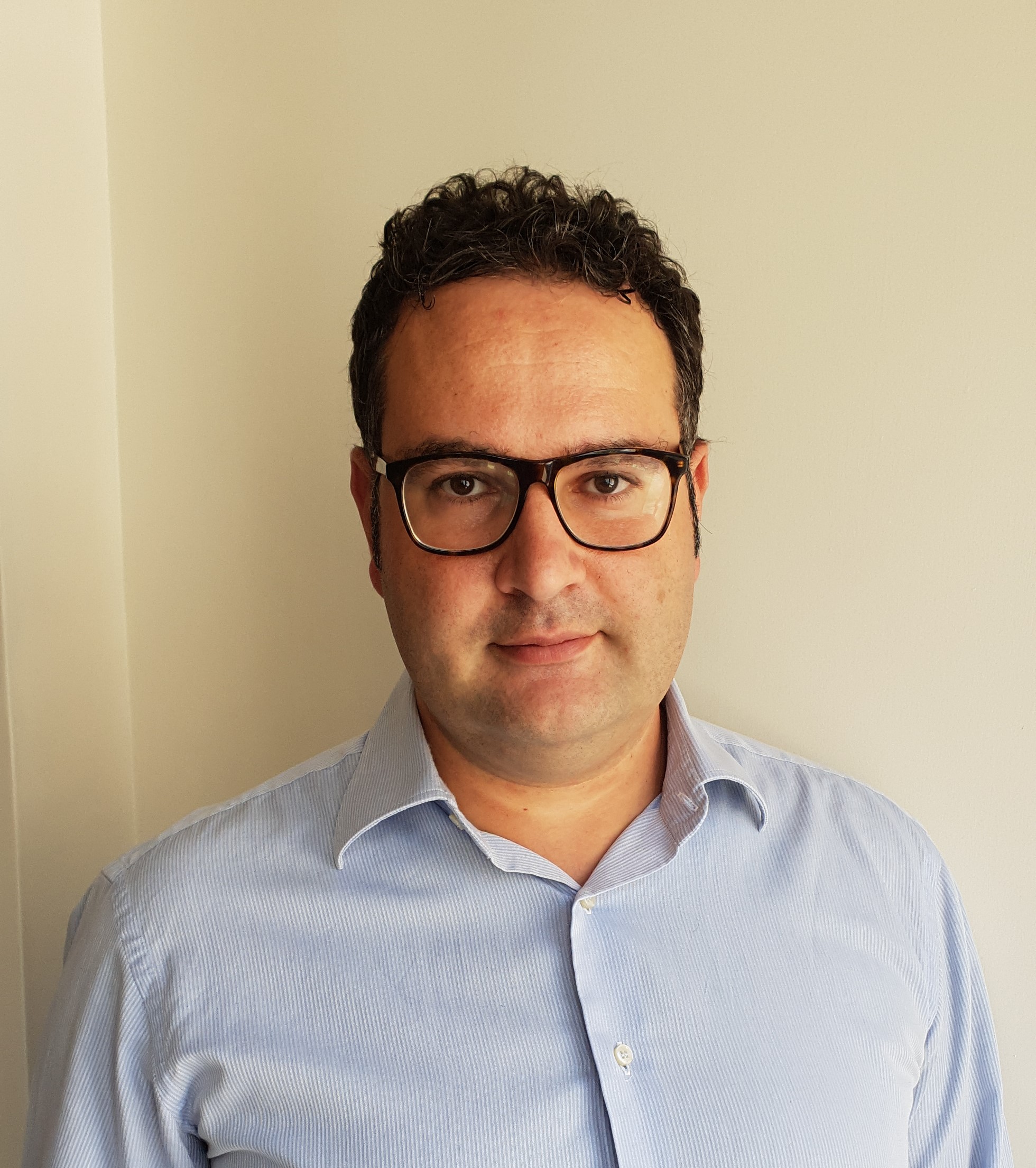
Cuscunà Massimo
He is a Technology Director at the Institute of Nanotechnology (NANOTEC) of the National Research Council (CNR), where he currently leads the Scanning Electron Microscopy Facility and the Nanofabrication Facility. He obtained his PhD in Physics from the University of "Roma TRE" (Rome) in 2006. He is the author or co-author of more than 90 peer-reviewed publications and holds two international patents. He is also qualified to function as an Associate Professor in Italian universities in the section: (FIS/01 Physics 02/B1-Experimental physics).
RESEARCH ACTIVITY:
- Advanced correlative imaging for the characterization of tumor microenvironments
-Design and development of plasmonic nanostructures for biosensing applications.
INFRASTRUCTURE MANAGEMENT:
He represents Italy in several international organizations, including:
-NFFA-Europe-Pilot (NEP) (https://www.nffa.eu/news/project-updates/pilot-nep/), a research infrastructure that brings together several European countries to provide a platform for multidisciplinary nanoscale research.
-EuroNanoLab (http://euronanolab.net), a research infrastructure that provides world-class nanofabrication tools and expertise across Europe.
-NanoWorldMaps (https://nanoworldmaps.eu/), a distributed research infrastructure that provides a nearly 100-fold increase in image acquisition speeds by using multiple electron beams.
PROJECT MANAGEMENT:
He is the coordinator of the CNR-NANOTEC unit in National projects and is currently involved in European projects.
Cuscunà Massimo
He is a Technology Director at the Institute of Nanotechnology (NANOTEC) of the National Research Council (CNR), where he currently leads the Scanning Electron Microscopy Facility and the Nanofabrication Facility. He obtained his PhD in Physics from the University of "Roma TRE" (Rome) in 2006. He is the author or co-author of more than 90 peer-reviewed publications and holds two international patents. He is also qualified to function as an Associate Professor in Italian universities in the section: (FIS/01 Physics 02/B1-Experimental physics).
RESEARCH ACTIVITY:
- Advanced correlative imaging for the characterization of tumor microenvironments
-Design and development of plasmonic nanostructures for biosensing applications.
INFRASTRUCTURE MANAGEMENT:
He represents Italy in several international organizations, including:
-NFFA-Europe-Pilot (NEP) (https://www.nffa.eu/news/project-updates/pilot-nep/), a research infrastructure that brings together several European countries to provide a platform for multidisciplinary nanoscale research.
-EuroNanoLab (http://euronanolab.net), a research infrastructure that provides world-class nanofabrication tools and expertise across Europe.
-NanoWorldMaps (https://nanoworldmaps.eu/), a distributed research infrastructure that provides a nearly 100-fold increase in image acquisition speeds by using multiple electron beams.
PROJECT MANAGEMENT:
He is the coordinator of the CNR-NANOTEC unit in National projects and is currently involved in European projects.
Del Mercato Loretta L.
Cv loading..
Ferrara Francesco
Francesco Ferrara is a senior researcher at CNR Institute of Nanotechnology. From 2004 to 2022 he was application engineer at System Research & Applications (SRA) group of STMicroelectronics. MSc in microelectronics engineering at Polytechnic University of Bari (IT) and PhD in biomolecular nanotechnology at University of Salento (IT). From 2004 to 2010 he worked on the first diagnostic platform based on disposable silicon chip for molecular testing in ST microfluidic business unit. Since 2010 he is part Silicon Biotech group and he work on new disposable Real-Time PCR platform for molecular diagnosis with integrated sample preparation device. Expert in cleanroom fabrication, optoelectronics and microfluidics, he is involved in national and European funding projects in the field of new generation technologies for healthcare.
Ferrara Francesco
Francesco Ferrara is a senior researcher at CNR Institute of Nanotechnology. From 2004 to 2022 he was application engineer at System Research & Applications (SRA) group of STMicroelectronics. MSc in microelectronics engineering at Polytechnic University of Bari (IT) and PhD in biomolecular nanotechnology at University of Salento (IT). From 2004 to 2010 he worked on the first diagnostic platform based on disposable silicon chip for molecular testing in ST microfluidic business unit. Since 2010 he is part Silicon Biotech group and he work on new disposable Real-Time PCR platform for molecular diagnosis with integrated sample preparation device. Expert in cleanroom fabrication, optoelectronics and microfluidics, he is involved in national and European funding projects in the field of new generation technologies for healthcare.
Gaballo Antonio
Antonio Gaballo is permanent Senior Researcher at the Institute of Nanotechnology, National Research Council (CNR), Lecce. He holds a PhD in Biochemistry and Biology and a medical specialization in Clinical Biochemistry and Chemistry.
From 2001 to 2013, Antonio Gaballo served as a researcher at the Institute of Biomembranes and Bioenergetics in Bari (CNR-IBBE, now IBIOM) where he worked on biochemical and molecular mechanisms of energy conservation in bacteria of industrial relevance and mitochondria as well as on mitochondrial bioenergetics in certain forms of familial Parkinson’s disease. In 2013, he moved to the Institute of Nanotechnology (CNR Nanotec) based in Lecce. At CNR Nanotec, Dr. Gaballo initiated research on the relationship between solid tumors and their microenvironment, with a particular focus on the mechanisms underlying metastasis formation. His work is actually concentrated on the regulation of epithelial–mesenchymal transition (EMT), especially in response to changes in the surrounding microenvironment. He has coordinated nationally funded projects on bacterial genomics and bioenergetics (MUR-FAR DM23154, 2010-2013) and on advanced therapeutic strategies and drug delivery systems (Regione Puglia, project SISTEMA, 2015-2017). Dr. Gaballo has held academic teaching roles at the University of Bari and supervised numerous graduate and doctoral researchers
Gaballo Antonio
Antonio Gaballo is permanent Senior Researcher at the Institute of Nanotechnology, National Research Council (CNR), Lecce. He holds a PhD in Biochemistry and Biology and a medical specialization in Clinical Biochemistry and Chemistry.
From 2001 to 2013, Antonio Gaballo served as a researcher at the Institute of Biomembranes and Bioenergetics in Bari (CNR-IBBE, now IBIOM) where he worked on biochemical and molecular mechanisms of energy conservation in bacteria of industrial relevance and mitochondria as well as on mitochondrial bioenergetics in certain forms of familial Parkinson’s disease. In 2013, he moved to the Institute of Nanotechnology (CNR Nanotec) based in Lecce. At CNR Nanotec, Dr. Gaballo initiated research on the relationship between solid tumors and their microenvironment, with a particular focus on the mechanisms underlying metastasis formation. His work is actually concentrated on the regulation of epithelial–mesenchymal transition (EMT), especially in response to changes in the surrounding microenvironment. He has coordinated nationally funded projects on bacterial genomics and bioenergetics (MUR-FAR DM23154, 2010-2013) and on advanced therapeutic strategies and drug delivery systems (Regione Puglia, project SISTEMA, 2015-2017). Dr. Gaballo has held academic teaching roles at the University of Bari and supervised numerous graduate and doctoral researchers
Galeone Antonio
Antonio Galeone is a researcher at CNR-Nanotec/TecnoMed Puglia, with expertise in glycobiology, genome editing, disease modeling, and glycoprotein quality control. His research focuses on how protein glycosylation controls glycoprotein folding, proteostasis, trafficking, signaling and disease-associated cellular phenotypes. He obtained a PhD in Nanoscience from the University of Salento. He conducted postdoctoral research at Baylor College of Medicine and the University of Milan, where he developed cellular and animal models to investigate the roles of glycosylation-related pathways in development and disease.
His work has contributed to defining glycosylation as a functional barcode that regulates protein fate, cellular communication, and disease mechanisms. He has published several high-impact studies in the fields of glycobiology, developmental biology, protein quality control, and disease modeling, contributing to the understanding of how glycan-dependent mechanisms shape physiological and pathological processes. This research trajectory has been supported by competitive national and international funding, including a Marie Skłodowska-Curie Individual Fellowship, a PNRR Young Researchers grant to establish the PAM project at CNR-Nanotec, and collaborative funding from PNRR-MR1 and Telethon Seed Grant programs for disease modeling and translational studies. At CNR-Nanotec, he leads research activities integrating glycobiology, CRISPR-based glyco-editing, automated lectin-affinity capillary electrophoresis, and patient-centered disease models. His current programs aim to translate glycan signatures into diagnostic and functional readouts in neurodegenerative, metabolic, rare genetic, and immuno-oncology contexts, including the development of Glyco-ID biomarkers and glyco-engineered cellular platforms.
Galeone Antonio
Antonio Galeone is a researcher at CNR-Nanotec/TecnoMed Puglia, with expertise in glycobiology, genome editing, disease modeling, and glycoprotein quality control. His research focuses on how protein glycosylation controls glycoprotein folding, proteostasis, trafficking, signaling and disease-associated cellular phenotypes. He obtained a PhD in Nanoscience from the University of Salento. He conducted postdoctoral research at Baylor College of Medicine and the University of Milan, where he developed cellular and animal models to investigate the roles of glycosylation-related pathways in development and disease.
His work has contributed to defining glycosylation as a functional barcode that regulates protein fate, cellular communication, and disease mechanisms. He has published several high-impact studies in the fields of glycobiology, developmental biology, protein quality control, and disease modeling, contributing to the understanding of how glycan-dependent mechanisms shape physiological and pathological processes. This research trajectory has been supported by competitive national and international funding, including a Marie Skłodowska-Curie Individual Fellowship, a PNRR Young Researchers grant to establish the PAM project at CNR-Nanotec, and collaborative funding from PNRR-MR1 and Telethon Seed Grant programs for disease modeling and translational studies. At CNR-Nanotec, he leads research activities integrating glycobiology, CRISPR-based glyco-editing, automated lectin-affinity capillary electrophoresis, and patient-centered disease models. His current programs aim to translate glycan signatures into diagnostic and functional readouts in neurodegenerative, metabolic, rare genetic, and immuno-oncology contexts, including the development of Glyco-ID biomarkers and glyco-engineered cellular platforms.
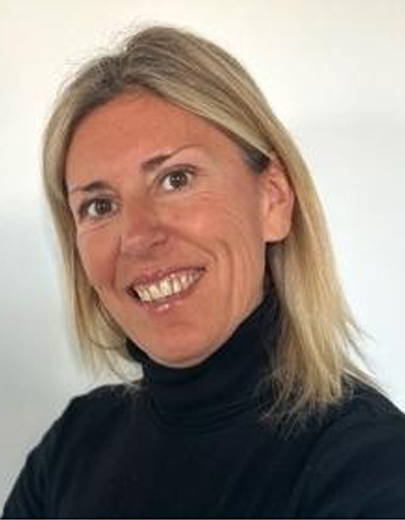
Gervaso Francesca
Cv loading..
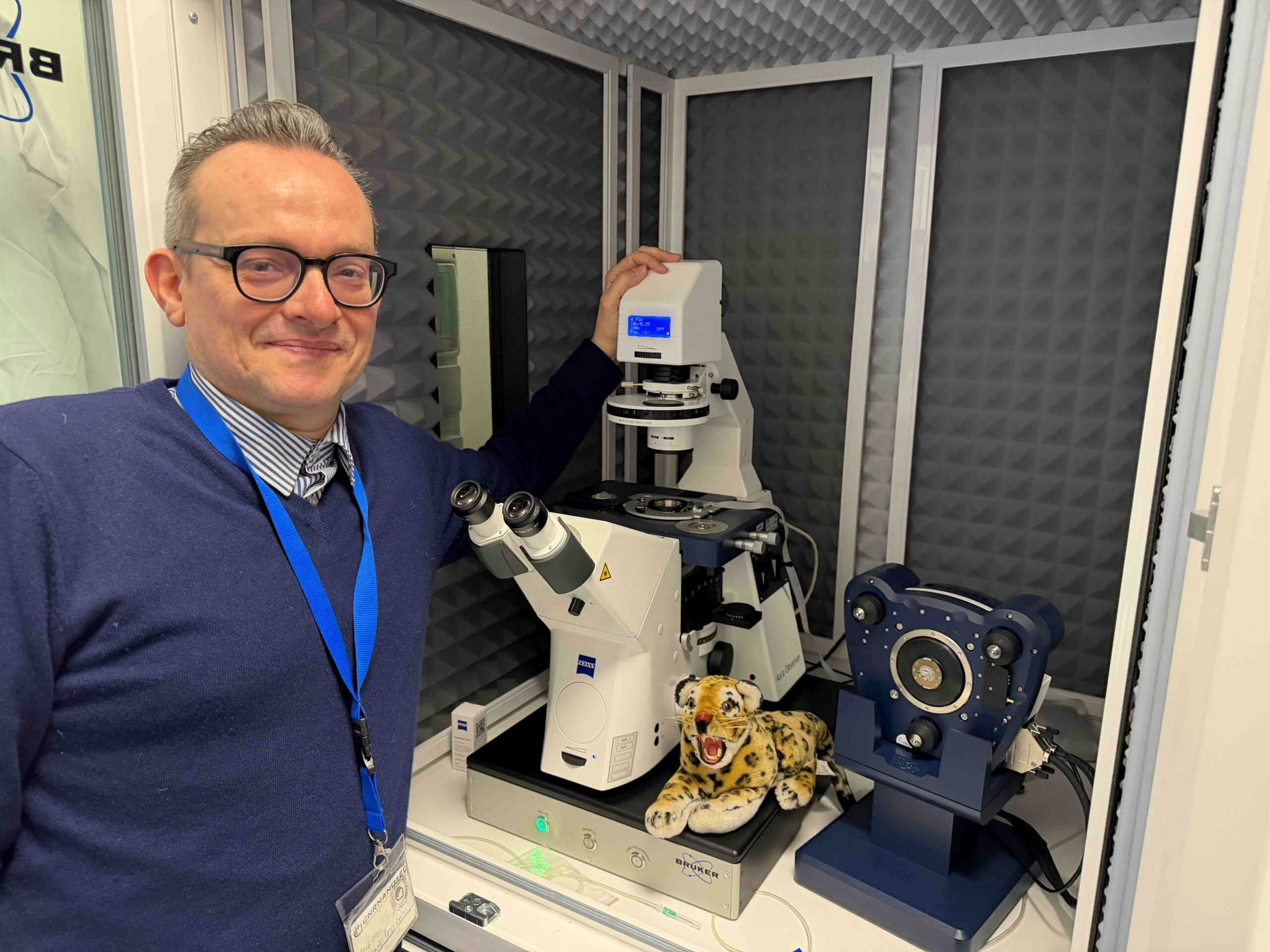
Leporatti Stefano
Prof. Stefano Leporatti, PhD, received his Master Degree in Physics at University of Genoa and obtained in 1999 his PhD in Solid State Physics at Max Planck Institute of Colloids and Interface Science with Prof. Dr. Helmuth Mohwald. From 2001 to 2006, he has been Research Scientist at the Institute of Medical Physics & Biophysics, Universität Leipzig, Leipzig (Germany). From 2006 to 2008 he has been Senior Researcher at the National Nanotechnology Laboratory (NNL) of CNR-INFM in Lecce, Italy (NanoBioMolecular Division of Prof. R. Rinaldi) and, since 2008, he is there NanoCarriers and BioMechanics Group Leader. From 2015 he joined CNR Institute of Nanotechnology in Lecce @ University Campus Ecotekne as CNR Senior Researcher ( since end 2018 as permanent Research Staff). Since middle of October 2020 is CNR Research Director @ CNR Institute of Nanotechnology in Lecce. S.L. published 270 + publications (140+ in Peer Reviewed papers, 4 book chapters and 4 invited Review) on biophysical nanostructures. Stefano Leporatti was among pioneers in Italy in the Scanning Force Microscopy (SFM) and among pioneers of the polyelectrolyte layer-by-layer (LbL) assembly of micro- and nanocapsules.
Leporatti Stefano
Prof. Stefano Leporatti, PhD, received his Master Degree in Physics at University of Genoa and obtained in 1999 his PhD in Solid State Physics at Max Planck Institute of Colloids and Interface Science with Prof. Dr. Helmuth Mohwald. From 2001 to 2006, he has been Research Scientist at the Institute of Medical Physics & Biophysics, Universität Leipzig, Leipzig (Germany). From 2006 to 2008 he has been Senior Researcher at the National Nanotechnology Laboratory (NNL) of CNR-INFM in Lecce, Italy (NanoBioMolecular Division of Prof. R. Rinaldi) and, since 2008, he is there NanoCarriers and BioMechanics Group Leader. From 2015 he joined CNR Institute of Nanotechnology in Lecce @ University Campus Ecotekne as CNR Senior Researcher ( since end 2018 as permanent Research Staff). Since middle of October 2020 is CNR Research Director @ CNR Institute of Nanotechnology in Lecce. S.L. published 270 + publications (140+ in Peer Reviewed papers, 4 book chapters and 4 invited Review) on biophysical nanostructures. Stefano Leporatti was among pioneers in Italy in the Scanning Force Microscopy (SFM) and among pioneers of the polyelectrolyte layer-by-layer (LbL) assembly of micro- and nanocapsules.

Maiorano Gabriele
CV loading..
Malerba Francesca
Francesca Malerba, PhD, is a protein biochemist with expertise in biomarker discovery for neurodegenerative diseases. Her research focuses on developing and validating innovative assays for fluid biomarkers, with a particular interest in proNGF/NGF and their role in Alzheimer’s and related disorders. She has contributed to the establishment of a patented immunoassay for proNGF in cerebrospinal fluid, demonstrating its potential to improve diagnostic accuracy. Beyond biomarker validation, she has also worked on the development of NGF-based therapeutics, exploring applications in neurology and ophthalmology. Her scientific career is marked by interdisciplinary collaborations and a translational perspective, aiming to connect basic science with clinical needs. In addition to her research, she is active in science communication, promoting dissemination events and contributing to publications such as books, brochures, and comics for the general public.
Malerba Francesca
Francesca Malerba, PhD, is a protein biochemist with expertise in biomarker discovery for neurodegenerative diseases. Her research focuses on developing and validating innovative assays for fluid biomarkers, with a particular interest in proNGF/NGF and their role in Alzheimer’s and related disorders. She has contributed to the establishment of a patented immunoassay for proNGF in cerebrospinal fluid, demonstrating its potential to improve diagnostic accuracy. Beyond biomarker validation, she has also worked on the development of NGF-based therapeutics, exploring applications in neurology and ophthalmology. Her scientific career is marked by interdisciplinary collaborations and a translational perspective, aiming to connect basic science with clinical needs. In addition to her research, she is active in science communication, promoting dissemination events and contributing to publications such as books, brochures, and comics for the general public.
Migliaccio Anna Rita
Dr. Migliaccio holds degrees in Biological Sciences and in Natural Science from the University of Naples, Naples – Italy and has been trained at serious prestigious institutions such as the TNO Institute for Radiobiological Research, Rijswijk – The Netherlands, and the Department of Hematology, University of Washington – Seattle, WA.
She has been: Co-director of the Hematopoietic Growth Factor laboratory of the New Blood Center – New York, NY; Director for Research in Transfusion Medicine, Istituto Superiore Sanità – Rome, Italy; Professor of Medicine at the Ichan School of Medicine at Mount Sinai – Mount Sinai, New York, NY; “Chiara Fama” Professor of Istology and Embryology, Alma Mater University of Bologna – Bologna, Italy.
She currently holds a joint position as Senior Investigator of the Altius Institute for Biomedical Sciences – Seattle, WA.
Dr. Migliaccio is internationally recognized for her work in experimental hematology on the mechanisms that regulate fate decisions of the hematopoietic stem cells and how these mechanisms are altered in congenital and acquired diseases. Her laboratory made seminal discoveries on the changes in the property of the hematopoietic stem cells during ontogenesis and aging that pioneered studies on cord blood as a source of hematopoietic stem cells for transplantation and on the pathobiology of hemoglobinopathies and myeloproliferative disorders.
Dr. Migliaccio serves as Associated Editor/Editor in chief of several scientific journals and is member of relevant national (NIH) and international (European Community) study sections.
Dr. Migliaccio has published over 215 scientific papers, H-index = 43 and 12,366 total citations (Scopus 2025).
Migliaccio Anna Rita
Dr. Migliaccio holds degrees in Biological Sciences and in Natural Science from the University of Naples, Naples – Italy and has been trained at serious prestigious institutions such as the TNO Institute for Radiobiological Research, Rijswijk – The Netherlands, and the Department of Hematology, University of Washington – Seattle, WA.
She has been: Co-director of the Hematopoietic Growth Factor laboratory of the New Blood Center – New York, NY; Director for Research in Transfusion Medicine, Istituto Superiore Sanità – Rome, Italy; Professor of Medicine at the Ichan School of Medicine at Mount Sinai – Mount Sinai, New York, NY; “Chiara Fama” Professor of Istology and Embryology, Alma Mater University of Bologna – Bologna, Italy.
She currently holds a joint position as Senior Investigator of the Altius Institute for Biomedical Sciences – Seattle, WA.
Dr. Migliaccio is internationally recognized for her work in experimental hematology on the mechanisms that regulate fate decisions of the hematopoietic stem cells and how these mechanisms are altered in congenital and acquired diseases. Her laboratory made seminal discoveries on the changes in the property of the hematopoietic stem cells during ontogenesis and aging that pioneered studies on cord blood as a source of hematopoietic stem cells for transplantation and on the pathobiology of hemoglobinopathies and myeloproliferative disorders.
Dr. Migliaccio serves as Associated Editor/Editor in chief of several scientific journals and is member of relevant national (NIH) and international (European Community) study sections.
Dr. Migliaccio has published over 215 scientific papers, H-index = 43 and 12,366 total citations (Scopus 2025).
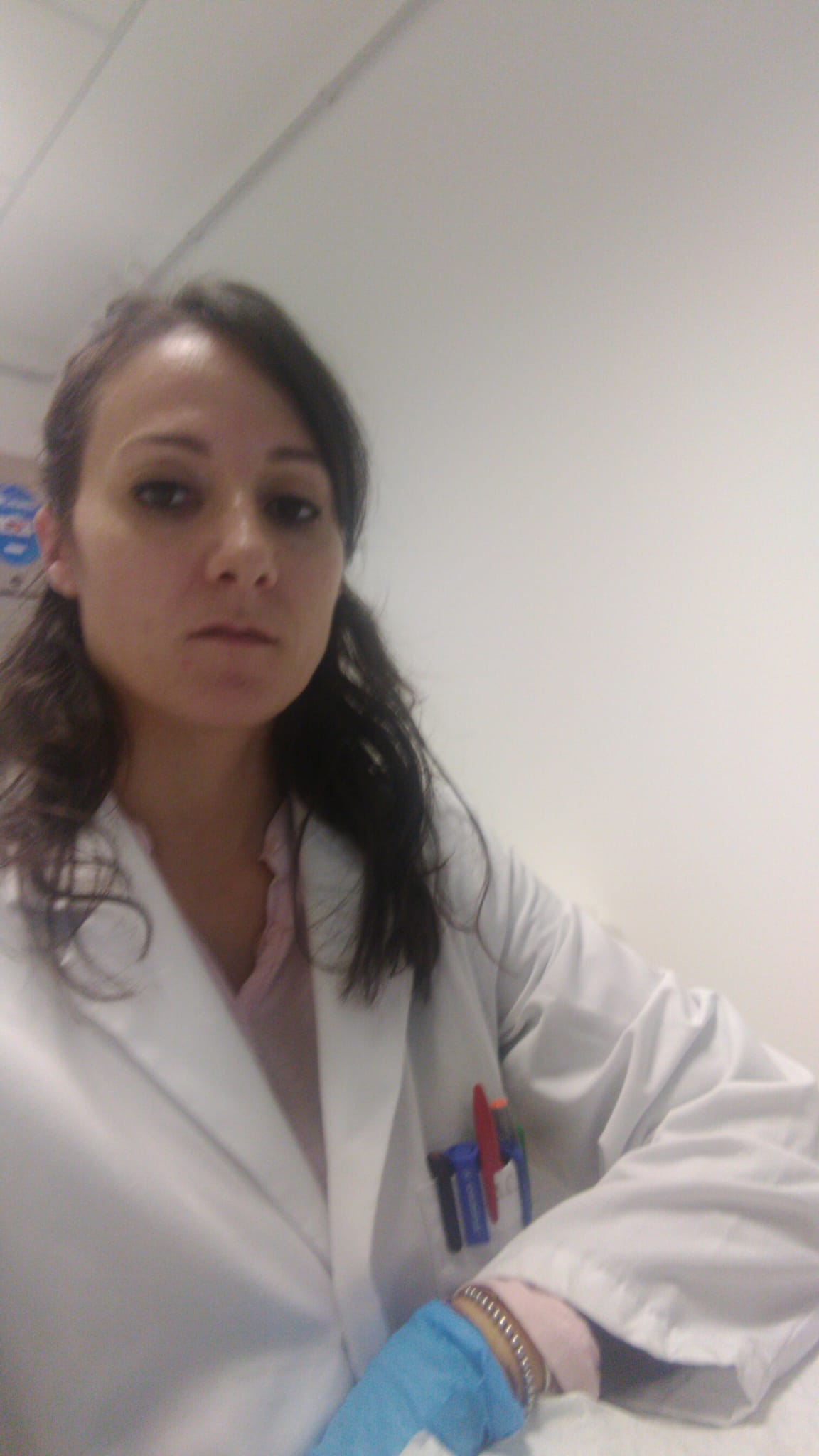
Palamà Ilaria Elena
Ilaria Elena Palamà is a senior permanent researcher at CNR-NANOTEC in Lecce, with several years’ research experience in nanotechnology with an emphasis on Nanoparticles (NPs) for gene/drug delivery in cancer. She received a Master's Degree in Medical Biotechnology and Molecular Medicine from the University of Bari (2008) and a PhD in Smart System and Technology-Nanoscience, with honours, from Salento University (Lecce, 2012). For her research activity, she has been awarded with several national and international prizes. She has participated in active collaborations with other local, national and international research groups.
Palamà Ilaria Elena
Ilaria Elena Palamà is a senior permanent researcher at CNR-NANOTEC in Lecce, with several years’ research experience in nanotechnology with an emphasis on Nanoparticles (NPs) for gene/drug delivery in cancer. She received a Master's Degree in Medical Biotechnology and Molecular Medicine from the University of Bari (2008) and a PhD in Smart System and Technology-Nanoscience, with honours, from Salento University (Lecce, 2012). For her research activity, she has been awarded with several national and international prizes. She has participated in active collaborations with other local, national and international research groups.
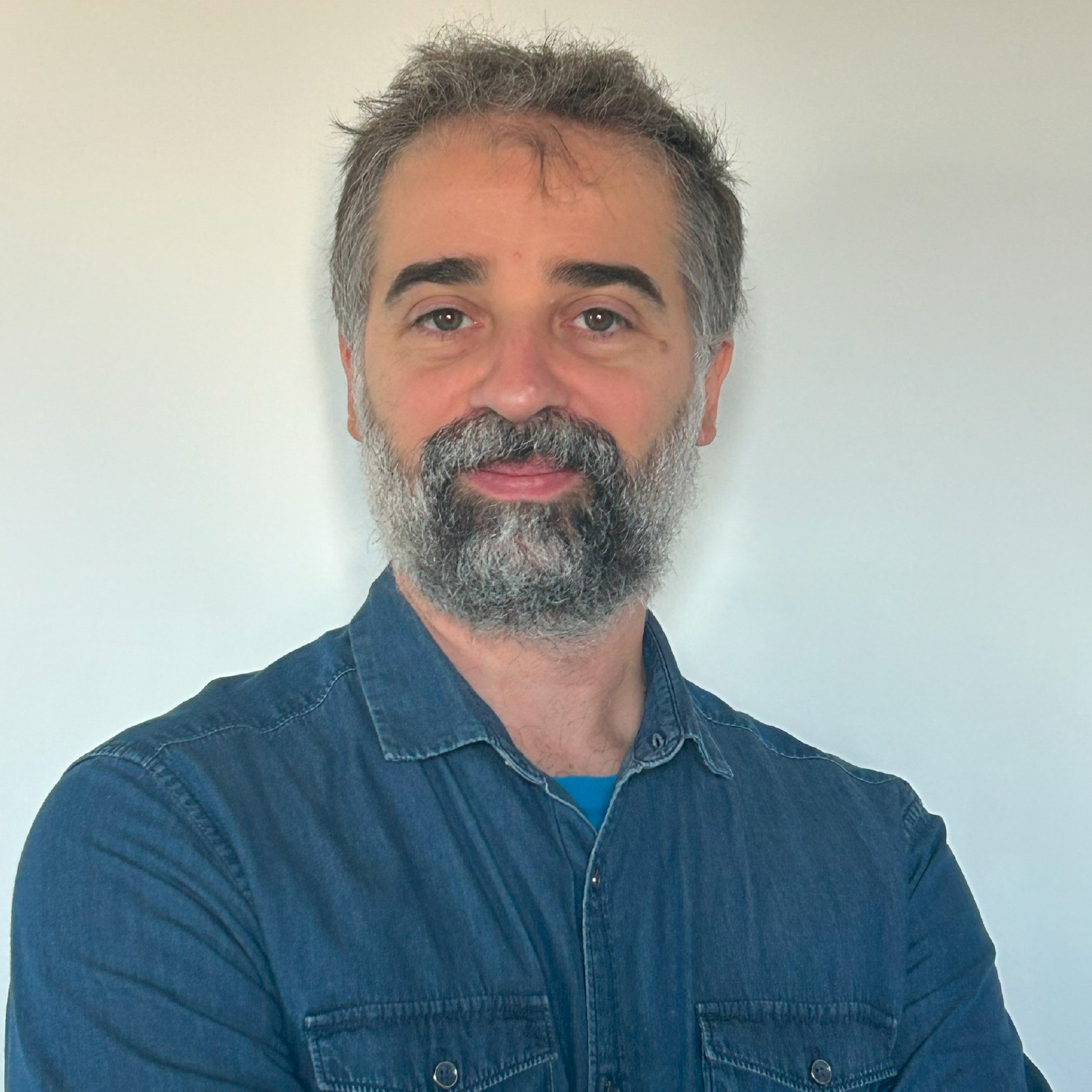
Polini Alessandro
Alessandro Polini is a Researcher at the Institute of Nanotechnology CNR-NANOTEC, IT. He has wide experience in the field of biomaterials for tissue engineering, manufacturing and design of Organ-on-a-chip and LoC systems, materials sciences and microfabrication. He has carried out research in these fields both in Italy and abroad (Lawrence Berkeley National Lab and Harvard Medical School in US, Radboud University in the Netherlands), supervising several PhD and Master students. He won numerous national and international awards and honors, founded two start-up companies (SM&T S.r.l. and AI-TWIN S.r.l.) focused on innovative biomaterials and organ-on-chip, respectively, has been involved in numerous EU and national projects. His research has been covered by numerous national and international newspapers, magazines and TV broadcasters.
Polini Alessandro
Alessandro Polini is a Researcher at the Institute of Nanotechnology CNR-NANOTEC, IT. He has wide experience in the field of biomaterials for tissue engineering, manufacturing and design of Organ-on-a-chip and LoC systems, materials sciences and microfabrication. He has carried out research in these fields both in Italy and abroad (Lawrence Berkeley National Lab and Harvard Medical School in US, Radboud University in the Netherlands), supervising several PhD and Master students. He won numerous national and international awards and honors, founded two start-up companies (SM&T S.r.l. and AI-TWIN S.r.l.) focused on innovative biomaterials and organ-on-chip, respectively, has been involved in numerous EU and national projects. His research has been covered by numerous national and international newspapers, magazines and TV broadcasters.
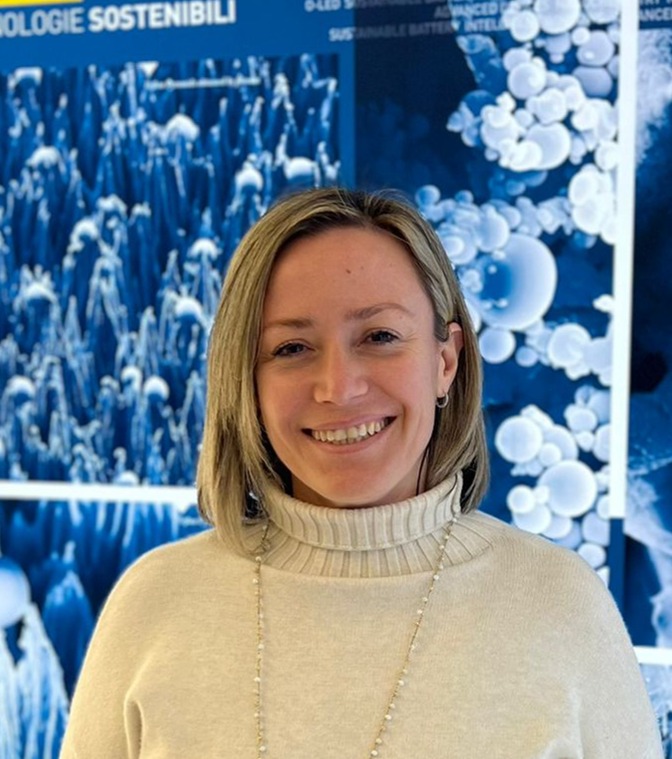
Primiceri Elisabetta
Elisabetta Primiceri (1982) received her master degree (magna cum laude) in Industrial and Molecular Biotechnology in 2006 at University of Bologna and in 2011 she finished her PhD in “Interdisciplinary Science and Technology” at University of Salento, Lecce – Italy, with thesis entitled “Cell-Chip: new tools for cell biology”. Since 2011 she works as a post-doc researcher at Consiglio Nazionale delle Ricerche (CNR) in Lecce and currently she is senior researcher at CNR Institute of Nanotechnology (CNR-Nanotec). Her activities are focused on the development of biosensors (expecially electrochemical and plasmonic detection) and new materials for sensing applications. She is also focused on the development of sensing platforms for cell biology. Her skills include microfabrication techniques (photolithography and soft lithography), electrochemical measurements, electrosinthesys of polymers. She gained also experience in cell culture and cell biology. She is currently the PI of BIO-TEST PNRR Project funded by Health Ministry.
Primiceri Elisabetta
Elisabetta Primiceri (1982) received her master degree (magna cum laude) in Industrial and Molecular Biotechnology in 2006 at University of Bologna and in 2011 she finished her PhD in “Interdisciplinary Science and Technology” at University of Salento, Lecce – Italy, with thesis entitled “Cell-Chip: new tools for cell biology”. Since 2011 she works as a post-doc researcher at Consiglio Nazionale delle Ricerche (CNR) in Lecce and currently she is senior researcher at CNR Institute of Nanotechnology (CNR-Nanotec). Her activities are focused on the development of biosensors (expecially electrochemical and plasmonic detection) and new materials for sensing applications. She is also focused on the development of sensing platforms for cell biology. Her skills include microfabrication techniques (photolithography and soft lithography), electrochemical measurements, electrosinthesys of polymers. She gained also experience in cell culture and cell biology. She is currently the PI of BIO-TEST PNRR Project funded by Health Ministry.
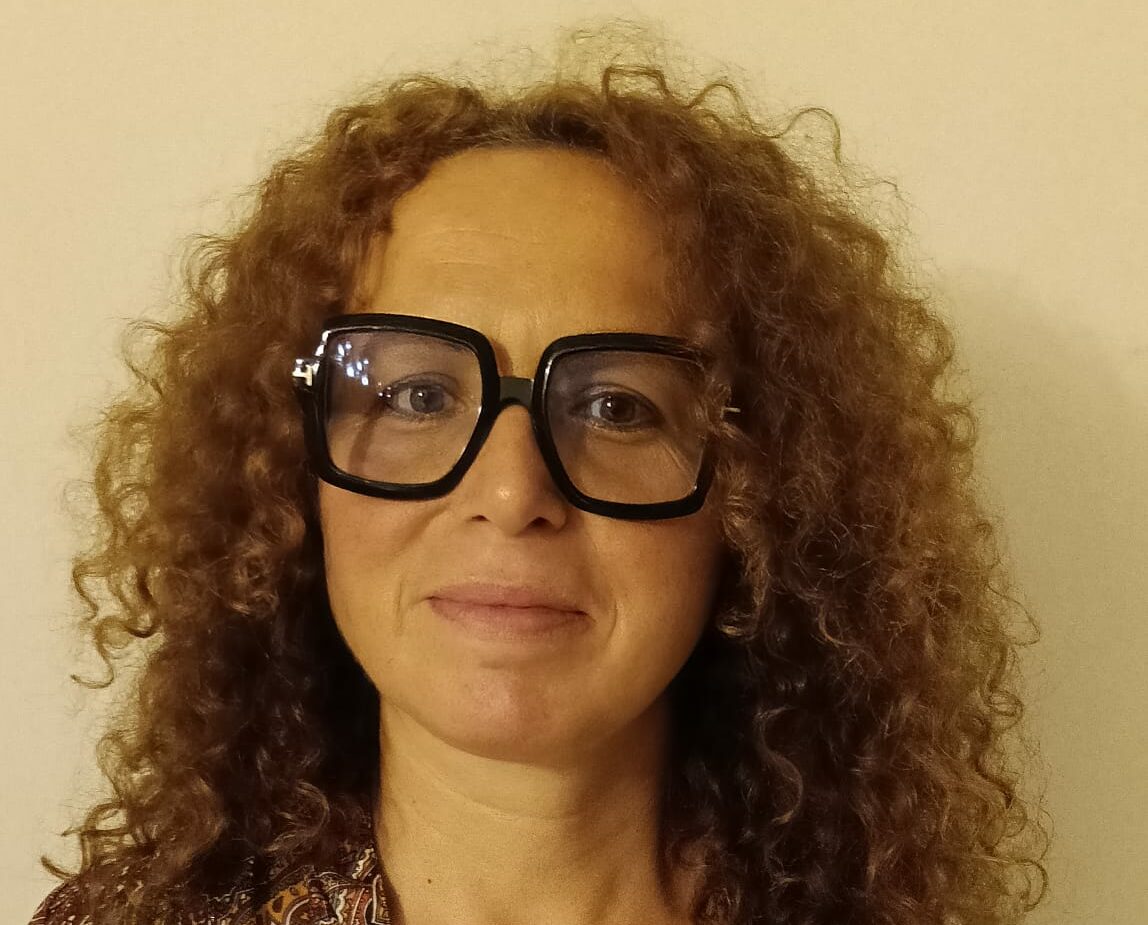
Quarta Alessandra
CV loading..
Quattrini Angelo
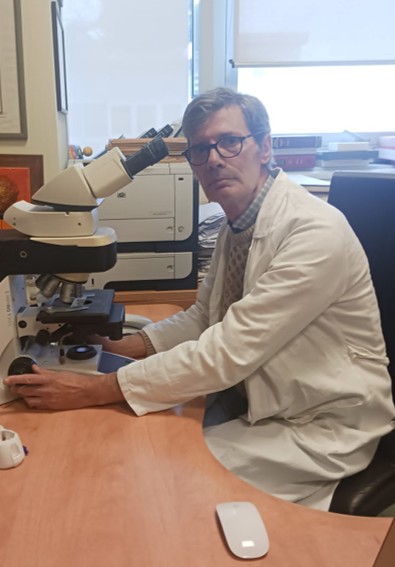
Dr. Quattrini served at San Raffaele Hospital for 30 years as a neurologist and neuropathologist. He was trained as a neuropathologist first with Dr. Nemni at San Raffaele Hospital, and later with Prof. Hays and Latov at Columbia University (1990-1991). He became an expert in the pathological aspects of human neuropathy and motor neuron disease. He contributed to building the Nerve Biopsy Service at San Raffaele Hospital. Since 2001, he has been its Director. He pioneered the use of motor nerve biopsies for the diagnosis of motor neuron disease. Since 1993, he has developed an interest in experimental models of central and peripheral nervous system disorders. His main scientific contributions are in the fields of motor neuron disease, neuropathies, and nerve regeneration. He is the author of 220 papers, H-index 59, 12,000 citations (Scopus).
Quattrini Angelo
Dr. Quattrini served at San Raffaele Hospital for 30 years as a neurologist and neuropathologist. He was trained as a neuropathologist first with Dr. Nemni at San Raffaele Hospital, and later with Prof. Hays and Latov at Columbia University (1990-1991). He became an expert in the pathological aspects of human neuropathy and motor neuron disease. He contributed to building the Nerve Biopsy Service at San Raffaele Hospital. Since 2001, he has been its Director. He pioneered the use of motor nerve biopsies for the diagnosis of motor neuron disease. Since 1993, he has developed an interest in experimental models of central and peripheral nervous system disorders. His main scientific contributions are in the fields of motor neuron disease, neuropathies, and nerve regeneration. He is the author of 220 papers, H-index 59, 12,000 citations (Scopus).

Rizzo Riccardo
Dr. Riccardo Rizzo (1984) received his Master Degree in Industrial Biotechnology (Summa cum Laude) in 2008 from the University of Salento, Lecce, Italy. He began his first scientific experience in 2009 at the Department of Cell Biology and Oncology of Mario Negri Sud, before moving to Naples at the Telethon Institute of Genetics and Medicine (TIGEM), where he obtained his PhD in Life and Biomolecular Sciences within the Open University (UK) doctoral programme in 2014. From 2014 to 2020 he carried out postdoctoral research at the Institute of Protein Biochemistry (IBP-CNR) and subsequently at the Institute of Biochemistry and Cell Biology (IBBC-CNR), Naples.
In 2020 he joined the Institute of Nanotechnology of CNR (CNR NANOTEC, Lecce, Italy) as a permanent Researcher. Since 2023 he holds the position of Senior Researcher and leads the Membrane Trafficking Laboratory as Group Leader. During his career he has made major contributions to cell biology, establishing a new paradigm in intracellular trafficking and oncogenesis, and more recently demonstrating that tumor tissue stiffness is not a mere passive consequence of disease, but an active signal that cells sense and translate into increased secretion of pro-tumorigenic proteins, identifying for the first time the Golgi apparatus as a bona fide mechanical sensor. His technical expertise spans Cell Biology, Biochemistry, Cell Signaling, advanced imaging (Confocal, Super-resolution and Electron Microscopy), lipid metabolic labelling and analysis, and 3D cell culture systems for preclinical tumor microenvironment modelling.
Dr. Rizzo is Principal Investigator of several competitively funded projects, including the ongoing ACT4 project (PN RIC 2021-2027, EU – Next Generation EU/MUR), and recently concluded as PI the TASER (PRIN 2022), ROLEX (PRIN 2022), INFACT (PNRR) and MYCOMED (PRIN 2020) projects. His collaboration with AIRC began in 2014 with a FIRC fellowship, and his project RESTORE, aimed at translating discoveries on Golgi mechanosensing into a therapeutic strategy for pancreatic cancer, has recently been funded by AIRC within the Southern Italy Scholars (SIS) 2025 programme.
His scientific work has been recognized with several awards, including the Castrum Minervae Prize – XIX Edition (2025), the Outstanding Presentation Prize (F1000) at the EMBO Workshop 2016, and the Best Presentation Award at the International Ceramide Conference and Sphingolipid Club (iCC/SLC 2015), among others.
Rizzo Riccardo
Dr. Riccardo Rizzo (1984) received his Master Degree in Industrial Biotechnology (Summa cum Laude) in 2008 from the University of Salento, Lecce, Italy. He began his first scientific experience in 2009 at the Department of Cell Biology and Oncology of Mario Negri Sud, before moving to Naples at the Telethon Institute of Genetics and Medicine (TIGEM), where he obtained his PhD in Life and Biomolecular Sciences within the Open University (UK) doctoral programme in 2014. From 2014 to 2020 he carried out postdoctoral research at the Institute of Protein Biochemistry (IBP-CNR) and subsequently at the Institute of Biochemistry and Cell Biology (IBBC-CNR), Naples.
In 2020 he joined the Institute of Nanotechnology of CNR (CNR NANOTEC, Lecce, Italy) as a permanent Researcher. Since 2023 he holds the position of Senior Researcher and leads the Membrane Trafficking Laboratory as Group Leader. During his career he has made major contributions to cell biology, establishing a new paradigm in intracellular trafficking and oncogenesis, and more recently demonstrating that tumor tissue stiffness is not a mere passive consequence of disease, but an active signal that cells sense and translate into increased secretion of pro-tumorigenic proteins, identifying for the first time the Golgi apparatus as a bona fide mechanical sensor. His technical expertise spans Cell Biology, Biochemistry, Cell Signaling, advanced imaging (Confocal, Super-resolution and Electron Microscopy), lipid metabolic labelling and analysis, and 3D cell culture systems for preclinical tumor microenvironment modelling.
Dr. Rizzo is Principal Investigator of several competitively funded projects, including the ongoing ACT4 project (PN RIC 2021-2027, EU – Next Generation EU/MUR), and recently concluded as PI the TASER (PRIN 2022), ROLEX (PRIN 2022), INFACT (PNRR) and MYCOMED (PRIN 2020) projects. His collaboration with AIRC began in 2014 with a FIRC fellowship, and his project RESTORE, aimed at translating discoveries on Golgi mechanosensing into a therapeutic strategy for pancreatic cancer, has recently been funded by AIRC within the Southern Italy Scholars (SIS) 2025 programme.
His scientific work has been recognized with several awards, including the Castrum Minervae Prize – XIX Edition (2025), the Outstanding Presentation Prize (F1000) at the EMBO Workshop 2016, and the Best Presentation Award at the International Ceramide Conference and Sphingolipid Club (iCC/SLC 2015), among others.
Romano Alessandro
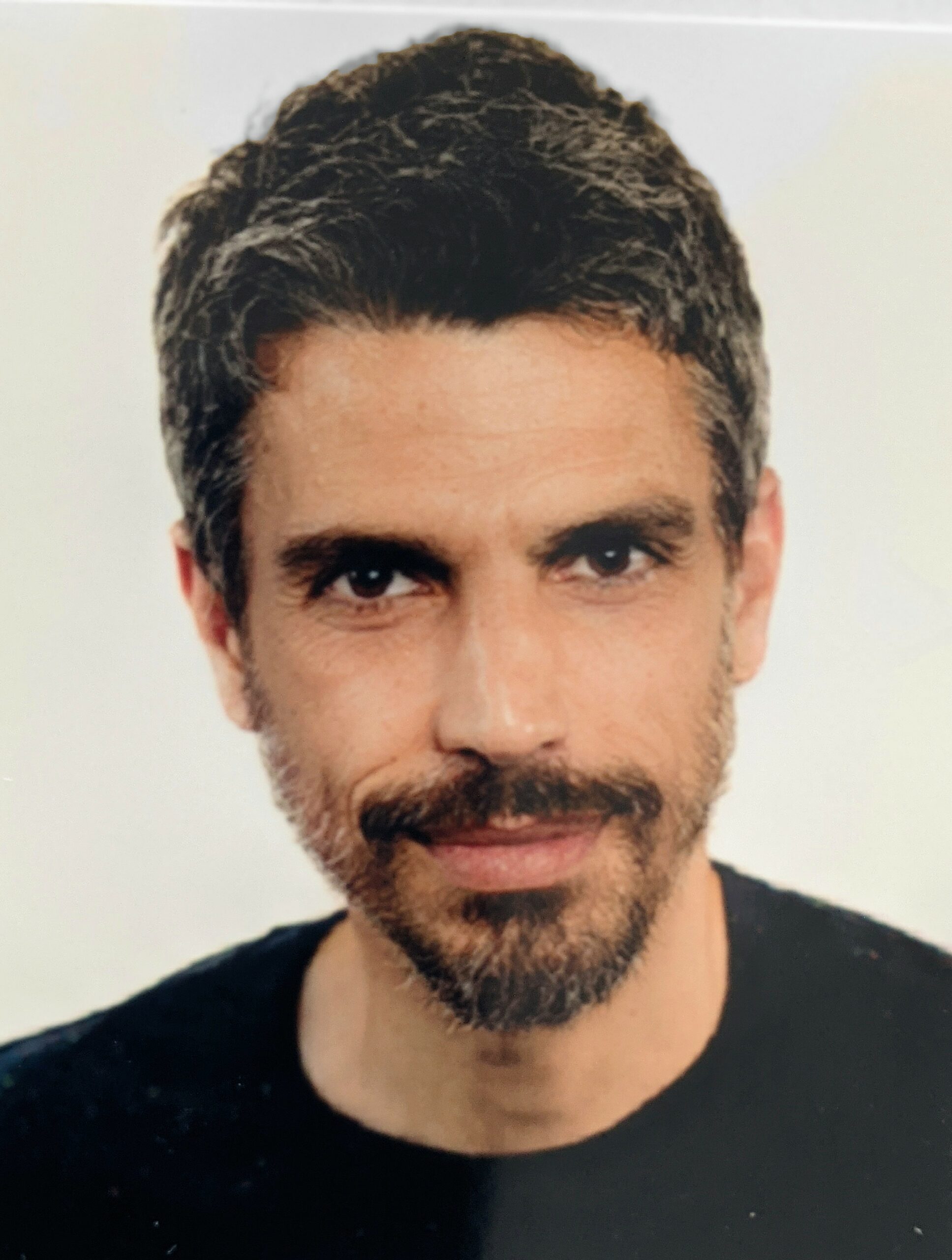
Alessandro Romano is an Associate Professor of Physiology at Link Campus University (Rome, Italy) and a Principal Investigator at the San Raffaele Scientific Institute (Milan). He obtained a Ph.D. in Biology and Biotechnologies from the University of Lecce and has held research positions at the University of Salento and at the San Raffaele Scientific Institute. Since 2024, he has served as an Associate Professor of Physiology at Link Campus University. His research focuses on the cellular and molecular mechanisms underlying neuromuscular function and neurodegenerative diseases, with particular emphasis on motor unit physiology and extracellular vesicle-mediated intercellular communication. He adopts a multidisciplinary approach that integrates physiology, molecular biology, biochemistry, genetics, and bioinformatics, using in vitro systems (including induced pluripotent stem cells and organ-on-chip platforms), animal models, and clinical data. Prof. Romano has been actively involved in competitive research funding and currently coordinates a joint Link Campus University-CNR Nanotec initiative in nanobiotechnology for life sciences and human health. His work has contributed to the development of advanced in vitro models, lab-on-chip technologies, and nanobiotechnological approaches for the study and diagnosis of neurodegenerative disorders. He serves as editor and reviewer for several international journals. He has authored more than 50 peer-reviewed articles in international journals on neurodegeneration, extracellular vesicles, biomaterials, and molecular physiology.
Romano Alessandro
Alessandro Romano is an Associate Professor of Physiology at Link Campus University (Rome, Italy) and a Principal Investigator at the San Raffaele Scientific Institute (Milan). He obtained a Ph.D. in Biology and Biotechnologies from the University of Lecce and has held research positions at the University of Salento and at the San Raffaele Scientific Institute. Since 2024, he has served as an Associate Professor of Physiology at Link Campus University. His research focuses on the cellular and molecular mechanisms underlying neuromuscular function and neurodegenerative diseases, with particular emphasis on motor unit physiology and extracellular vesicle-mediated intercellular communication. He adopts a multidisciplinary approach that integrates physiology, molecular biology, biochemistry, genetics, and bioinformatics, using in vitro systems (including induced pluripotent stem cells and organ-on-chip platforms), animal models, and clinical data. Prof. Romano has been actively involved in competitive research funding and currently coordinates a joint Link Campus University-CNR Nanotec initiative in nanobiotechnology for life sciences and human health. His work has contributed to the development of advanced in vitro models, lab-on-chip technologies, and nanobiotechnological approaches for the study and diagnosis of neurodegenerative disorders. He serves as editor and reviewer for several international journals. He has authored more than 50 peer-reviewed articles in international journals on neurodegeneration, extracellular vesicles, biomaterials, and molecular physiology.

Scalera Francesca
Francesca Scalera is a Researcher at the Institute of Nanotechnology CNR-NANOTEC, Italy. Her multidisciplinary research focuses on bio-based materials engineering, combining the design of naturally derived systems based on collagen, chitosan and hydroxyapatite with circular-economy approaches and waste valorization. Her work addresses applications in musculoskeletal tissue engineering and sustainable agri-food technologies.
During her PhD in Materials and Structural Engineering at the University of Salento, she worked on scaffolds for bone and cartilage tissue engineering. Since then, she has developed polymeric, ceramic and hybrid biomaterials for regenerative medicine, as well as matrices and nanoparticles from natural waste sources for agri-food applications. She is co-inventor of two patents on biomimetic bone substitutes and composite scaffolds for tissue repair and contributed to two start-up initiatives focused on custom-made bone substitutes and sustainable chitosan production. She has participated in several national and international research projects, recently serving as Research Unit Leader for the CNR unit in the PRIN 2022 CLEOPATRA project and currently serving as Research Unit Leader in an INAIL BRIC-funded project on controlled-release bio-based nanoparticles designed according to a Safe-by-Design approach. Within PNC FIT4MEDROB project, she is also involved in the development of biohybrid interfaces for soft-tissue integration with percutaneous devices. Her research has resulted in more than 50 peer-reviewed publications and technology-transfer activities in innovative biomaterials.
Scalera Francesca
Francesca Scalera is a Researcher at the Institute of Nanotechnology CNR-NANOTEC, Italy. Her multidisciplinary research focuses on bio-based materials engineering, combining the design of naturally derived systems based on collagen, chitosan and hydroxyapatite with circular-economy approaches and waste valorization. Her work addresses applications in musculoskeletal tissue engineering and sustainable agri-food technologies.
During her PhD in Materials and Structural Engineering at the University of Salento, she worked on scaffolds for bone and cartilage tissue engineering. Since then, she has developed polymeric, ceramic and hybrid biomaterials for regenerative medicine, as well as matrices and nanoparticles from natural waste sources for agri-food applications. She is co-inventor of two patents on biomimetic bone substitutes and composite scaffolds for tissue repair and contributed to two start-up initiatives focused on custom-made bone substitutes and sustainable chitosan production. She has participated in several national and international research projects, recently serving as Research Unit Leader for the CNR unit in the PRIN 2022 CLEOPATRA project and currently serving as Research Unit Leader in an INAIL BRIC-funded project on controlled-release bio-based nanoparticles designed according to a Safe-by-Design approach. Within PNC FIT4MEDROB project, she is also involved in the development of biohybrid interfaces for soft-tissue integration with percutaneous devices. Her research has resulted in more than 50 peer-reviewed publications and technology-transfer activities in innovative biomaterials.
Simeone Daniela
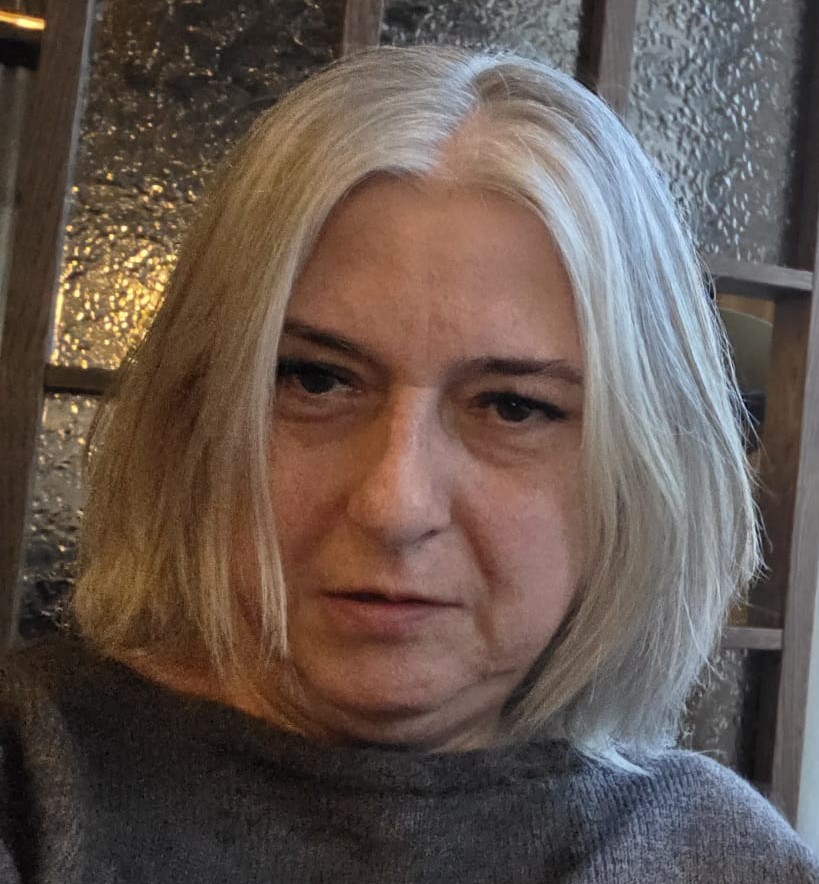
Daniela Simeone is an accomplished physicist and research scientist boasting over 15 years of distinguished tenure in advanced materials science, micro/nanofabrication, and device engineering. Her research stands out for its seamless translation of quantum and solid-state physics principles into cutting-edge technological solutions for next-generation biomedical diagnostics. Driven by a robust scientific track record, her core focus lies in the structural development and optimization of ultra-high-sensitivity nanoplasmonic and electronic Point-of-Care (POC) biosensors and platforms, specifically engineered for the early-stage interception of oncology biomarkers, viral strains, and neurodegenerative pathologies directly within complex biological fluids. This research paradigm is underpinned by a profound specialization in advanced deposition techniques, with a particular mastery of Atomic Layer Deposition (ALD). This expertise enables the atomic-scale engineering of metals, ultra-thin high-dielectric constant oxides, and 2D transition metal dichalcogenides (TMDCs, such as $\text{MoS}_2$) tailored for lithography-free nano-optics and large-area biosensing frameworks.
Simeone Daniela
Daniela Simeone is an accomplished physicist and research scientist boasting over 15 years of distinguished tenure in advanced materials science, micro/nanofabrication, and device engineering. Her research stands out for its seamless translation of quantum and solid-state physics principles into cutting-edge technological solutions for next-generation biomedical diagnostics. Driven by a robust scientific track record, her core focus lies in the structural development and optimization of ultra-high-sensitivity nanoplasmonic and electronic Point-of-Care (POC) biosensors and platforms, specifically engineered for the early-stage interception of oncology biomarkers, viral strains, and neurodegenerative pathologies directly within complex biological fluids. This research paradigm is underpinned by a profound specialization in advanced deposition techniques, with a particular mastery of Atomic Layer Deposition (ALD). This expertise enables the atomic-scale engineering of metals, ultra-thin high-dielectric constant oxides, and 2D transition metal dichalcogenides (TMDCs, such as $\text{MoS}_2$) tailored for lithography-free nano-optics and large-area biosensing frameworks.
Turco Antonio
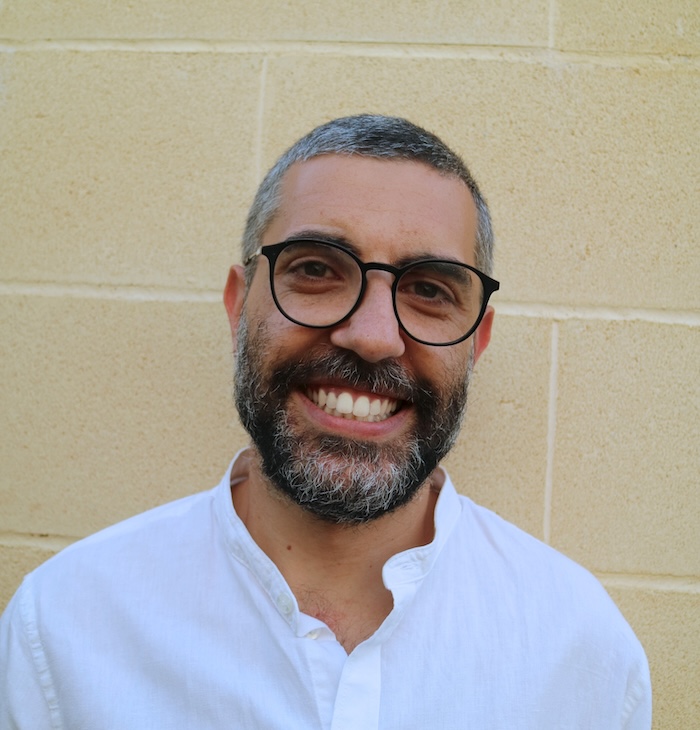
Antonio Turco is a dynamic young researcher with a steadily growing trajectory in multidisciplinary research involving advanced nanotechnology and carbon-based nanomaterials. His expertise spans several strategic areas, including biomedical applications, environmental remediation, and electrochemical sensing. Dr. Turco has consistently delivered innovative results that advance the state of the art, as demonstrated by his role as first and/or corresponding author in numerous high-impact scientific publications.
He is currently involved as Principal Investigator and co-investigator in several national and industrial research projects focused on the development and application of carbon nanomaterials and nanocomposites for sensing technologies, environmental solutions, and lab-on-chip platforms. He is also actively engaged in projects dedicated to neural tissue regeneration and the development of (multi)electrode systems for neural stimulation and recording. These roles reflect his strong commitment to scientific excellence and translational research at the interface of materials science, bioengineering, and nanotechnology.
Turco Antonio
Antonio Turco is a dynamic young researcher with a steadily growing trajectory in multidisciplinary research involving advanced nanotechnology and carbon-based nanomaterials. His expertise spans several strategic areas, including biomedical applications, environmental remediation, and electrochemical sensing. Dr. Turco has consistently delivered innovative results that advance the state of the art, as demonstrated by his role as first and/or corresponding author in numerous high-impact scientific publications.
He is currently involved as Principal Investigator and co-investigator in several national and industrial research projects focused on the development and application of carbon nanomaterials and nanocomposites for sensing technologies, environmental solutions, and lab-on-chip platforms. He is also actively engaged in projects dedicated to neural tissue regeneration and the development of (multi)electrode systems for neural stimulation and recording. These roles reflect his strong commitment to scientific excellence and translational research at the interface of materials science, bioengineering, and nanotechnology.
Vergaro Viviana
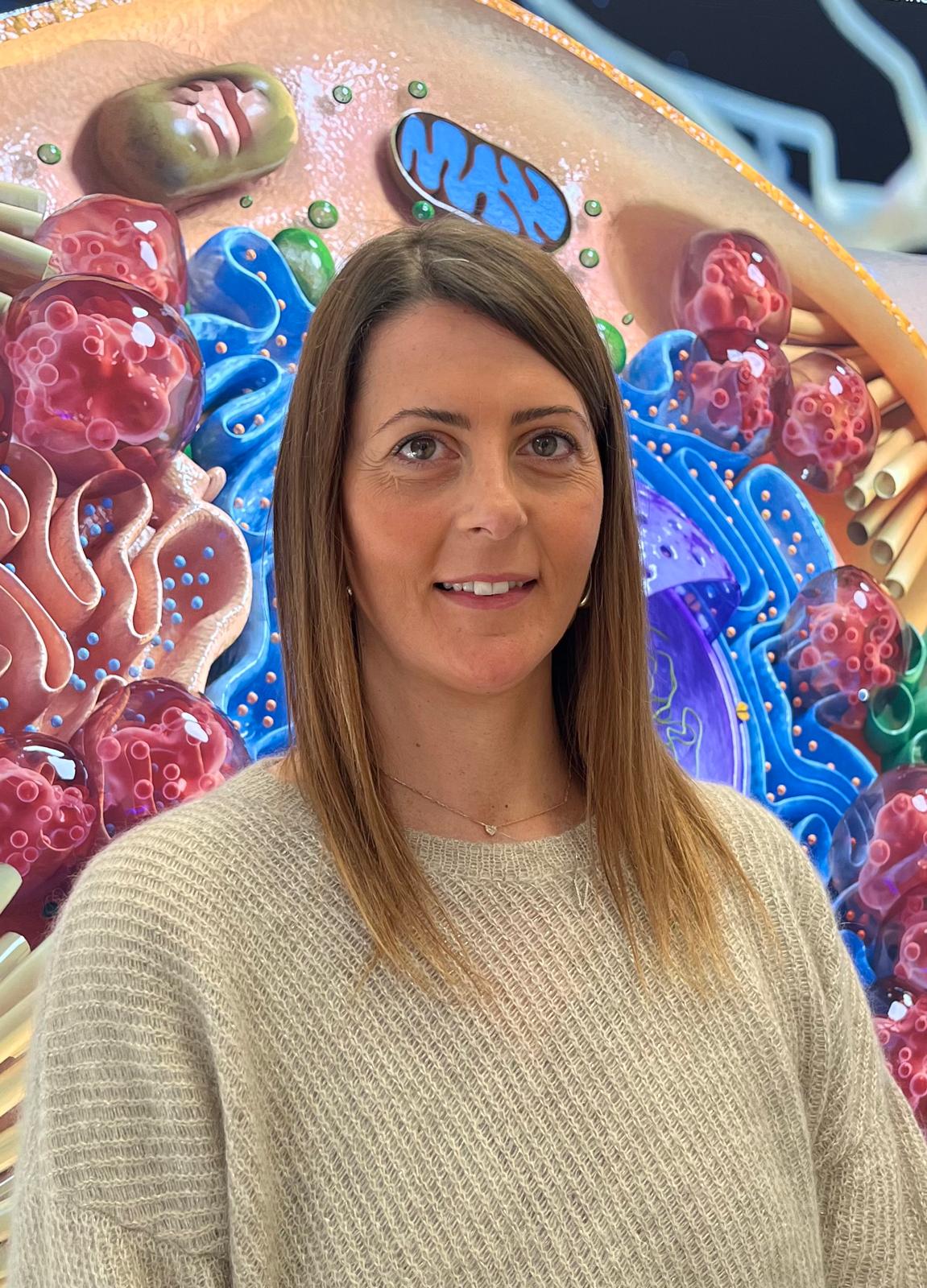
Viviana Vergaro, Ph.D. is Rtd B in Chemistry at the University of Salento, Department of Experimental Medicine. Her research activity is actuated focused on experimental activity concerning synthesis and biological validation of new organic and inorganic nanomaterials for nanomedicine and nanoagrochemicals as well as the investigation of their functional properties.
The activities include the identification of new drug designs (above all metal-based drug, as DNA intercalating agents for cancer therapy) and therapeutic strategies using inorganic or organic stimuli responsive nanoparticles for the controlled release. These studies involve both ultrastructural investigations (SEM and TEM), or chemical analysis for studying different functionalizations of materials (FTIR, XRD, etc.). and a careful evaluation of the toxicological profile and biological effect of the new materials, using in vitro 3D cellular models, to better mimic the characteristics of the tumor microenvironment in vivo.
This activity is well documented by over 40 scientific publications in peer-reviewed journals, 1 European patent and various communications at international conferences.
Vergaro Viviana
Viviana Vergaro, Ph.D. is Rtd B in Chemistry at the University of Salento, Department of Experimental Medicine. Her research activity is actuated focused on experimental activity concerning synthesis and biological validation of new organic and inorganic nanomaterials for nanomedicine and nanoagrochemicals as well as the investigation of their functional properties.
The activities include the identification of new drug designs (above all metal-based drug, as DNA intercalating agents for cancer therapy) and therapeutic strategies using inorganic or organic stimuli responsive nanoparticles for the controlled release. These studies involve both ultrastructural investigations (SEM and TEM), or chemical analysis for studying different functionalizations of materials (FTIR, XRD, etc.). and a careful evaluation of the toxicological profile and biological effect of the new materials, using in vitro 3D cellular models, to better mimic the characteristics of the tumor microenvironment in vivo.
This activity is well documented by over 40 scientific publications in peer-reviewed journals, 1 European patent and various communications at international conferences.

Autuori Isidora
Cv loading..

Baldari Clara
Dr. Clara Baldari is a post-doctoral researcher in the field of biomedical nanotechnology, with a multidisciplinary background spanning biotechnology and nanoscience. Her research focuses on the design, synthesis, and characterization of advanced nanomaterials for applications in precision medicine, cancer immunotherapy and gene delivery. She obtained her master’s degrees in biotechnology and medical biotechnology from the University of Salento and subsequently earned a PhD in Physics and Nanoscience. Throughout her career, she developed extensive expertise in nanomaterial synthesis, colloidal characterization, flow cytometry, advanced microscopy, and electron microscopy techniques. Her research experience includes an international training period at the Polish Academy of Sciences in Warsaw, where she acquired expertise in advanced fluorescence imaging techniques, such as FCS and FLIM, for the study of nanoparticle behavior and intracellular dynamics in living systems. Currently, she is involved in multidisciplinary projects focused on hybrid nanomaterials, mRNA therapeutics, and innovative gene delivery systems. She actively collaborates with national and international research groups and has presented her work at numerous scientific conferences. Her research aims to bridge nanotechnology and biomedicine to develop innovative therapeutic strategies for complex diseases.
Baldari Clara
Dr. Clara Baldari is a post-doctoral researcher in the field of biomedical nanotechnology, with a multidisciplinary background spanning biotechnology and nanoscience. Her research focuses on the design, synthesis, and characterization of advanced nanomaterials for applications in precision medicine, cancer immunotherapy and gene delivery. She obtained her master’s degrees in biotechnology and medical biotechnology from the University of Salento and subsequently earned a PhD in Physics and Nanoscience. Throughout her career, she developed extensive expertise in nanomaterial synthesis, colloidal characterization, flow cytometry, advanced microscopy, and electron microscopy techniques. Her research experience includes an international training period at the Polish Academy of Sciences in Warsaw, where she acquired expertise in advanced fluorescence imaging techniques, such as FCS and FLIM, for the study of nanoparticle behavior and intracellular dynamics in living systems. Currently, she is involved in multidisciplinary projects focused on hybrid nanomaterials, mRNA therapeutics, and innovative gene delivery systems. She actively collaborates with national and international research groups and has presented her work at numerous scientific conferences. Her research aims to bridge nanotechnology and biomedicine to develop innovative therapeutic strategies for complex diseases.
Balestra Gianluca
I hold degrees in Electronic Engineering and Physics and I am currently a PhD candidate in Physics at the University of Salento, as well as a research fellow at the National Research Council of Italy. My professional career began in engineering, where I developed a strong background in electronic design, embedded systems, and hardware–software integration. I later transitioned into scientific research, applying engineering principles to the fields of nanophotonics and plasmonics.
My research focuses on the development of advanced plasmonic sensors and integrated nanophotonic devices. I have extensive experience in the design, fabrication, and characterization of nanostructures, working in clean-room laboratory.
My research portfolio also encompasses Focused Ion Beam-based 3D Tomography aimed at characterizing tumor microenvironments.
I am skilled in numerical simulations, scientific data analysis, and software development using Python and C/C++, as well as FPGA and RFSoC-based system design. In addition, I am involved in scientific data management and FAIR data implementation, contributing to national projects aimed at improving data interoperability and standardization.
Balestra Gianluca
I hold degrees in Electronic Engineering and Physics and I am currently a PhD candidate in Physics at the University of Salento, as well as a research fellow at the National Research Council of Italy. My professional career began in engineering, where I developed a strong background in electronic design, embedded systems, and hardware–software integration. I later transitioned into scientific research, applying engineering principles to the fields of nanophotonics and plasmonics.
My research focuses on the development of advanced plasmonic sensors and integrated nanophotonic devices. I have extensive experience in the design, fabrication, and characterization of nanostructures, working in clean-room laboratory.
My research portfolio also encompasses Focused Ion Beam-based 3D Tomography aimed at characterizing tumor microenvironments.
I am skilled in numerical simulations, scientific data analysis, and software development using Python and C/C++, as well as FPGA and RFSoC-based system design. In addition, I am involved in scientific data management and FAIR data implementation, contributing to national projects aimed at improving data interoperability and standardization.
Belfiore Sofia
Cv loading..
Biscari Giuseppina
Maria Serena Chiriacò (1984) gained her master degree cum laude in Human Biology in 2008 at Università del Salento; from May 2009 to June 2012, she attained her PhD on the “Smart Systems and Technologies” course at Università del Salento, Scuola Superiore ISUFI, Lecce, at the end of which she discussed her PhD thesis entitled “Protein EIS biosensors for on-chip diagnostics”.
Currently, she works as a permanent Senior Researcher at Nanotec Lecce. She gained high-level experience in the field of Lab-On-Chip devices for on-field diagnostics. Her skills vary from the design, fabrication and applications of electrochemical sensors to microfluidics and on-chip pre-treatments of biological samples, as confirmed by the publication of valuable papers in the field. The biological applications of the developed microfluidic and sensing platforms range from diagnostic tools to study biorecognition events (antigen/antibody, cell–cell, aptamer-antigen) to the detection of allergens or toxins, to the on-chip separation and sorting of biological objects and extracellular vesicles. She also has expertise in optical, laser and soft lithography and in employing photosensitive polymeric materials for microfluidic applications. She acquired skills in the realization of tools for the analysis of extracellular vesicles and in particular their sorting and entrapment on specifically-functionalized biochip. In 2019, she has been Principal investigator in SMILE Project (H2020 – EU Attract Program) in collaboration with STMicroelectronics and Unit Responsible in a PRIN2017 Project, both dealing with the realization of on-chip diagnostic tools. Recently (2020-2023), she led a Work Package of TITAN Project (Tumor ImmunoTherApy by Nanotechnology) dealing with the integration of microfluidic and sensing tools into lab-On-Chips for high-quality CAR-T cells production. Currently, she is the PI of a PRIN2022 Project (RESOLVE – innovative platfoRm based on fiEld-flow-fractionation and Sample On-chip detection to unravel extraceLlular Vesicles hEterogeneity) in collaboration with University of Bologna and Ospedale San Raffaele.
Biscari Giuseppina
Maria Serena Chiriacò (1984) gained her master degree cum laude in Human Biology in 2008 at Università del Salento; from May 2009 to June 2012, she attained her PhD on the “Smart Systems and Technologies” course at Università del Salento, Scuola Superiore ISUFI, Lecce, at the end of which she discussed her PhD thesis entitled “Protein EIS biosensors for on-chip diagnostics”.
Currently, she works as a permanent Senior Researcher at Nanotec Lecce. She gained high-level experience in the field of Lab-On-Chip devices for on-field diagnostics. Her skills vary from the design, fabrication and applications of electrochemical sensors to microfluidics and on-chip pre-treatments of biological samples, as confirmed by the publication of valuable papers in the field. The biological applications of the developed microfluidic and sensing platforms range from diagnostic tools to study biorecognition events (antigen/antibody, cell–cell, aptamer-antigen) to the detection of allergens or toxins, to the on-chip separation and sorting of biological objects and extracellular vesicles. She also has expertise in optical, laser and soft lithography and in employing photosensitive polymeric materials for microfluidic applications. She acquired skills in the realization of tools for the analysis of extracellular vesicles and in particular their sorting and entrapment on specifically-functionalized biochip. In 2019, she has been Principal investigator in SMILE Project (H2020 – EU Attract Program) in collaboration with STMicroelectronics and Unit Responsible in a PRIN2017 Project, both dealing with the realization of on-chip diagnostic tools. Recently (2020-2023), she led a Work Package of TITAN Project (Tumor ImmunoTherApy by Nanotechnology) dealing with the integration of microfluidic and sensing tools into lab-On-Chips for high-quality CAR-T cells production. Currently, she is the PI of a PRIN2022 Project (RESOLVE – innovative platfoRm based on fiEld-flow-fractionation and Sample On-chip detection to unravel extraceLlular Vesicles hEterogeneity) in collaboration with University of Bologna and Ospedale San Raffaele.
Bisconti Francesco
CV loading..
Boncristiani Chiara
Chiara Boncristiani is an accomplished biotechnologist and molecular biologist with extensive expertise in advanced cell culture systems and genomic stability. She holds a Bachelor’s degree in Medical Biotechnology and a Master’s degree in Pharmaceutical Biotechnology from the University of Milan. Her international academic journey includes Erasmus fellowships at the University of Lleida and the University of Navarra, where she investigated embryonic brain development and the α-synuclein interactome using novel proximity biotinylation assays. In 2024, she earned her Ph.D. in Molecular Biomedicine from the University of Trieste, focusing her doctoral thesis on reversing therapy resistance in lung cancer cells by forcing the formation of RNA:DNA hybrids. She is also a licensed professional biologist in Italy.
Throughout her career, Chiara has specialized in cancer biology, neurobiology, and molecular pharmacology. Her previous research roles include a fellowship at the IRCCS National Cancer Institute of Milan studying fatty acid metabolism in HER2-positive breast carcinoma, and a postdoctoral research fellowship at the University of Trieste exploring therapeutic strategies to induce genomic instability in osteosarcoma. Her diverse technical toolkit spans molecular biology, quantitative proteomics, and both 3D tumor organoids and in vivo mouse models.
Currently, Chiara is working as a Research Fellow at the University of Salento, associated with the CNR Nanotec in Lecce. As part of the MERLIN project, she focuses on developing and analyzing 3D multicellular spheroid models of the human blood-brain barrier (BBB). Her current duties involve leveraging advanced cellular imaging, microfluidic platforms, and analytical metabolomics to identify specific biomarkers for ischemic stroke injury, bridging the gap between preclinical drug screening and human microvascular physiology.
Boncristiani Chiara
Chiara Boncristiani is an accomplished biotechnologist and molecular biologist with extensive expertise in advanced cell culture systems and genomic stability. She holds a Bachelor’s degree in Medical Biotechnology and a Master’s degree in Pharmaceutical Biotechnology from the University of Milan. Her international academic journey includes Erasmus fellowships at the University of Lleida and the University of Navarra, where she investigated embryonic brain development and the α-synuclein interactome using novel proximity biotinylation assays. In 2024, she earned her Ph.D. in Molecular Biomedicine from the University of Trieste, focusing her doctoral thesis on reversing therapy resistance in lung cancer cells by forcing the formation of RNA:DNA hybrids. She is also a licensed professional biologist in Italy.
Throughout her career, Chiara has specialized in cancer biology, neurobiology, and molecular pharmacology. Her previous research roles include a fellowship at the IRCCS National Cancer Institute of Milan studying fatty acid metabolism in HER2-positive breast carcinoma, and a postdoctoral research fellowship at the University of Trieste exploring therapeutic strategies to induce genomic instability in osteosarcoma. Her diverse technical toolkit spans molecular biology, quantitative proteomics, and both 3D tumor organoids and in vivo mouse models.
Currently, Chiara is working as a Research Fellow at the University of Salento, associated with the CNR Nanotec in Lecce. As part of the MERLIN project, she focuses on developing and analyzing 3D multicellular spheroid models of the human blood-brain barrier (BBB). Her current duties involve leveraging advanced cellular imaging, microfluidic platforms, and analytical metabolomics to identify specific biomarkers for ischemic stroke injury, bridging the gap between preclinical drug screening and human microvascular physiology.
Bove Roberta
cv loading..
Capecchi Deborah
Cv loading...
Cardace Ilaria
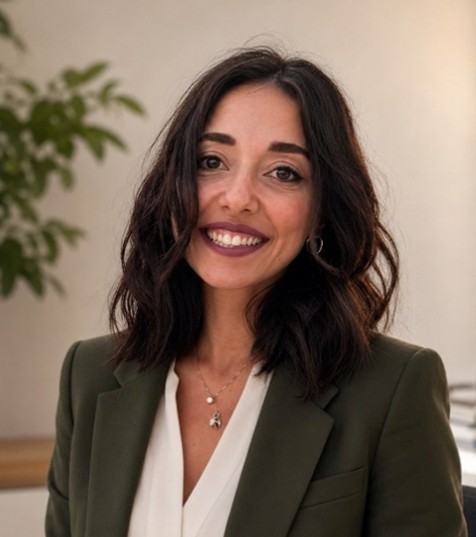
Ilaria Cardace is a post-doctoral researcher with a multidisciplinary background in biotechnology, nanotechnology, molecular biology, and optoelectronics, focused on bio-inspired photonic devices. She holds a Master’s degree in Pharmaceutical Biotechnology from the University of Bologna, with a thesis carried out during an international research experience at IRIM (Montpellier, France) on HIV-1 Tat encapsidation, contributing to a Journal of Virology publication. She later joined CNR Nanotec, working on optoelectronic devices based on biological and organic photoreceptors. Her PhD in Nanotechnology at the University of Salento focused on bio-hybrid systems using microbial rhodopsins for single-photon detection. Her research combined protein expression, purification, and reconstitution into liposomes and nanodiscs, together with azobenzene-based photoactive molecules for light-controlled modulation of membrane properties. Experimental expertise includes black lipid membrane recordings, optical and fluorescent microscopy, spectroscopy, and laser-based optoelectronic setups, as well as electrophysiology performed at King’s College London. She is currently involved in the Horizon EIC “Q-ONE” project at CNR Nanotec, developing bio-hybrid and optoelectronic devices.
Cardace Ilaria
Ilaria Cardace is a post-doctoral researcher with a multidisciplinary background in biotechnology, nanotechnology, molecular biology, and optoelectronics, focused on bio-inspired photonic devices. She holds a Master’s degree in Pharmaceutical Biotechnology from the University of Bologna, with a thesis carried out during an international research experience at IRIM (Montpellier, France) on HIV-1 Tat encapsidation, contributing to a Journal of Virology publication. She later joined CNR Nanotec, working on optoelectronic devices based on biological and organic photoreceptors. Her PhD in Nanotechnology at the University of Salento focused on bio-hybrid systems using microbial rhodopsins for single-photon detection. Her research combined protein expression, purification, and reconstitution into liposomes and nanodiscs, together with azobenzene-based photoactive molecules for light-controlled modulation of membrane properties. Experimental expertise includes black lipid membrane recordings, optical and fluorescent microscopy, spectroscopy, and laser-based optoelectronic setups, as well as electrophysiology performed at King’s College London. She is currently involved in the Horizon EIC “Q-ONE” project at CNR Nanotec, developing bio-hybrid and optoelectronic devices.
Cianciola Irene
cv loading..
Citti Cinzia
CV loading..
Clabassi Elena
Education
PhD candidate in Nanotechnology (Mar 2023 – Mar 2026)
University of Salento & NANOTEC Institute of Nanotechnology, CNR
Project: "Advanced Tools for Probing the Cellular Microenvironment: Microfluidics and Advanced
Sensing Technologies"
Supervisor: Prof. Giuseppe Gigli
Coordinator: Prof. Giuseppe Maruccio
Master's Degree in Biomedical Engineering (2020 – 2023)
Nanotechnology and Bioartificial Systems Curriculum — University Campus Bio-Medico, Rome
Thesis: "Employment of human iPS cells for the generation of in vitro models of intestinal barrier"
Bachelor's Degree in Industrial Engineering (2017 – 2020)
Biomedical Engineering Curriculum — University Campus Bio-Medico, Rome (108/110)
Research Experience
Training Internship (Aug 2022 – Feb 2023)
NANOTEC Institute, CNR — Cell culture, biological characterization, and 3D bioprinting for Master's
thesis development.
Erasmus+ Traineeship (Feb 2025 – Jun 2025)
Delft University of Technology, Dept. of Microelectronics — Design and prototyping of an
electrochemical sensing module integrated into an organ-on-chip platform; CAD design of
microfluidic devices and PCBs; silicon-based MEMS microfabrication.
Research Areas & Technical Skills
Microfluidics & Lab-on-Chip: droplet microfluidics, photolithography, soft lithography,
micro-milling
Micro and nano fabrication skills: 3D printing (Digital Light Processing (DLP), Fused Deposition Modeling
(FDM), ARBURG Plastic Freeforming (APF), Two-Photon Polymerization (2PP)) and bioprinting (pressure
assisted deposition);
Simulation & CAD skills: COMSOL Multiphysics, Autodesk Fusion 360, SolidWorks, kiCAD;
Electrochemical biosensing techniques: Cyclic voltammetry, Differential Pulse
Voltammetry, Chronoamperometry;
Publications
Clabassi E. et al., "Hybrid Plasmonic Symmetry-Protected Bound State in the Continuum
Entering the Zeptomolar Biodetection Range", Small 2025, 21, 2411827.
Siciliano G., Clabassi E. et al., "Simultaneous Electrochemical Detection of NGF and proNGF
Using Molecularly Imprinted Polymers: Toward Point-of-care Diagnosis of Alzheimer's
Disease", Advanced Healthcare Materials (accepted).
Clabassi Elena
Education
PhD candidate in Nanotechnology (Mar 2023 – Mar 2026)
University of Salento & NANOTEC Institute of Nanotechnology, CNR
Project: "Advanced Tools for Probing the Cellular Microenvironment: Microfluidics and Advanced
Sensing Technologies"
Supervisor: Prof. Giuseppe Gigli
Coordinator: Prof. Giuseppe Maruccio
Master's Degree in Biomedical Engineering (2020 – 2023)
Nanotechnology and Bioartificial Systems Curriculum — University Campus Bio-Medico, Rome
Thesis: "Employment of human iPS cells for the generation of in vitro models of intestinal barrier"
Bachelor's Degree in Industrial Engineering (2017 – 2020)
Biomedical Engineering Curriculum — University Campus Bio-Medico, Rome (108/110)
Research Experience
Training Internship (Aug 2022 – Feb 2023)
NANOTEC Institute, CNR — Cell culture, biological characterization, and 3D bioprinting for Master's
thesis development.
Erasmus+ Traineeship (Feb 2025 – Jun 2025)
Delft University of Technology, Dept. of Microelectronics — Design and prototyping of an
electrochemical sensing module integrated into an organ-on-chip platform; CAD design of
microfluidic devices and PCBs; silicon-based MEMS microfabrication.
Research Areas & Technical Skills
Microfluidics & Lab-on-Chip: droplet microfluidics, photolithography, soft lithography,
micro-milling
Micro and nano fabrication skills: 3D printing (Digital Light Processing (DLP), Fused Deposition Modeling
(FDM), ARBURG Plastic Freeforming (APF), Two-Photon Polymerization (2PP)) and bioprinting (pressure
assisted deposition);
Simulation & CAD skills: COMSOL Multiphysics, Autodesk Fusion 360, SolidWorks, kiCAD;
Electrochemical biosensing techniques: Cyclic voltammetry, Differential Pulse
Voltammetry, Chronoamperometry;
Publications
Clabassi E. et al., "Hybrid Plasmonic Symmetry-Protected Bound State in the Continuum
Entering the Zeptomolar Biodetection Range", Small 2025, 21, 2411827.
Siciliano G., Clabassi E. et al., "Simultaneous Electrochemical Detection of NGF and proNGF
Using Molecularly Imprinted Polymers: Toward Point-of-care Diagnosis of Alzheimer's
Disease", Advanced Healthcare Materials (accepted).
Corallo Gaia
Corallo Gaia
Corbezzolo Noemi
Cv loading...
Corchia Alberto
Corchia Alberto
Coricciati Chiara
Chiara Coricciati is a medical biotechnologist and researcher with a background in biomedical and nanotechnology-based approaches. She is currently a Research Fellow at Università Campus Bio-Medico di Roma and conducts research activities at the Institute of Nanotechnology - CNR Nanotec within the TecnoMED Precision Medicine Technopole in Lecce, Italy.
She received a PhD in Physics and Nanoscience cum laude from the University of Salento, where she focused on the development of advanced in vitro models, including 3D cellular models and organ-on-chip platforms, biofabrication strategies including bioprinting, and multi-scale characterization of biological systems combining molecular and biological assays with optical and electron microscopy.
She also holds a MSc in Medical Biotechnology and Nanobiotechnology cum laude and a Bachelor's degree in Biotechnology from the same institution, with research experience in proteomics and lipidomics. She further expanded her analytical background during an Erasmus traineeship at the PRISM Laboratory, University of Lille (France), specializing in high-resolution mass spectrometry (HRMS).
Her current research focuses on advanced 3D in vitro models for precision medicine, disease modelling, and translational biomedical applications. She is currently expanding her expertise in ToF-SIMS mass spectrometry imaging and chemical profiling, as well as optical and electron microscopy, applied to multi-scale characterization in precision medicine and translational research. She has co-authored peer-reviewed scientific publications and has presented her research at several conferences through oral and poster communications.
Coricciati Chiara
Chiara Coricciati is a medical biotechnologist and researcher with a background in biomedical and nanotechnology-based approaches. She is currently a Research Fellow at Università Campus Bio-Medico di Roma and conducts research activities at the Institute of Nanotechnology - CNR Nanotec within the TecnoMED Precision Medicine Technopole in Lecce, Italy.
She received a PhD in Physics and Nanoscience cum laude from the University of Salento, where she focused on the development of advanced in vitro models, including 3D cellular models and organ-on-chip platforms, biofabrication strategies including bioprinting, and multi-scale characterization of biological systems combining molecular and biological assays with optical and electron microscopy.
She also holds a MSc in Medical Biotechnology and Nanobiotechnology cum laude and a Bachelor's degree in Biotechnology from the same institution, with research experience in proteomics and lipidomics. She further expanded her analytical background during an Erasmus traineeship at the PRISM Laboratory, University of Lille (France), specializing in high-resolution mass spectrometry (HRMS).
Her current research focuses on advanced 3D in vitro models for precision medicine, disease modelling, and translational biomedical applications. She is currently expanding her expertise in ToF-SIMS mass spectrometry imaging and chemical profiling, as well as optical and electron microscopy, applied to multi-scale characterization in precision medicine and translational research. She has co-authored peer-reviewed scientific publications and has presented her research at several conferences through oral and poster communications.
Costa Marco
Marco Costa is a researcher in analytical chemistry with a strong focus on the development of advanced electrochemical sensors for environmental and biomedical applications. He holds a PhD in Biological and Environmental Sciences (Analytical Chemistry, CHIM/01) from the University of Salento, where his research centered on Green Analytical Chemistry and the design of molecularly imprinted polymer (MIP)-based sensors for the detection of emerging pollutants.
His work combines materials science, electrochemistry, and nanotechnology, with particular expertise in the synthesis of molecularly imprinted nanoparticles and their integration into high-performance sensing platforms. He has developed innovative electrochemical devices for the monitoring of contaminants in water and biological matrices, contributing to sustainable and rapid analytical solutions.
Currently, he is a research fellow at CNR Nanotec (Lecce), working on the development of electrochemical sensors within a PNRR-funded project focused on circulating biomarkers and diagnostic device innovation. He has also held research positions at the University of Salento and Wageningen Food Safety Research (Netherlands), and has been a visiting researcher at the University of Leicester (UK), where he further expanded his expertise in nanoMIP technologies.
Marco has authored multiple peer-reviewed publications in international journals and has presented his work at major conferences, including the World Congress on Biosensors. His contributions to the field have been recognized with awards, including a Best Poster Award for his work on MIP-based sensors.
His technical skills include electrochemical techniques (CV, DPV, EIS), advanced analytical instrumentation (HPLC, GC-MS, ICP, FT-IR), and data analysis. He is also actively involved as a reviewer for several scientific journals. His research aims to bridge fundamental science and real-world applications in environmental monitoring and point-of-care diagnostics.
Costa Marco
Marco Costa is a researcher in analytical chemistry with a strong focus on the development of advanced electrochemical sensors for environmental and biomedical applications. He holds a PhD in Biological and Environmental Sciences (Analytical Chemistry, CHIM/01) from the University of Salento, where his research centered on Green Analytical Chemistry and the design of molecularly imprinted polymer (MIP)-based sensors for the detection of emerging pollutants.
His work combines materials science, electrochemistry, and nanotechnology, with particular expertise in the synthesis of molecularly imprinted nanoparticles and their integration into high-performance sensing platforms. He has developed innovative electrochemical devices for the monitoring of contaminants in water and biological matrices, contributing to sustainable and rapid analytical solutions.
Currently, he is a research fellow at CNR Nanotec (Lecce), working on the development of electrochemical sensors within a PNRR-funded project focused on circulating biomarkers and diagnostic device innovation. He has also held research positions at the University of Salento and Wageningen Food Safety Research (Netherlands), and has been a visiting researcher at the University of Leicester (UK), where he further expanded his expertise in nanoMIP technologies.
Marco has authored multiple peer-reviewed publications in international journals and has presented his work at major conferences, including the World Congress on Biosensors. His contributions to the field have been recognized with awards, including a Best Poster Award for his work on MIP-based sensors.
His technical skills include electrochemical techniques (CV, DPV, EIS), advanced analytical instrumentation (HPLC, GC-MS, ICP, FT-IR), and data analysis. He is also actively involved as a reviewer for several scientific journals. His research aims to bridge fundamental science and real-world applications in environmental monitoring and point-of-care diagnostics.
Cuna Elisabetta
Elisabetta Cuna is a Postdoctoral Researcher at the National Research Council of Italy (CNR-Nanotec) in Lecce. She obtained her Bachelor's degree in Biotechnology from the University of Salento in 2018 and her Master's degree in Pharmaceutical Biotechnology from the University of Bologna in 2021, graduating with highest honors. In 2025, she earned a PhD in Molecular and Cellular Pharmacology.
Her doctoral research focused on the investigation of molecular and cellular signaling pathways in cell culture models exposed to opioids and other central nervous system drugs, intending to identify effective combinatorial therapeutic strategies for the treatment of chronic pain. In September 2021, she obtained the Cambridge English Qualification at B2 level. Throughout her academic career, she has actively participated in numerous national and international scientific conferences, presenting her research and engaging with the broader scientific community.
Currently, under the supervision of Dr. Antonio Galeone, her research focuses on the application of genome editing technologies to investigate the molecular mechanisms underlying human diseases. Through the development of advanced cellular disease models and the implementation of state-of-the-art genetic engineering approaches, she studies the functional impact of disease-associated genetic variants on cellular physiology and pathology. In parallel, her work in glycobiology aims to elucidate the role of glycans and glycosylation processes in cellular function and disease pathogenesis, ultimately contributing to the identification of novel therapeutic targets and the development of innovative therapeutic strategies.
Cuna Elisabetta
Elisabetta Cuna is a Postdoctoral Researcher at the National Research Council of Italy (CNR-Nanotec) in Lecce. She obtained her Bachelor's degree in Biotechnology from the University of Salento in 2018 and her Master's degree in Pharmaceutical Biotechnology from the University of Bologna in 2021, graduating with highest honors. In 2025, she earned a PhD in Molecular and Cellular Pharmacology.
Her doctoral research focused on the investigation of molecular and cellular signaling pathways in cell culture models exposed to opioids and other central nervous system drugs, intending to identify effective combinatorial therapeutic strategies for the treatment of chronic pain. In September 2021, she obtained the Cambridge English Qualification at B2 level. Throughout her academic career, she has actively participated in numerous national and international scientific conferences, presenting her research and engaging with the broader scientific community.
Currently, under the supervision of Dr. Antonio Galeone, her research focuses on the application of genome editing technologies to investigate the molecular mechanisms underlying human diseases. Through the development of advanced cellular disease models and the implementation of state-of-the-art genetic engineering approaches, she studies the functional impact of disease-associated genetic variants on cellular physiology and pathology. In parallel, her work in glycobiology aims to elucidate the role of glycans and glycosylation processes in cellular function and disease pathogenesis, ultimately contributing to the identification of novel therapeutic targets and the development of innovative therapeutic strategies.
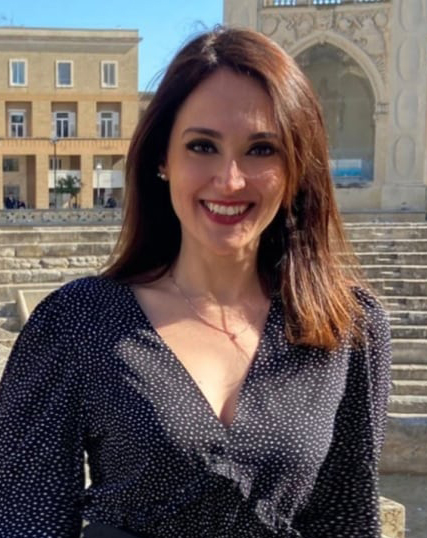
De Blasi Gabriella
Dr. Gabriella De Blasi received her Master's Degree in Biology from the University of Salento, Lecce, Italy, in 2018, and her PhD in Biological and Environmental Sciences and Technologies from the same institution in 2025, where she investigated the molecular mechanisms regulating mitochondrial respiratory chain function and cellular energy metabolism. Since 2024, she is a postdoctoral researcher at the Institute of Nanotechnology of CNR (CNR NANOTEC, Lecce, Italy), within the Membrane Trafficking Laboratory led by Dr. Riccardo Rizzo. Her current research focuses on the biochemical and biophysical remodelling of the tumor microenvironment, with particular emphasis on extracellular matrix organization and its role in tumor progression and therapeutic resistance. Her technical expertise spans biochemistry, mitochondrial metabolism, molecular and cellular biology, advanced fluorescence and high-resolution microscopy, and 3D cell culture systems for preclinical tumor microenvironment modelling
De Blasi Gabriella
Dr. Gabriella De Blasi received her Master's Degree in Biology from the University of Salento, Lecce, Italy, in 2018, and her PhD in Biological and Environmental Sciences and Technologies from the same institution in 2025, where she investigated the molecular mechanisms regulating mitochondrial respiratory chain function and cellular energy metabolism. Since 2024, she is a postdoctoral researcher at the Institute of Nanotechnology of CNR (CNR NANOTEC, Lecce, Italy), within the Membrane Trafficking Laboratory led by Dr. Riccardo Rizzo. Her current research focuses on the biochemical and biophysical remodelling of the tumor microenvironment, with particular emphasis on extracellular matrix organization and its role in tumor progression and therapeutic resistance. Her technical expertise spans biochemistry, mitochondrial metabolism, molecular and cellular biology, advanced fluorescence and high-resolution microscopy, and 3D cell culture systems for preclinical tumor microenvironment modelling
De Chirico Tiziana
Cv loading...
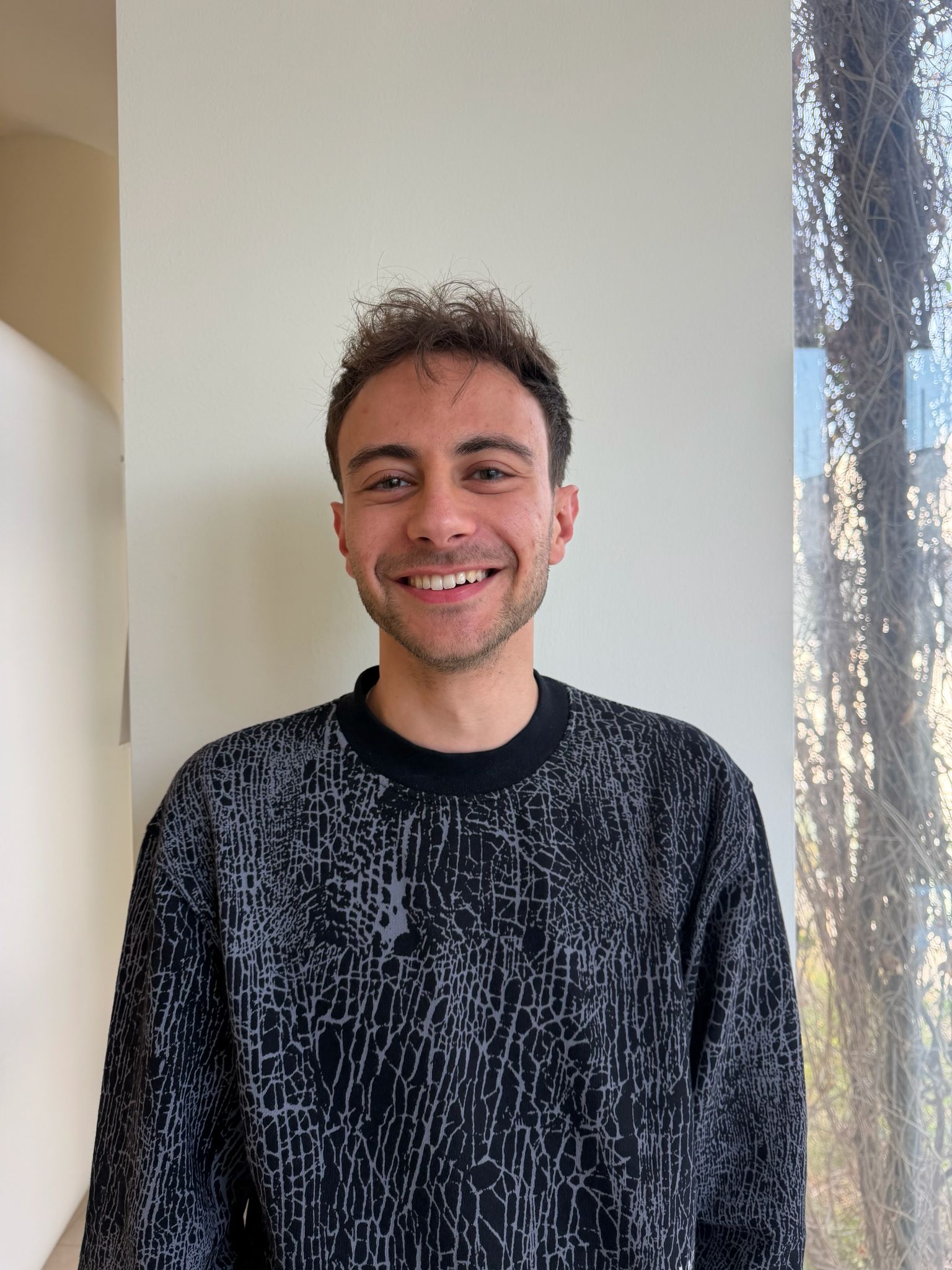
De Cillis Alfredo
Alfredo De Cillis is currently a PhD student at CNR Nanotec in Lecce, Italy. His academic background combines engineering, bioengineering, and computational methods. He obtained a Bachelor’s degree in Information Engineering from the University of Salento, where he developed solid skills in data analysis, programming, and engineering approaches. He then completed a Master’s degree in Bioengineering at the University of Padua, focusing on the application of engineering principles to biological and medical problems.
In the past, he worked on research activities at the intersection of machine learning and biomedical engineering. During his experience at the University of Salento, he worked on electroporation-based cancer treatments, particularly High-Frequency Irreversible Electroporation. In this context, he contributed to the development of machine learning models aimed at predicting optimal treatment parameters from experimental data, supporting the optimization of therapeutic protocols.
At CNR Nanotec, he has been involved in research projects related to machine learning approaches for the diagnosis of Amyotrophic Lateral Sclerosis, with particular attention to biomarker integration, multivariate analysis, and interpretable predictive models. He has also contributed to projects on wound-healing assays, including automatic wound segmentation from time-lapse microscopy images and the analysis of wound closure dynamics using deep learning-based methods.
Currently, his research activity at CNR Nanotec focuses on the application of machine learning to biomedical engineering problems. He is particularly interested in medical imaging, computational modelling, predictive analysis, and decision-support systems for biomedical and clinical applications. His current work aims to develop computational tools capable of extracting meaningful information from experimental and medical data, improving the interpretation of complex biological processes and supporting more informed decision-making. Through these activities, he seeks to contribute to the development of innovative, data-driven approaches that can support biomedical research and, in the long term, have a positive impact on healthcare technologies.
De Cillis Alfredo
Alfredo De Cillis is currently a PhD student at CNR Nanotec in Lecce, Italy. His academic background combines engineering, bioengineering, and computational methods. He obtained a Bachelor’s degree in Information Engineering from the University of Salento, where he developed solid skills in data analysis, programming, and engineering approaches. He then completed a Master’s degree in Bioengineering at the University of Padua, focusing on the application of engineering principles to biological and medical problems.
In the past, he worked on research activities at the intersection of machine learning and biomedical engineering. During his experience at the University of Salento, he worked on electroporation-based cancer treatments, particularly High-Frequency Irreversible Electroporation. In this context, he contributed to the development of machine learning models aimed at predicting optimal treatment parameters from experimental data, supporting the optimization of therapeutic protocols.
At CNR Nanotec, he has been involved in research projects related to machine learning approaches for the diagnosis of Amyotrophic Lateral Sclerosis, with particular attention to biomarker integration, multivariate analysis, and interpretable predictive models. He has also contributed to projects on wound-healing assays, including automatic wound segmentation from time-lapse microscopy images and the analysis of wound closure dynamics using deep learning-based methods.
Currently, his research activity at CNR Nanotec focuses on the application of machine learning to biomedical engineering problems. He is particularly interested in medical imaging, computational modelling, predictive analysis, and decision-support systems for biomedical and clinical applications. His current work aims to develop computational tools capable of extracting meaningful information from experimental and medical data, improving the interpretation of complex biological processes and supporting more informed decision-making. Through these activities, he seeks to contribute to the development of innovative, data-driven approaches that can support biomedical research and, in the long term, have a positive impact on healthcare technologies.
De Giorgi Alessandro
Cv loading..
De Luca Elisa
Dr. Elisa De Luca is a Researcher at the Institute of Nanotechnology (CNR-NANOTEC) in Lecce, Italy. Her research is centered on the development of micro-physiological models of neurovascular dysfunction under dynamic flow conditions, with a particular focus on advanced imaging technologies for nanomedicine applications. She obtained her PhD in Molecular Medicine, with a specialization in Molecular Biotechnology, at the University of Turin in 2011. Her doctoral thesis explored molecular mechanisms underlying cerebrovascular diseases. She previously earned both her Master’s and Bachelor’s degrees in Molecular Biotechnology at the same university. During her academic training, she carried out a research period at the Department of Cell Physiology and Metabolism of the University of Geneva, Switzerland, studying intramolecular interactions through advanced fluorescence microscopy techniques (FRET and TIRF).
Since 2011, Dr. Elisa De Luca has worked in several leading Italian research centers, including the Italian Institute of Technology (IIT) – Center for Biomolecular Nanotechnologies (CBN@UniLe) and the Institute for Microelectronics and Microsystems (CNR-IMM). Her work has combined molecular and cell biology with nanotechnology, focusing on the synthesis, functionalization, and biological evaluation of hybrid nano- and micro-systems. Her research has contributed to the design of nanomaterials for cancer immunotherapy, drug delivery, and the study of oxidative stress-related diseases. A significant part of her scientific activity involves in vivo studies using the zebrafish (Danio rerio) model, a powerful vertebrate system that enables real-time visualization of biological processes through fluorescence microscopy. She has expertise in high-resolution fluorescence microscopy, including confocal, multiphoton, lightsheet and super-resolution techniques (STORM/PALM, SIM, and STED and gated-STED), as well as in vitro 3D cellular models and organ-on-chip systems for drug screening.
Dr. Elisa De Luca is the author or co-author of over 30 peer-reviewed publications in international journals, with an h-index of 19 and more than 2,300 citations (source: Scopus). She is also co-inventor of a patent related to imaging probes for electron microscopy and correlative imaging for biological applications.
Keywords: nanobiotechnology, fluorescence microscopy, nanomaterials, advanced imaging, nanomedicine, drug delivery, biocompatibility, 3D cell models, organ-on-chip, molecular biotechnology.
De Luca Elisa
Dr. Elisa De Luca is a Researcher at the Institute of Nanotechnology (CNR-NANOTEC) in Lecce, Italy. Her research is centered on the development of micro-physiological models of neurovascular dysfunction under dynamic flow conditions, with a particular focus on advanced imaging technologies for nanomedicine applications. She obtained her PhD in Molecular Medicine, with a specialization in Molecular Biotechnology, at the University of Turin in 2011. Her doctoral thesis explored molecular mechanisms underlying cerebrovascular diseases. She previously earned both her Master’s and Bachelor’s degrees in Molecular Biotechnology at the same university. During her academic training, she carried out a research period at the Department of Cell Physiology and Metabolism of the University of Geneva, Switzerland, studying intramolecular interactions through advanced fluorescence microscopy techniques (FRET and TIRF).
Since 2011, Dr. Elisa De Luca has worked in several leading Italian research centers, including the Italian Institute of Technology (IIT) – Center for Biomolecular Nanotechnologies (CBN@UniLe) and the Institute for Microelectronics and Microsystems (CNR-IMM). Her work has combined molecular and cell biology with nanotechnology, focusing on the synthesis, functionalization, and biological evaluation of hybrid nano- and micro-systems. Her research has contributed to the design of nanomaterials for cancer immunotherapy, drug delivery, and the study of oxidative stress-related diseases. A significant part of her scientific activity involves in vivo studies using the zebrafish (Danio rerio) model, a powerful vertebrate system that enables real-time visualization of biological processes through fluorescence microscopy. She has expertise in high-resolution fluorescence microscopy, including confocal, multiphoton, lightsheet and super-resolution techniques (STORM/PALM, SIM, and STED and gated-STED), as well as in vitro 3D cellular models and organ-on-chip systems for drug screening.
Dr. Elisa De Luca is the author or co-author of over 30 peer-reviewed publications in international journals, with an h-index of 19 and more than 2,300 citations (source: Scopus). She is also co-inventor of a patent related to imaging probes for electron microscopy and correlative imaging for biological applications.
Keywords: nanobiotechnology, fluorescence microscopy, nanomaterials, advanced imaging, nanomedicine, drug delivery, biocompatibility, 3D cell models, organ-on-chip, molecular biotechnology.
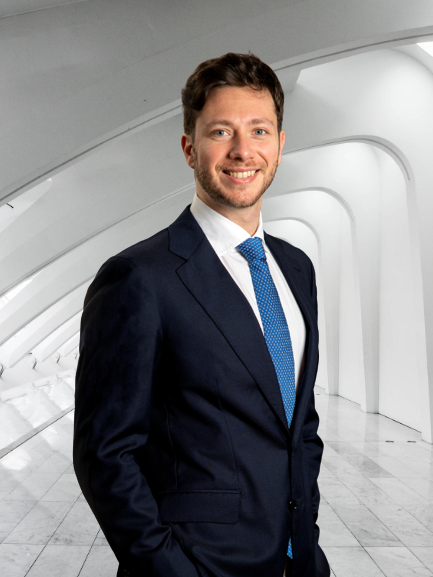
De Pace Cesare
Cesare De Pace is an Associate Researcher at CNR-NANOTEC, featuring a highly interdisciplinary profile at the intersection of materials science, biology, and physical chemistry. After graduating in Pharmacy from the University of Rome "Tor Vergata", he earned his PhD from University College London (UCL).
Specializing in nanomedicine and advanced microscopy, he contributed to establishing a state-of-the-art facility for Liquid Phase Electron Microscopy (LPEM), introducing pioneering 4D methodologies for the dynamic analysis of biological samples, virus-nanoparticle complexes, and polymersomes for drug delivery. Currently, in synergy with the University of Salento, he applies advanced correlative microscopy to investigate metabolic mechanisms in cancer and neurodegenerative diseases.
His international track record includes publications in high-impact, peer-reviewed journals such as Nature and Advanced Materials, presentations at dozens of international conferences, and prestigious awards, including the "Anhui Foreign Expert" title (China) and recognition from the Royal Microscopical Society (UK).
De Pace Cesare
Cesare De Pace is an Associate Researcher at CNR-NANOTEC, featuring a highly interdisciplinary profile at the intersection of materials science, biology, and physical chemistry. After graduating in Pharmacy from the University of Rome "Tor Vergata", he earned his PhD from University College London (UCL).
Specializing in nanomedicine and advanced microscopy, he contributed to establishing a state-of-the-art facility for Liquid Phase Electron Microscopy (LPEM), introducing pioneering 4D methodologies for the dynamic analysis of biological samples, virus-nanoparticle complexes, and polymersomes for drug delivery. Currently, in synergy with the University of Salento, he applies advanced correlative microscopy to investigate metabolic mechanisms in cancer and neurodegenerative diseases.
His international track record includes publications in high-impact, peer-reviewed journals such as Nature and Advanced Materials, presentations at dozens of international conferences, and prestigious awards, including the "Anhui Foreign Expert" title (China) and recognition from the Royal Microscopical Society (UK).
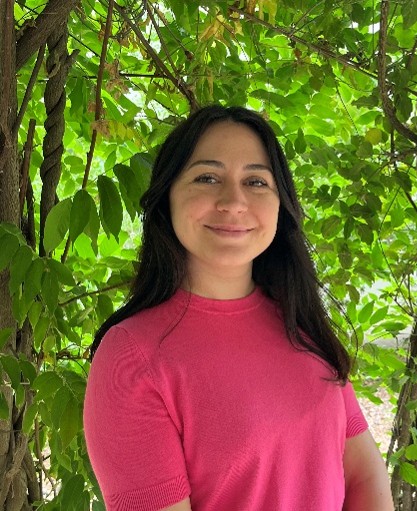
De Stradis Claudia
Claudia De Stradis is a PhD candidate in Physics and Nanoscience at the University of Salento and CNR Nanotec, Italy. She holds a master’s degree in Functional Genomics from the University of Trieste and has developed a multidisciplinary expertise in molecular biology, immunology, and nanomedicine. Her current research focuses on the development of non-viral nanovectors for T-cell engineering and cancer immunotherapy applications, including CAR-T cell therapy. She has extensive experience in the isolation and manipulation of primary immune cells, flow cytometry, confocal microscopy, and nanoparticle-mediated gene delivery. Previously, she worked on SARS-CoV-2 research at Luigi Sacco Hospital in Milan, investigating immunological and virological aspects of COVID-19, including cytokine profiling and lymphocyte characterization. She also conducted research at Aarhus University (Denmark), studying DNA methylation biomarkers in lung cancer and mechanisms of drug resistance. She has co-authored several peer-reviewed publications in the fields of cancer biology, immunology, and nanomedicine and has presented her research at national and international conferences. Her scientific interests focus on the integration of nanotechnology, and advanced gene delivery strategies to develop innovative immunotherapeutic approaches for cancer treatment.
De Stradis Claudia
Claudia De Stradis is a PhD candidate in Physics and Nanoscience at the University of Salento and CNR Nanotec, Italy. She holds a master’s degree in Functional Genomics from the University of Trieste and has developed a multidisciplinary expertise in molecular biology, immunology, and nanomedicine. Her current research focuses on the development of non-viral nanovectors for T-cell engineering and cancer immunotherapy applications, including CAR-T cell therapy. She has extensive experience in the isolation and manipulation of primary immune cells, flow cytometry, confocal microscopy, and nanoparticle-mediated gene delivery. Previously, she worked on SARS-CoV-2 research at Luigi Sacco Hospital in Milan, investigating immunological and virological aspects of COVID-19, including cytokine profiling and lymphocyte characterization. She also conducted research at Aarhus University (Denmark), studying DNA methylation biomarkers in lung cancer and mechanisms of drug resistance. She has co-authored several peer-reviewed publications in the fields of cancer biology, immunology, and nanomedicine and has presented her research at national and international conferences. Her scientific interests focus on the integration of nanotechnology, and advanced gene delivery strategies to develop innovative immunotherapeutic approaches for cancer treatment.
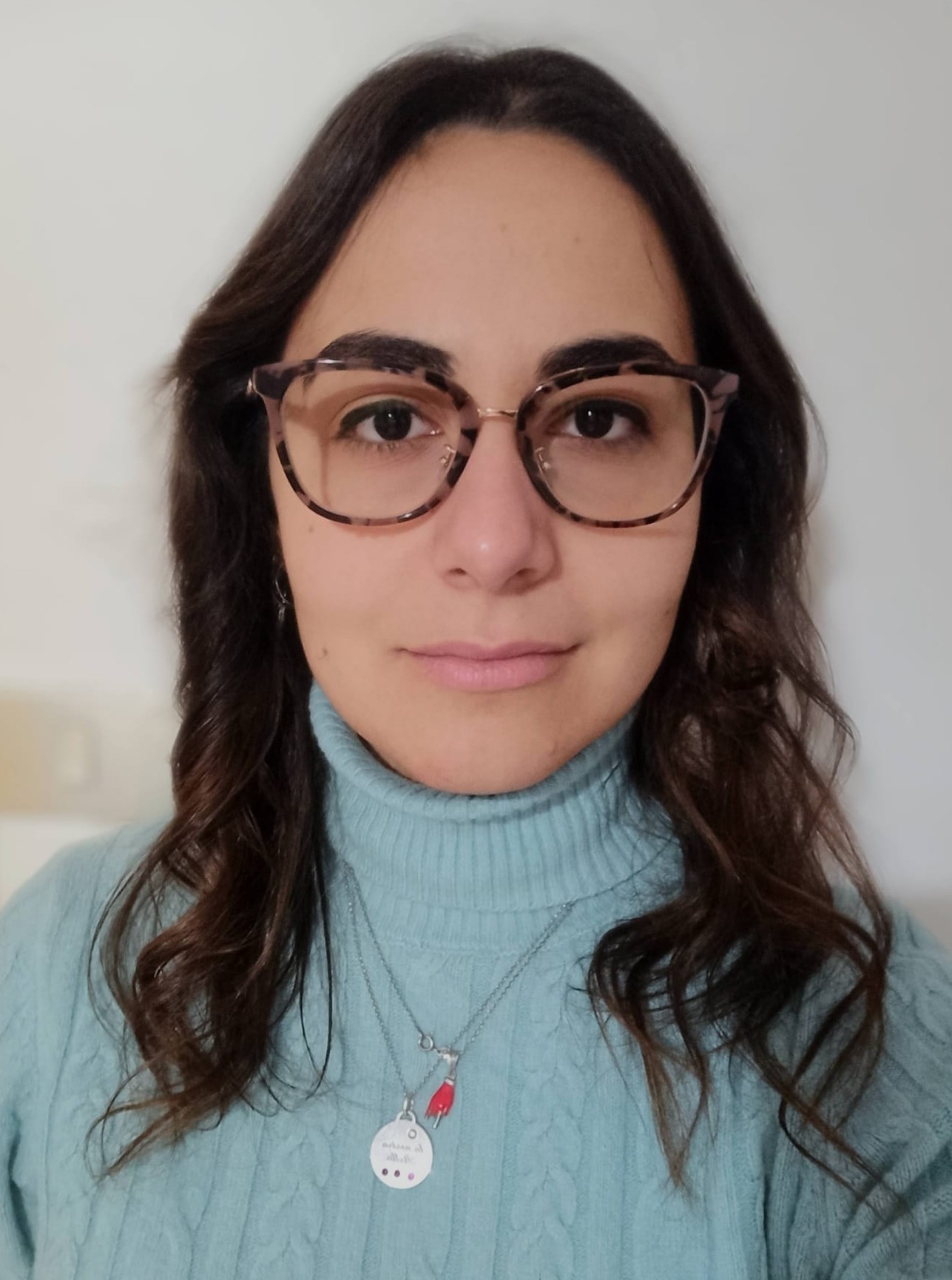
Di Maio Roberta
Roberta Di Maio is a Materials and Nanotechnology Engineer, currently pursuing a PhD in Materials Engineering and Nanotechnology at the University of Salento in collaboration with the CNR NANOTEC Institute. Her academic background combines a Bachelor’s degree in Industrial Engineering with a mechanical focus and a Master’s degree specialized in materials and nanotechnology, with particular emphasis on biomaterials and advanced functional composites. Throughout her research experience, she has been involved in the development of graphene-based polymer nanocomposites and the design and fabrication of microdevices for microfluidic applications, employing advanced microfabrication techniques and additive manufacturing. She has developed strong expertise in CAD/CAM design, prototyping processes, and the mechanical, thermal, and electrical characterization of innovative materials. Her current research activity focuses on the engineering of advanced materials and micro-scale devices for sensing and biomedical applications.
Di Maio Roberta
Roberta Di Maio is a Materials and Nanotechnology Engineer, currently pursuing a PhD in Materials Engineering and Nanotechnology at the University of Salento in collaboration with the CNR NANOTEC Institute. Her academic background combines a Bachelor’s degree in Industrial Engineering with a mechanical focus and a Master’s degree specialized in materials and nanotechnology, with particular emphasis on biomaterials and advanced functional composites. Throughout her research experience, she has been involved in the development of graphene-based polymer nanocomposites and the design and fabrication of microdevices for microfluidic applications, employing advanced microfabrication techniques and additive manufacturing. She has developed strong expertise in CAD/CAM design, prototyping processes, and the mechanical, thermal, and electrical characterization of innovative materials. Her current research activity focuses on the engineering of advanced materials and micro-scale devices for sensing and biomedical applications.

Dinoi Angela Francesca
Angela Francesca Dinoi (2000) received her Master Degree in Applied and Experimental Biology (cum Laude and Special Mention ) from University of Salento in 2024. She began her first scientific experience in 2024 at the Department of Experimental Medicine of University of Salento, as a Reasearch Fellow within the PRIN Project “Timely diagnosis of brain death”. Since October 2025, she is a PhD student of the University of Pavia, conducting her reasearch at the CNR – Institute of Nanotechnology (CNR NANOTEC), Lecce, Italy, within the Membrane Trafficking Laboratory led by Dr. Riccardo Rizzo, in the framework of the National INF-ACT Project. Her research focuses on the role of matrix stiffness in macrophage differentiation and pulmonary fibrosis in the context of viral infection. Her technical expertise spans Cell Biology, Molecular Biology, Biochemistry, and advanced imaging techniques, including confocal microscopy and the RUSH technology for live-cell membrane trafficking studies. She also works with 3D alginate-based hydrogel models and lentiviral cloning strategies for the generation of stable cell lines.
Dinoi Angela Francesca
Angela Francesca Dinoi (2000) received her Master Degree in Applied and Experimental Biology (cum Laude and Special Mention ) from University of Salento in 2024. She began her first scientific experience in 2024 at the Department of Experimental Medicine of University of Salento, as a Reasearch Fellow within the PRIN Project “Timely diagnosis of brain death”. Since October 2025, she is a PhD student of the University of Pavia, conducting her reasearch at the CNR – Institute of Nanotechnology (CNR NANOTEC), Lecce, Italy, within the Membrane Trafficking Laboratory led by Dr. Riccardo Rizzo, in the framework of the National INF-ACT Project. Her research focuses on the role of matrix stiffness in macrophage differentiation and pulmonary fibrosis in the context of viral infection. Her technical expertise spans Cell Biology, Molecular Biology, Biochemistry, and advanced imaging techniques, including confocal microscopy and the RUSH technology for live-cell membrane trafficking studies. She also works with 3D alginate-based hydrogel models and lentiviral cloning strategies for the generation of stable cell lines.
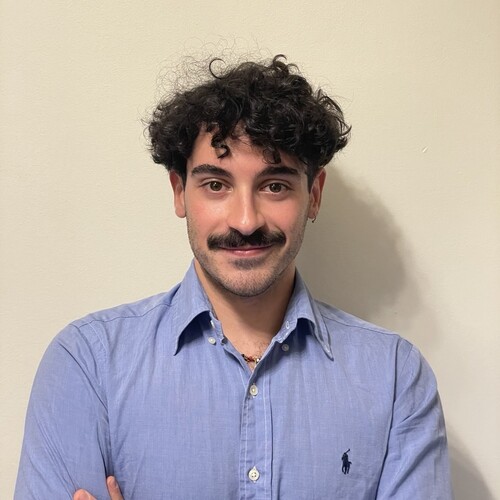
Fiore Francesco
I am a Bioengineering Researcher with expertise in nanotechnologies, biomaterials, and microfluidic systems applied to regenerative medicine and advanced diagnostics. Since December 2025, I have been conducting research activities at the National Research Council (CNR) – NANOTEC in Lecce, Italy, where I focus on the development of microfluidic devices for physio-pathological and biosensing applications, with particular emphasis on cell–drug and cell–chemoattractant interactions. My work involves fluid-dynamic and diffusive simulations using COMSOL Multiphysics, surface functionalization strategies, and the design and fabrication of microdevices through additive manufacturing techniques (FDM, DLP) and subtractive manufacturing approaches (micro-milling). I also possess strong skills in CAD and 3D modelling, with experience in SolidWorks, Autodesk Fusion 360, and other commonly used engineering software.
From February 2024 to July 2025, I worked as a Bioengineering Researcher at the Polytechnic University of Turin, contributing to the development of advanced Drug Delivery Systems (DDS) for tissue regeneration applications, including micro- and nanoparticles as well as electro-spun membranes. During this experience, I gained solid expertise in the morphological and physicochemical characterization of biomaterials using advanced analytical techniques such as SEM, FTIR spectroscopy, micro-CT, TGA/DSC, and DLS. I also developed computational and data-processing skills, alongside experience in scientific writing, preparation of technical deliverables, and collaboration with European partners within multidisciplinary research projects.
I obtained my master’s degree in biomedical engineering (M.Sc. in Bionanotechnologies) summa cum laude from the Polytechnic University of Turin in December 2023, with a thesis focused on the synthesis and characterization of PLGA-based nanoparticles for drug delivery applications. In 2021, I obtained my bachelor’s degree in biomedical engineering from the same institution, building a strong foundation in biomechanics, biomaterials, biomedical technologies, and applied engineering sciences.
Fiore Francesco
I am a Bioengineering Researcher with expertise in nanotechnologies, biomaterials, and microfluidic systems applied to regenerative medicine and advanced diagnostics. Since December 2025, I have been conducting research activities at the National Research Council (CNR) – NANOTEC in Lecce, Italy, where I focus on the development of microfluidic devices for physio-pathological and biosensing applications, with particular emphasis on cell–drug and cell–chemoattractant interactions. My work involves fluid-dynamic and diffusive simulations using COMSOL Multiphysics, surface functionalization strategies, and the design and fabrication of microdevices through additive manufacturing techniques (FDM, DLP) and subtractive manufacturing approaches (micro-milling). I also possess strong skills in CAD and 3D modelling, with experience in SolidWorks, Autodesk Fusion 360, and other commonly used engineering software.
From February 2024 to July 2025, I worked as a Bioengineering Researcher at the Polytechnic University of Turin, contributing to the development of advanced Drug Delivery Systems (DDS) for tissue regeneration applications, including micro- and nanoparticles as well as electro-spun membranes. During this experience, I gained solid expertise in the morphological and physicochemical characterization of biomaterials using advanced analytical techniques such as SEM, FTIR spectroscopy, micro-CT, TGA/DSC, and DLS. I also developed computational and data-processing skills, alongside experience in scientific writing, preparation of technical deliverables, and collaboration with European partners within multidisciplinary research projects.
I obtained my master’s degree in biomedical engineering (M.Sc. in Bionanotechnologies) summa cum laude from the Polytechnic University of Turin in December 2023, with a thesis focused on the synthesis and characterization of PLGA-based nanoparticles for drug delivery applications. In 2021, I obtained my bachelor’s degree in biomedical engineering from the same institution, building a strong foundation in biomechanics, biomaterials, biomedical technologies, and applied engineering sciences.

Forciniti Stefania
Cv loading...
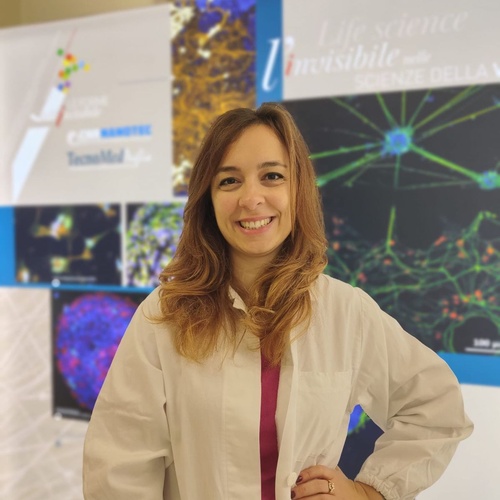
Foscarini Alessia
Dr. Alessia Foscarini earned a Bachelor’s Degree in Biological Sciences (Sanitary-Molecular Curriculum) from the University of Urbino, with a thesis on stem cell isolation and ex-vivo expansion from different sources. She then obtained a Master’s Degree in Experimental and Applied Biology (Biomedical and Molecular Sciences Curriculum) at the University of Pavia, focusing on TAS2R (Bitter Taste Receptor) gene variants and colorectal cancer risk.
She subsequently completed a PhD in Genetics, Molecular and Cellular Biology at the University of Pavia in collaboration with the Helmholtz Zentrum München – Institute for Diabetes and Cancer (Germany). Her PhD research investigated the functional role of Tribbles pseudokinases in gastric cancer. During this period, she also contributed to several projects in oncology, including studies on genetic lesions in gastrointestinal tumors, functional characterization of Tribbles pseudokinases in medullary thyroid cancer, identification of novel therapeutic targets in pancreatic neuroendocrine tumors, and CRISPR/Cas9-mediated genome editing in pheochromocytoma cell lines.
In December 2022, she joined CNR NANOTEC – Institute of Nanotechnology in Lecce as a Postdoctoral Researcher. Her current research combines molecular biology, cancer biology, microfluidics, and Lab-on-Chip technologies for Liquid Biopsy biomedical applications. In particular, she focuses on the development and optimization of microfluidic Lab-on-Chip platforms equipped with sensing modules for Extracellular Vesicle (EV) studies, aiming to overcome current technological limitations and advance EV research.
She recently completed an AIRC short-term fellowship at the Physics of Cells and Cancer laboratory in Paris, associated with CNRS, PSL Université, Sorbonne Université, and Institut Curie. The project focused on the design and optimization of textile microfluidic on-chip platforms for large-scale EV production.
Dr. Foscarini is author of scientific papers and reviews and is a member of several scientific societies, including EVITA, ISEV, SIOoCC, and EACR.
Foscarini Alessia
Dr. Alessia Foscarini earned a Bachelor’s Degree in Biological Sciences (Sanitary-Molecular Curriculum) from the University of Urbino, with a thesis on stem cell isolation and ex-vivo expansion from different sources. She then obtained a Master’s Degree in Experimental and Applied Biology (Biomedical and Molecular Sciences Curriculum) at the University of Pavia, focusing on TAS2R (Bitter Taste Receptor) gene variants and colorectal cancer risk.
She subsequently completed a PhD in Genetics, Molecular and Cellular Biology at the University of Pavia in collaboration with the Helmholtz Zentrum München – Institute for Diabetes and Cancer (Germany). Her PhD research investigated the functional role of Tribbles pseudokinases in gastric cancer. During this period, she also contributed to several projects in oncology, including studies on genetic lesions in gastrointestinal tumors, functional characterization of Tribbles pseudokinases in medullary thyroid cancer, identification of novel therapeutic targets in pancreatic neuroendocrine tumors, and CRISPR/Cas9-mediated genome editing in pheochromocytoma cell lines.
In December 2022, she joined CNR NANOTEC – Institute of Nanotechnology in Lecce as a Postdoctoral Researcher. Her current research combines molecular biology, cancer biology, microfluidics, and Lab-on-Chip technologies for Liquid Biopsy biomedical applications. In particular, she focuses on the development and optimization of microfluidic Lab-on-Chip platforms equipped with sensing modules for Extracellular Vesicle (EV) studies, aiming to overcome current technological limitations and advance EV research.
She recently completed an AIRC short-term fellowship at the Physics of Cells and Cancer laboratory in Paris, associated with CNRS, PSL Université, Sorbonne Université, and Institut Curie. The project focused on the design and optimization of textile microfluidic on-chip platforms for large-scale EV production.
Dr. Foscarini is author of scientific papers and reviews and is a member of several scientific societies, including EVITA, ISEV, SIOoCC, and EACR.
Gabrieli Roberta
Cv loading...
Garzarelli Valeria
Valeria Garzarelli is a biologist and nanotechnology researcher with a strong background in cancer biology, microfluidics, and lab-on-chip technologies. She is currently a research fellow at CNR Nanotec in Lecce, where she develops 3D-printed devices and microfluidic systems to study cancer cell migration, invasion, and drug response, with a focus on precision medicine. She recently completed a PhD in Nanotechnology at the University of Salento, developing innovative on-chip approaches to investigate prostate cancer, integrin signaling, and metastasis-related mechanisms.
Her research experience spans several years and includes projects on prostate cancer, ALS, and inflammatory diseases, combining advanced cell culture models, patient-derived primary cells, spheroids, and organoids, as well as molecular biology techniques such as Western blotting, immunofluorescence, RT-PCR, and ELISA. She has also worked with in vivo models, tissue processing, and microscopy-based analyses.
Valeria has expertise in microfluidics, 3D printing, cell biology, and translational research, and has participated in international conferences and workshops, delivering oral presentations. She is a member of the Italian National Order of Biologists and holds a Master’s degree in Molecular Biomedicine and a degree in Medical Biotechnology and Molecular Medicine, earned with honors.
Garzarelli Valeria
Valeria Garzarelli is a biologist and nanotechnology researcher with a strong background in cancer biology, microfluidics, and lab-on-chip technologies. She is currently a research fellow at CNR Nanotec in Lecce, where she develops 3D-printed devices and microfluidic systems to study cancer cell migration, invasion, and drug response, with a focus on precision medicine. She recently completed a PhD in Nanotechnology at the University of Salento, developing innovative on-chip approaches to investigate prostate cancer, integrin signaling, and metastasis-related mechanisms.
Her research experience spans several years and includes projects on prostate cancer, ALS, and inflammatory diseases, combining advanced cell culture models, patient-derived primary cells, spheroids, and organoids, as well as molecular biology techniques such as Western blotting, immunofluorescence, RT-PCR, and ELISA. She has also worked with in vivo models, tissue processing, and microscopy-based analyses.
Valeria has expertise in microfluidics, 3D printing, cell biology, and translational research, and has participated in international conferences and workshops, delivering oral presentations. She is a member of the Italian National Order of Biologists and holds a Master’s degree in Molecular Biomedicine and a degree in Medical Biotechnology and Molecular Medicine, earned with honors.
Grasso Giuliana
cv loading...
Guarino Vita
Cv loading..
Invidia Alessandra
Alessandra Invidia is a postdoctoral researcher at CNR Nanotec with a multidisciplinary background spanning biology, nanotechnology, and translational medicine. She holds a Master’s degree in Biology from the University of Bologna and a PhD in Nanotechnology from the University of Salento, completed in collaboration with CNR Nanotec. Her research focuses on the design, synthesis, physicochemical characterization, and biological evaluation of polymeric and lipid-based nanoparticles for drug delivery, with a particular emphasis on cancer immunotherapy. She has developed strong expertise in cell and molecular biology, as well as in advanced analytical techniques used to investigate nano–bio interactions. Currently, she works on innovative nanoformulations aimed at inducing immunogenic cancer cell death and promoting in situ cancer vaccination strategies. Her overall goal is to contribute to the development of translational nanomedicine approaches that overcome current limitations of cancer vaccines and enable more effective therapeutic interventions.
Invidia Alessandra
Alessandra Invidia is a postdoctoral researcher at CNR Nanotec with a multidisciplinary background spanning biology, nanotechnology, and translational medicine. She holds a Master’s degree in Biology from the University of Bologna and a PhD in Nanotechnology from the University of Salento, completed in collaboration with CNR Nanotec. Her research focuses on the design, synthesis, physicochemical characterization, and biological evaluation of polymeric and lipid-based nanoparticles for drug delivery, with a particular emphasis on cancer immunotherapy. She has developed strong expertise in cell and molecular biology, as well as in advanced analytical techniques used to investigate nano–bio interactions. Currently, she works on innovative nanoformulations aimed at inducing immunogenic cancer cell death and promoting in situ cancer vaccination strategies. Her overall goal is to contribute to the development of translational nanomedicine approaches that overcome current limitations of cancer vaccines and enable more effective therapeutic interventions.

Hazemberg Tatiana
PhD Candidate in Materials and Structural Engineering and Nanotechnology (41st Cycle) at the University of Salento. Currently associated at CNR-NANOTEC, where my research focuses on AI techniques-driven multimodal and correlative microscopy, with particular emphasis on electron microscopy and cancer research. I hold an MSc in Biomedical Sciences with specialization in Biomedical Imaging Techniques from Maastricht University and completed my MSc thesis during an internship at CNR-NANOTEC, contributing to the development of organ-on-chip in vitro model systems with an interest on neuromuscular systems. My background spans cellular and tissue biology, biotechnology, and advanced imaging methodologies. I enjoy working at the interface of biology and technology to advance translational medicine in international research environments.
Hazemberg Tatiana
PhD Candidate in Materials and Structural Engineering and Nanotechnology (41st Cycle) at the University of Salento. Currently associated at CNR-NANOTEC, where my research focuses on AI techniques-driven multimodal and correlative microscopy, with particular emphasis on electron microscopy and cancer research. I hold an MSc in Biomedical Sciences with specialization in Biomedical Imaging Techniques from Maastricht University and completed my MSc thesis during an internship at CNR-NANOTEC, contributing to the development of organ-on-chip in vitro model systems with an interest on neuromuscular systems. My background spans cellular and tissue biology, biotechnology, and advanced imaging methodologies. I enjoy working at the interface of biology and technology to advance translational medicine in international research environments.
Iuele Helena
Cv loading..
Leccese Gabriella
Gabriella Leccese is a Postdoctoral Researcher affiliated with the University of Salento and CNR Nanotec, where she investigates innovative non-viral platforms for gene delivery and immune cell engineering. Her research lies at the intersection of immunology, nanomedicine, and genome editing, with a particular focus on the development of advanced therapeutic strategies based on nanoparticle-mediated nucleic acid delivery. She holds a PhD in Molecular and Cellular Biology from the University of Milan, where she studied the molecular mechanisms driving pathogenic T-cell responses in Crohn’s disease. Over the course of her research activity, she has gained extensive experience in molecular and cellular biology, immune cell characterization, flow and mass cytometry, and translational biomedical research. Her work aims to contribute to the development of next-generation immunotherapies and precision medicine approaches for the treatment of cancer and immune-mediated diseases.
Leccese Gabriella
Gabriella Leccese is a Postdoctoral Researcher affiliated with the University of Salento and CNR Nanotec, where she investigates innovative non-viral platforms for gene delivery and immune cell engineering. Her research lies at the intersection of immunology, nanomedicine, and genome editing, with a particular focus on the development of advanced therapeutic strategies based on nanoparticle-mediated nucleic acid delivery. She holds a PhD in Molecular and Cellular Biology from the University of Milan, where she studied the molecular mechanisms driving pathogenic T-cell responses in Crohn’s disease. Over the course of her research activity, she has gained extensive experience in molecular and cellular biology, immune cell characterization, flow and mass cytometry, and translational biomedical research. Her work aims to contribute to the development of next-generation immunotherapies and precision medicine approaches for the treatment of cancer and immune-mediated diseases.
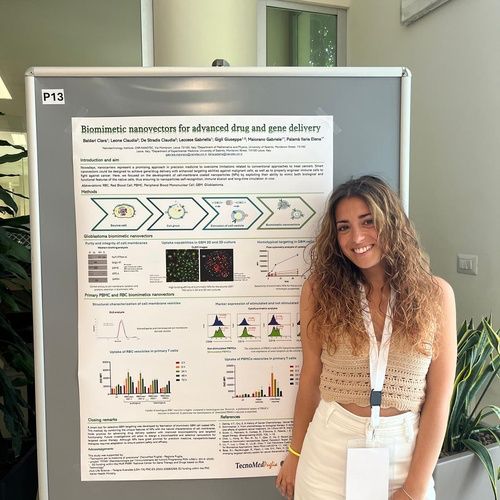
Leone Claudia
Claudia Leone is a PhD candidate in Nanotechnology at CNR NANOTEC, with a solid background in medical biotechnology and nanobiotechnology. She holds a bachelor’s degree in Biotechnology and a Master’s degree in Medical Biotechnology and Nanobiotechnology, both from the University of Salento.
During her internship for her master’s thesis, she conducted comparative analyses of respiratory complexes in three Saccharomyces cerevisiae strains, gaining insight into cellular bioenergetics. She managed biological samples and experimental workflows, using instruments such as spectrophotometers, microscopes, and electrophoresis systems.
During PhD course, her research activity focused on the synthesis of biomimetic nanoparticles for the engineering of primary T lymphocytes for CAR-T immunotherapy applications.
She optimized nanoparticle synthesis and formulation parameters, characterized the nanovectors using physicochemical techniques, and evaluated gene delivery efficiency through molecular analyses, contributing to improved protocol reproducibility.
She is currently a fellow researcher at CNR, where she will work on the development and optimization of on-chip biological assays for the electrochemical detection of microRNAs in liquid biopsy samples.
Leone Claudia
Claudia Leone is a PhD candidate in Nanotechnology at CNR NANOTEC, with a solid background in medical biotechnology and nanobiotechnology. She holds a bachelor’s degree in Biotechnology and a Master’s degree in Medical Biotechnology and Nanobiotechnology, both from the University of Salento.
During her internship for her master’s thesis, she conducted comparative analyses of respiratory complexes in three Saccharomyces cerevisiae strains, gaining insight into cellular bioenergetics. She managed biological samples and experimental workflows, using instruments such as spectrophotometers, microscopes, and electrophoresis systems.
During PhD course, her research activity focused on the synthesis of biomimetic nanoparticles for the engineering of primary T lymphocytes for CAR-T immunotherapy applications.
She optimized nanoparticle synthesis and formulation parameters, characterized the nanovectors using physicochemical techniques, and evaluated gene delivery efficiency through molecular analyses, contributing to improved protocol reproducibility.
She is currently a fellow researcher at CNR, where she will work on the development and optimization of on-chip biological assays for the electrochemical detection of microRNAs in liquid biopsy samples.
Lia Andrea
Andrea Lia is a postdoctoral researcher at CNR-Nanotec/TecnoMED Puglia, with expertise in molecular biology, biochemistry and glycobiology. His research focuses on endoplasmic reticulum quality control, ER-associated degradation and glycoprotein folding in health and disease. He obtained a Doctor Europaeus PhD from the University of Tuscia, with international research experience at the University of Oxford and as a Visiting PhD student at the University of Leicester. He has also taken part in advanced international scientific training and dissemination activities, including the CCP4/BCA Summer School in X-ray crystallography in York and an international glycobiology symposium in Buenos Aires.
He has collaborated with research groups in Oxford, Leicester, TIGEM and CNR, contributing to multidisciplinary projects in structural biology, cell biology and glycobiology. His publication record reflects a continuous trajectory in glycoprotein quality control, including studies on the molecular mechanisms that monitor glycoprotein folding, direct misfolded glycoproteins towards degradation, and determine the cellular fate of disease-associated glycoprotein variants. His technical expertise includes recombinant glycoprotein production, protein purification, biochemical and cell-based assays, glycan analysis, molecular cloning and CRISPR/Cas9-related approaches. His work combines mechanistic protein biochemistry with disease-oriented models, including rare conformational diseases and cancer-relevant glycoproteins.
Lia Andrea
Andrea Lia is a postdoctoral researcher at CNR-Nanotec/TecnoMED Puglia, with expertise in molecular biology, biochemistry and glycobiology. His research focuses on endoplasmic reticulum quality control, ER-associated degradation and glycoprotein folding in health and disease. He obtained a Doctor Europaeus PhD from the University of Tuscia, with international research experience at the University of Oxford and as a Visiting PhD student at the University of Leicester. He has also taken part in advanced international scientific training and dissemination activities, including the CCP4/BCA Summer School in X-ray crystallography in York and an international glycobiology symposium in Buenos Aires.
He has collaborated with research groups in Oxford, Leicester, TIGEM and CNR, contributing to multidisciplinary projects in structural biology, cell biology and glycobiology. His publication record reflects a continuous trajectory in glycoprotein quality control, including studies on the molecular mechanisms that monitor glycoprotein folding, direct misfolded glycoproteins towards degradation, and determine the cellular fate of disease-associated glycoprotein variants. His technical expertise includes recombinant glycoprotein production, protein purification, biochemical and cell-based assays, glycan analysis, molecular cloning and CRISPR/Cas9-related approaches. His work combines mechanistic protein biochemistry with disease-oriented models, including rare conformational diseases and cancer-relevant glycoproteins.

Loiola Clarissa
Cv loading...
Macchi Sara
cv loading...
Mandriota Giacomo
Dr Giacomo Mandriota is a Researcher at the Institute of Nanotechnology (CNR NANOTEC, Lecce, Italy), where he works on the development of advanced nanomaterials for biomedical applications, with a particular focus on gene delivery and cancer immunotherapy. He obtained his PhD in Physics and Nanoscience at the University of Salento, where he conducted research on multifunctional magnetic nanoclusters for theranostic applications. Throughout his career, he has worked at the Italian Institute of Technology (IIT, Genoa) and at various institutes of the National Research Council (CNR), developing extensive expertise in the design, synthesis, surface functionalization, and characterization of nanomaterials. His research interests include nanocarriers for drug and gene delivery, magnetic hyperthermia, molecular imaging, and multifunctional nanostructures for biomedical and advanced materials applications. He has experience with a wide range of characterization techniques, including TEM, SEM, AFM, DLS, Raman, FTIR, fluorescence, and UV-Vis spectroscopy. He has authored numerous peer-reviewed scientific publications in international journals and actively collaborates on national and international research projects focused on nanomedicine, advanced materials, and translational biomedical technologies.
Mandriota Giacomo
Dr Giacomo Mandriota is a Researcher at the Institute of Nanotechnology (CNR NANOTEC, Lecce, Italy), where he works on the development of advanced nanomaterials for biomedical applications, with a particular focus on gene delivery and cancer immunotherapy. He obtained his PhD in Physics and Nanoscience at the University of Salento, where he conducted research on multifunctional magnetic nanoclusters for theranostic applications. Throughout his career, he has worked at the Italian Institute of Technology (IIT, Genoa) and at various institutes of the National Research Council (CNR), developing extensive expertise in the design, synthesis, surface functionalization, and characterization of nanomaterials. His research interests include nanocarriers for drug and gene delivery, magnetic hyperthermia, molecular imaging, and multifunctional nanostructures for biomedical and advanced materials applications. He has experience with a wide range of characterization techniques, including TEM, SEM, AFM, DLS, Raman, FTIR, fluorescence, and UV-Vis spectroscopy. He has authored numerous peer-reviewed scientific publications in international journals and actively collaborates on national and international research projects focused on nanomedicine, advanced materials, and translational biomedical technologies.
Mello Eleonora
Eleonora Mello is a medical biotechnologist and PhD candidate in Physics and Nanoscience at the University of Salento. She obtained her Master's Degree in Medical Biotechnology and Molecular Medicine from the University of Bari “Aldo Moro”, where she focused on the generation of induced pluripotent stem cell (iPSC)-based models for the study of Charcot-Marie-Tooth disease.
Her PhD research has been dedicated to the development of advanced in vitro models of the human intestine based on iPSC-derived organoids and organ-on-chip technologies for precision medicine applications and the investigation of metabolic diseases. This work involved the design and characterization of 3D cellular systems, dynamic culture platforms, and microphysiological models reproducing intestinal barrier functions. Currently, she works as a Research Fellow at National Research Council (CNR) – Institute of Nanotechnology within the TecnoMED Precision Medicine Technopole in Lecce, Italy. Her research activity focuses on ovarian cancer modeling within a project aimed at developing innovative microfluidic platforms and high-throughput culture systems for the generation and analysis of tumor spheroids.
Her expertise encompasses stem cell biology, organoids, organ-on-chip technologies, microfluidics, 3D cell culture, molecular biology, immunofluorescence, confocal microscopy, and advanced in vitro disease modeling. She actively participates in national and international conferences in the fields of biomedical engineering, microphysiological systems, and precision medicine, and has co-authored peer-reviewed articles in international scientific journals.
Mello Eleonora
Eleonora Mello is a medical biotechnologist and PhD candidate in Physics and Nanoscience at the University of Salento. She obtained her Master's Degree in Medical Biotechnology and Molecular Medicine from the University of Bari “Aldo Moro”, where she focused on the generation of induced pluripotent stem cell (iPSC)-based models for the study of Charcot-Marie-Tooth disease.
Her PhD research has been dedicated to the development of advanced in vitro models of the human intestine based on iPSC-derived organoids and organ-on-chip technologies for precision medicine applications and the investigation of metabolic diseases. This work involved the design and characterization of 3D cellular systems, dynamic culture platforms, and microphysiological models reproducing intestinal barrier functions. Currently, she works as a Research Fellow at National Research Council (CNR) – Institute of Nanotechnology within the TecnoMED Precision Medicine Technopole in Lecce, Italy. Her research activity focuses on ovarian cancer modeling within a project aimed at developing innovative microfluidic platforms and high-throughput culture systems for the generation and analysis of tumor spheroids.
Her expertise encompasses stem cell biology, organoids, organ-on-chip technologies, microfluidics, 3D cell culture, molecular biology, immunofluorescence, confocal microscopy, and advanced in vitro disease modeling. She actively participates in national and international conferences in the fields of biomedical engineering, microphysiological systems, and precision medicine, and has co-authored peer-reviewed articles in international scientific journals.
Menon Ilaria
Ilaria Menon is a PhD student in Physics and Nanoscience at the University of Salento, where she is carrying out a research project in collaboration with CNR-Nanotec in Lecce. Her current work focuses on the characterization of extracellular vesicles obtained from static and dynamic cell cultures for on-chip production, combining biotechnology, nanoscience, microfluidics and biomedical research.
She obtained her Master’s Degree in Biotechnology for Translational Medicine from the University of Ferrara in December 2023, with a thesis on the identification of microRNAs as potential biomarkers for predicting the progression of vulvar lichen sclerosus to squamous cell carcinoma. She previously graduated in Health Biotechnology from the same university in March 2021.
During her training, she gained experience in molecular biology, RNA extraction and analysis, real-time PCR, Western blot, immunofluorescence, cell culture and cytotoxicity assays. She also completed internships in bioinformatics, pediatric hemato-oncology and microarray analysis.
Since 2024, she has worked at CNR-Nanotec on projects related to extracellular vesicles, liquid biopsy and innovative lab-on-chip platforms. Her current research aims to develop and optimize tools for extracellular vesicle production, characterization and detection, with potential applications in personalized medicine and advanced biomedical diagnostics.
Menon Ilaria
Ilaria Menon is a PhD student in Physics and Nanoscience at the University of Salento, where she is carrying out a research project in collaboration with CNR-Nanotec in Lecce. Her current work focuses on the characterization of extracellular vesicles obtained from static and dynamic cell cultures for on-chip production, combining biotechnology, nanoscience, microfluidics and biomedical research.
She obtained her Master’s Degree in Biotechnology for Translational Medicine from the University of Ferrara in December 2023, with a thesis on the identification of microRNAs as potential biomarkers for predicting the progression of vulvar lichen sclerosus to squamous cell carcinoma. She previously graduated in Health Biotechnology from the same university in March 2021.
During her training, she gained experience in molecular biology, RNA extraction and analysis, real-time PCR, Western blot, immunofluorescence, cell culture and cytotoxicity assays. She also completed internships in bioinformatics, pediatric hemato-oncology and microarray analysis.
Since 2024, she has worked at CNR-Nanotec on projects related to extracellular vesicles, liquid biopsy and innovative lab-on-chip platforms. Her current research aims to develop and optimize tools for extracellular vesicle production, characterization and detection, with potential applications in personalized medicine and advanced biomedical diagnostics.
Messina Roberto
I graduated from University of Salento in October 2025 in Experimental and Applied Biology with a thesis titled “the pkc/p53/ndrg1 pathway controls a specific senescence-associated secretome” and a grade of 110/110.
My research career started during my master’s degree with an internship where for 8 months I conducted research regarding cellular senescence in breast cancer. Here I learned the basics of western blotting, cell culture, in silico multiomic analysis and protein-protein interaction networks.
Currently I’m a first year PhD student of the 41st cycle in Material, Structure and Nanotechnology Engineering since December 2025 where I study mechanotransduction in breast cancer using biomimetic materials and confocal microscopy to study migration patterns of breast cancer
Messina Roberto
I graduated from University of Salento in October 2025 in Experimental and Applied Biology with a thesis titled “the pkc/p53/ndrg1 pathway controls a specific senescence-associated secretome” and a grade of 110/110.
My research career started during my master’s degree with an internship where for 8 months I conducted research regarding cellular senescence in breast cancer. Here I learned the basics of western blotting, cell culture, in silico multiomic analysis and protein-protein interaction networks.
Currently I’m a first year PhD student of the 41st cycle in Material, Structure and Nanotechnology Engineering since December 2025 where I study mechanotransduction in breast cancer using biomimetic materials and confocal microscopy to study migration patterns of breast cancer
Morello Giulia
Cv loading...

Musella Marianna
PhD candidate in Materials and Structure Engineering and Nanotechnology at the University of Salento and CNR Nanotec, with an MSc in Biochemistry at the Sapienza University of Rome. Specialized in design, synthesis, and characterization of nanosystems for drug delivery in oncology and antimicrobial therapies, with experience in developing organic and hybrid nanoformulations for precision medicine. Currently engaged in research and development at CNR Nanotec, focusing on innovative approaches for advanced therapies and translational applications. Has experience with major European research infrastructures, including the European Synchrotron Radiation Facility (ESRF, Grenoble) and Elettra Sincrotrone Trieste, contributing to interdisciplinary projects in nanotechnology, biomedical imaging, and nanomedicine. Expertise includes multimodal imaging techniques, particularly X-ray Phase Contrast Tomography (XPCT), used to study biological tissues and nanosystems for biomedical applications.
Musella Marianna
PhD candidate in Materials and Structure Engineering and Nanotechnology at the University of Salento and CNR Nanotec, with an MSc in Biochemistry at the Sapienza University of Rome. Specialized in design, synthesis, and characterization of nanosystems for drug delivery in oncology and antimicrobial therapies, with experience in developing organic and hybrid nanoformulations for precision medicine. Currently engaged in research and development at CNR Nanotec, focusing on innovative approaches for advanced therapies and translational applications. Has experience with major European research infrastructures, including the European Synchrotron Radiation Facility (ESRF, Grenoble) and Elettra Sincrotrone Trieste, contributing to interdisciplinary projects in nanotechnology, biomedical imaging, and nanomedicine. Expertise includes multimodal imaging techniques, particularly X-ray Phase Contrast Tomography (XPCT), used to study biological tissues and nanosystems for biomedical applications.
Nigro Salvatore
cv loading...
Onesto Valentina
Cv loading..
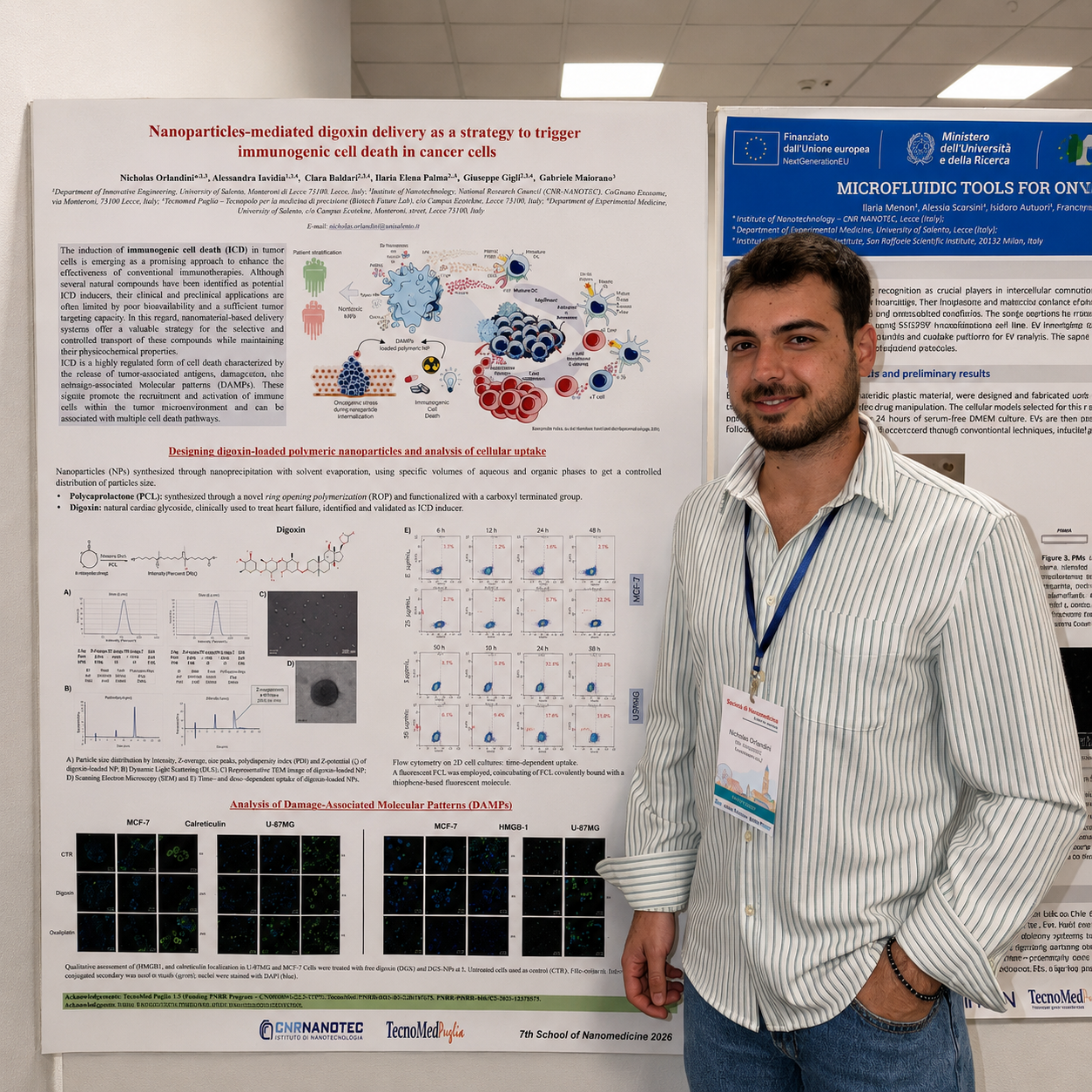
Orlandini Nicholas
Nicholas Orlandini holds a Bachelor's degree in Biotechnology from the University of Salento and a Master's degree in Medical Biotechnology from the University of Trieste. He further specialized in Molecular Biology through a postgraduate Master's program at the University of Salento. He is currently pursuing a Ph.D. in Materials and Structural Engineering and Nanotechnology at CNR NANOTEC – Institute of Nanotechnology. His research interests lie at the intersection of biotechnology, molecular biology, nanotechnology, and advanced materials, with a focus on developing innovative approaches for biomedical and technological applications.
Orlandini Nicholas
Nicholas Orlandini holds a Bachelor's degree in Biotechnology from the University of Salento and a Master's degree in Medical Biotechnology from the University of Trieste. He further specialized in Molecular Biology through a postgraduate Master's program at the University of Salento. He is currently pursuing a Ph.D. in Materials and Structural Engineering and Nanotechnology at CNR NANOTEC – Institute of Nanotechnology. His research interests lie at the intersection of biotechnology, molecular biology, nanotechnology, and advanced materials, with a focus on developing innovative approaches for biomedical and technological applications.
Paolelli Xenia
Cv loading..
Pezzolla Daniela
Cv loading...
Pisanò Elisabetta
Cv loading...
Pisanò Gianmarco
Gianmarco Pisanò holds a Ph.D. in Chemistry from the University of Ghent, where he worked under the joint supervision of Prof. Catherine S. J. Cazin and Prof. Steven P. Nolan. His doctoral research focused on the development of sustainable synthetic methodologies for the preparation of transition-metal N-heterocyclic carbene (NHC) complexes and their applications in homogeneous catalysis. He subsequently worked as a postdoctoral fellow at the University of Parma, further developing his expertise in organic synthesis and homogeneous catalysis. He is currently a researcher at CNR NANOTEC – Institute of Nanotechnology, where he designs and synthesizes novel organic materials.
Pisanò Gianmarco
Gianmarco Pisanò holds a Ph.D. in Chemistry from the University of Ghent, where he worked under the joint supervision of Prof. Catherine S. J. Cazin and Prof. Steven P. Nolan. His doctoral research focused on the development of sustainable synthetic methodologies for the preparation of transition-metal N-heterocyclic carbene (NHC) complexes and their applications in homogeneous catalysis. He subsequently worked as a postdoctoral fellow at the University of Parma, further developing his expertise in organic synthesis and homogeneous catalysis. He is currently a researcher at CNR NANOTEC – Institute of Nanotechnology, where he designs and synthesizes novel organic materials.
Polo Gregorio
Cv loading..
Portone Alberto
Cv loading...
Quarta Emma
Cv loading..
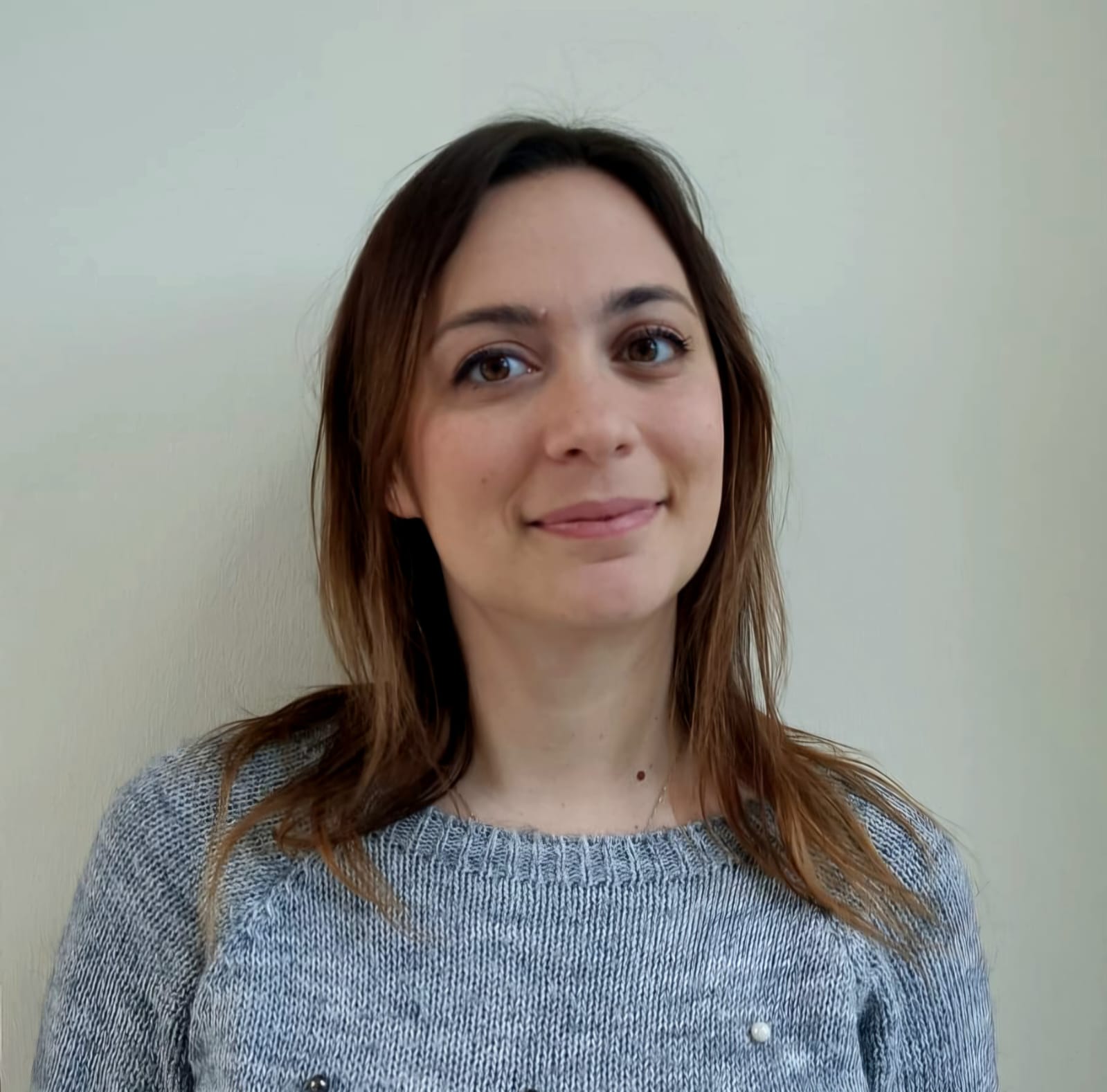
Rinaldi Alessia
I am an Industrial Biotechnologist specialising in the design and development of carbon-based
materials for sustainable and innovative applications. I obtained my Master's Degree in Industrial
Biotechnology from the University of Pavia in 2021, with a thesis in physical chemistry on drug
delivery of poorly soluble compounds through composite synthesis with hydroxyapatite and layered
double hydroxides (LDH). I then completed a PhD in Materials Science and Technologies at the
University of Parma in 2025, with a thesis entitled “Sustainable Carbon Materials Derived from
Biomass for Energy Storage Systems”. My doctoral research focused on the synthesis,
functionalisation, and physicochemical characterisation of biomass-derived carbon materials for
energy storage applications, including Sodium-ion batteries, supercapacitors, and hydrogen storage
systems. My main activities included the pre-treatment of biomass precursors, carbonisation and
chemical activation processes, and the systematic characterisation of the resulting materials, both
hard carbons and activated biochar, to correlate structural and surface properties with electrochemical
performance. I am currently a Postdoctoral Researcher at CNR NANOTEC, where my research
focuses on the functionalisation of carbon-based materials for a wide range of applications, including
the development of platforms for chemical and biological sensing, the study of neuronal cell sensing
activity, and the synthesis of composites for water remediation. I have built solid expertise in
advanced physicochemical characterisation techniques, including electron microscopy (TEM, SEM),
BET surface area analysis, X-ray diffraction (XRD), Raman spectroscopy, FT-IR, thermogravimetric
analysis (TGA), and electrochemical measurements.
Rinaldi Alessia
I am an Industrial Biotechnologist specialising in the design and development of carbon-based
materials for sustainable and innovative applications. I obtained my Master's Degree in Industrial
Biotechnology from the University of Pavia in 2021, with a thesis in physical chemistry on drug
delivery of poorly soluble compounds through composite synthesis with hydroxyapatite and layered
double hydroxides (LDH). I then completed a PhD in Materials Science and Technologies at the
University of Parma in 2025, with a thesis entitled “Sustainable Carbon Materials Derived from
Biomass for Energy Storage Systems”. My doctoral research focused on the synthesis,
functionalisation, and physicochemical characterisation of biomass-derived carbon materials for
energy storage applications, including Sodium-ion batteries, supercapacitors, and hydrogen storage
systems. My main activities included the pre-treatment of biomass precursors, carbonisation and
chemical activation processes, and the systematic characterisation of the resulting materials, both
hard carbons and activated biochar, to correlate structural and surface properties with electrochemical
performance. I am currently a Postdoctoral Researcher at CNR NANOTEC, where my research
focuses on the functionalisation of carbon-based materials for a wide range of applications, including
the development of platforms for chemical and biological sensing, the study of neuronal cell sensing
activity, and the synthesis of composites for water remediation. I have built solid expertise in
advanced physicochemical characterisation techniques, including electron microscopy (TEM, SEM),
BET surface area analysis, X-ray diffraction (XRD), Raman spectroscopy, FT-IR, thermogravimetric
analysis (TGA), and electrochemical measurements.
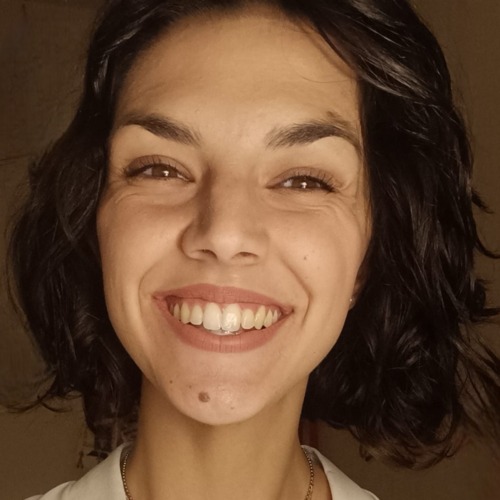
Robles Paola
In October 2025, I graduated with honors with a Master’s Degree in Biomedical Engineering from Politecnico di Torino, specializing in Bionanotechnologies. During my master’s thesis project, I developed a three-dimensional in vitro vascular model, gaining multidisciplinary expertise in biomaterial synthesis and characterization, scaffold fabrication through advanced manufacturing techniques such as 3D printing and electrospinning, as well as cell culture and biological assays for the evaluation of biomaterial performance and cellular responses.
Currently, I am a Research Fellow at the National Research Council of Italy – Nanotec in Lecce, where I work in the field of bioengineering and microfabrication applied to biomedical research. My research activity focuses on the design and development of advanced cell culture platforms through CAD modeling and rapid prototyping technologies, including 3D printing and CNC micro-milling, with the aim of creating innovative systems for biomedical applications.
Robles Paola
In October 2025, I graduated with honors with a Master’s Degree in Biomedical Engineering from Politecnico di Torino, specializing in Bionanotechnologies. During my master’s thesis project, I developed a three-dimensional in vitro vascular model, gaining multidisciplinary expertise in biomaterial synthesis and characterization, scaffold fabrication through advanced manufacturing techniques such as 3D printing and electrospinning, as well as cell culture and biological assays for the evaluation of biomaterial performance and cellular responses.
Currently, I am a Research Fellow at the National Research Council of Italy – Nanotec in Lecce, where I work in the field of bioengineering and microfabrication applied to biomedical research. My research activity focuses on the design and development of advanced cell culture platforms through CAD modeling and rapid prototyping technologies, including 3D printing and CNC micro-milling, with the aim of creating innovative systems for biomedical applications.
Sercia Laura
Cv loading..
Sergio Ilaria
Cv loading...
Siciliano Anna Chiara
Cv loading..
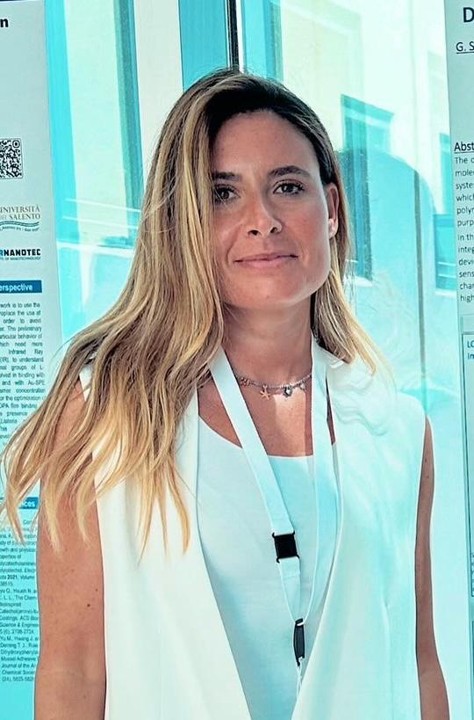
Siciliano Giulia
Dr. Giulia Siciliano received her Master’s Degree in Chemistry and attended her PhD in Nanotechnologies at the University of Salento. Currently working as a Postdoctoral Researcher at the Department of Experimental Medicine, University of Salento, her activity focuses on the development of advanced biosensors, lab-on-chip platforms, and molecularly imprinted polymer (MIP)-based technologies for liquid biopsy and precision medicine applications. In particular, her main research interest concerns the design of MIP-based ultrasensitive sensing platforms for the detection of disease-related biomarkers. Simultaneously, her research extends to the synthesis and functionalization of colloidal inorganic nanoparticles and hybrid nanostructures for biomedical applications, including targeted cancer therapy and dual-mode imaging. Her substantial contributions to the field are evident in several publications as author and co-author in high-impact international journals.
Siciliano Giulia
Dr. Giulia Siciliano received her Master’s Degree in Chemistry and attended her PhD in Nanotechnologies at the University of Salento. Currently working as a Postdoctoral Researcher at the Department of Experimental Medicine, University of Salento, her activity focuses on the development of advanced biosensors, lab-on-chip platforms, and molecularly imprinted polymer (MIP)-based technologies for liquid biopsy and precision medicine applications. In particular, her main research interest concerns the design of MIP-based ultrasensitive sensing platforms for the detection of disease-related biomarkers. Simultaneously, her research extends to the synthesis and functionalization of colloidal inorganic nanoparticles and hybrid nanostructures for biomedical applications, including targeted cancer therapy and dual-mode imaging. Her substantial contributions to the field are evident in several publications as author and co-author in high-impact international journals.
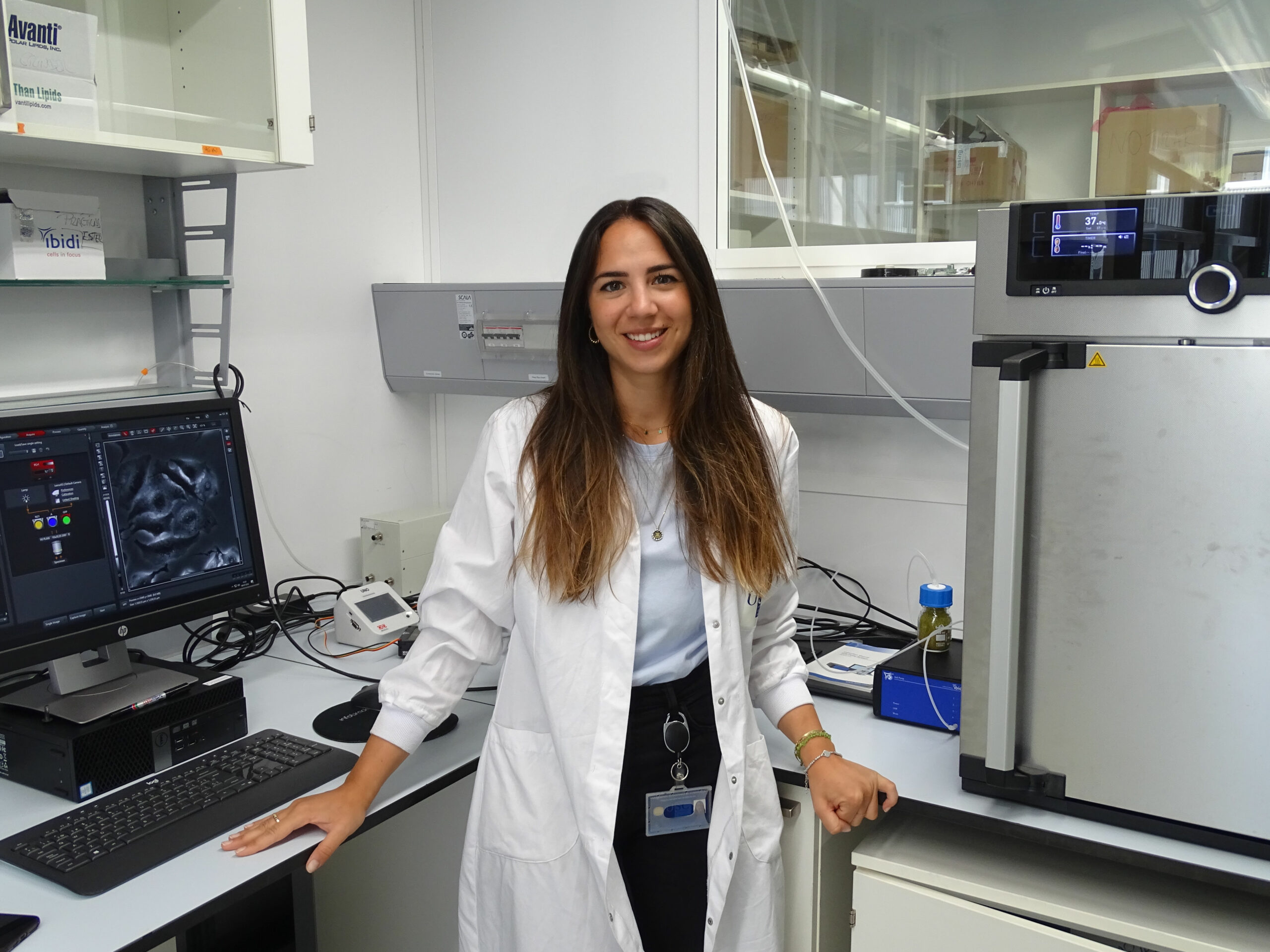
Soprano Enrica
Cv loading...
Tafuri Benedetta
Benedetta Tafuri is an expert in the field of neuroimaging, with experience in the development of artificial intelligence.
She graduated in Physics at the University of Salento in 2014. She became Doctor of Philosophy in Biomarkers of chronic and complex diseases at the University of Catanzaro in 2019. From 2016 to 2020 she collaborated with the University of Salento, as well as a private company, for the development of medical diagnosis support systems in the dermatological and oncological fields. Formerly a postdoctoral researcher at the University of Bari 'Aldo Moro', she is currently serving as an Assistant Professor at the Department of Engineering of Innovation, University of Salento, Lecce, Italy. In collaboration with Prof. Giancarlo Logroscino, she developes advanced radiomics-based MRI algorithms for rare neurodegenerative diseases, such as ALS and FTD, which outperform state-of-the-art morphometric models. She also serves as an AI expert for the Tecnomed Puglia project in collaboration with Prof. Giuseppe Gigli, focusing on the definition of new biomarkers and AI services for healthcare.
She has published more than 40 clinical and methodological works, also thanks to the collaboration with various research institutes.
Tafuri Benedetta
Benedetta Tafuri is an expert in the field of neuroimaging, with experience in the development of artificial intelligence.
She graduated in Physics at the University of Salento in 2014. She became Doctor of Philosophy in Biomarkers of chronic and complex diseases at the University of Catanzaro in 2019. From 2016 to 2020 she collaborated with the University of Salento, as well as a private company, for the development of medical diagnosis support systems in the dermatological and oncological fields. Formerly a postdoctoral researcher at the University of Bari 'Aldo Moro', she is currently serving as an Assistant Professor at the Department of Engineering of Innovation, University of Salento, Lecce, Italy. In collaboration with Prof. Giancarlo Logroscino, she developes advanced radiomics-based MRI algorithms for rare neurodegenerative diseases, such as ALS and FTD, which outperform state-of-the-art morphometric models. She also serves as an AI expert for the Tecnomed Puglia project in collaboration with Prof. Giuseppe Gigli, focusing on the definition of new biomarkers and AI services for healthcare.
She has published more than 40 clinical and methodological works, also thanks to the collaboration with various research institutes.
Vanoni Giulia
Cv loading..
Centonze Mattia
Cv loading...
D'amone Eliana
Cv loading..
D'amone Stefania
Cv loading...
Mangiullo Diego
Cv loading...
Tarantini Iolena
cv loading...
