
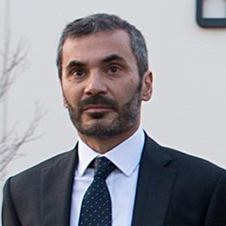
Giuseppe Gigli
Giuseppe Gigli received his degree in Physics with honors from the University of Rome “La Sapienza” in 1996 and earned a PhD in Physics in 1999 at the University of Lecce under the supervision of Prof. Roberto Cingolani. He subsequently worked at the Cavendish Laboratory, University of Cambridge, in the group of Prof. Richard Friend on polymer-based optoelectronic devices, and later at Linköping University (Sweden) with Prof. Olle Inganäs on soft nanotechnology processes for molecular materials. Since 2001 he has been with the University of Salento, where he became Full Professor of Physics in 2010.
Prof. Gigli founded and directed the CNR Nanotechnology Institute and currently holds several strategic roles in innovation and life sciences initiatives in Italy. His research focuses on nanotechnology, particularly the manipulation of organic, biological, and hybrid matter through bottom-up and top-down approaches. Main research areas include organic and hybrid optoelectronic devices, polaritonic systems for quantum and neuromorphic computing, liquid biopsy technologies, organ-on-chip systems, and non-viral vectors for drug and gene delivery.
He has authored more than 700 scientific publications (h-index 81; over 25,000 citations), including papers in high-impact journals such as Nature, Nature Materials, Nature Physics, Nature Photonics, and Nature Nanotechnology. He has coordinated numerous national and European research projects and industrial collaborations with leading companies and medical institutions, managing over €140 million in research funding in the last decade.
Strongly committed to innovation and technology transfer, Prof. Gigli holds more than 25 patents and co-founded two startups: Mediteknology, focused on biomedical devices for liquid biopsy, and Daunia Solar Cells, developing next-generation hybrid solar cells.
Giuseppe Gigli
Giuseppe Gigli received his degree in Physics with honors from the University of Rome “La Sapienza” in 1996 and earned a PhD in Physics in 1999 at the University of Lecce under the supervision of Prof. Roberto Cingolani. He subsequently worked at the Cavendish Laboratory, University of Cambridge, in the group of Prof. Richard Friend on polymer-based optoelectronic devices, and later at Linköping University (Sweden) with Prof. Olle Inganäs on soft nanotechnology processes for molecular materials. Since 2001 he has been with the University of Salento, where he became Full Professor of Physics in 2010.
Prof. Gigli founded and directed the CNR Nanotechnology Institute and currently holds several strategic roles in innovation and life sciences initiatives in Italy. His research focuses on nanotechnology, particularly the manipulation of organic, biological, and hybrid matter through bottom-up and top-down approaches. Main research areas include organic and hybrid optoelectronic devices, polaritonic systems for quantum and neuromorphic computing, liquid biopsy technologies, organ-on-chip systems, and non-viral vectors for drug and gene delivery.
He has authored more than 700 scientific publications (h-index 81; over 25,000 citations), including papers in high-impact journals such as Nature, Nature Materials, Nature Physics, Nature Photonics, and Nature Nanotechnology. He has coordinated numerous national and European research projects and industrial collaborations with leading companies and medical institutions, managing over €140 million in research funding in the last decade.
Strongly committed to innovation and technology transfer, Prof. Gigli holds more than 25 patents and co-founded two startups: Mediteknology, focused on biomedical devices for liquid biopsy, and Daunia Solar Cells, developing next-generation hybrid solar cells.
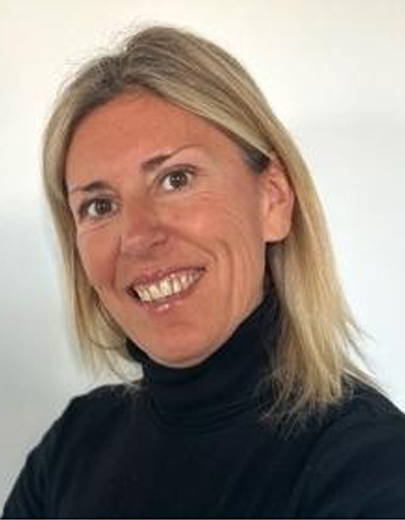
Francesca Gervaso
CV loading...
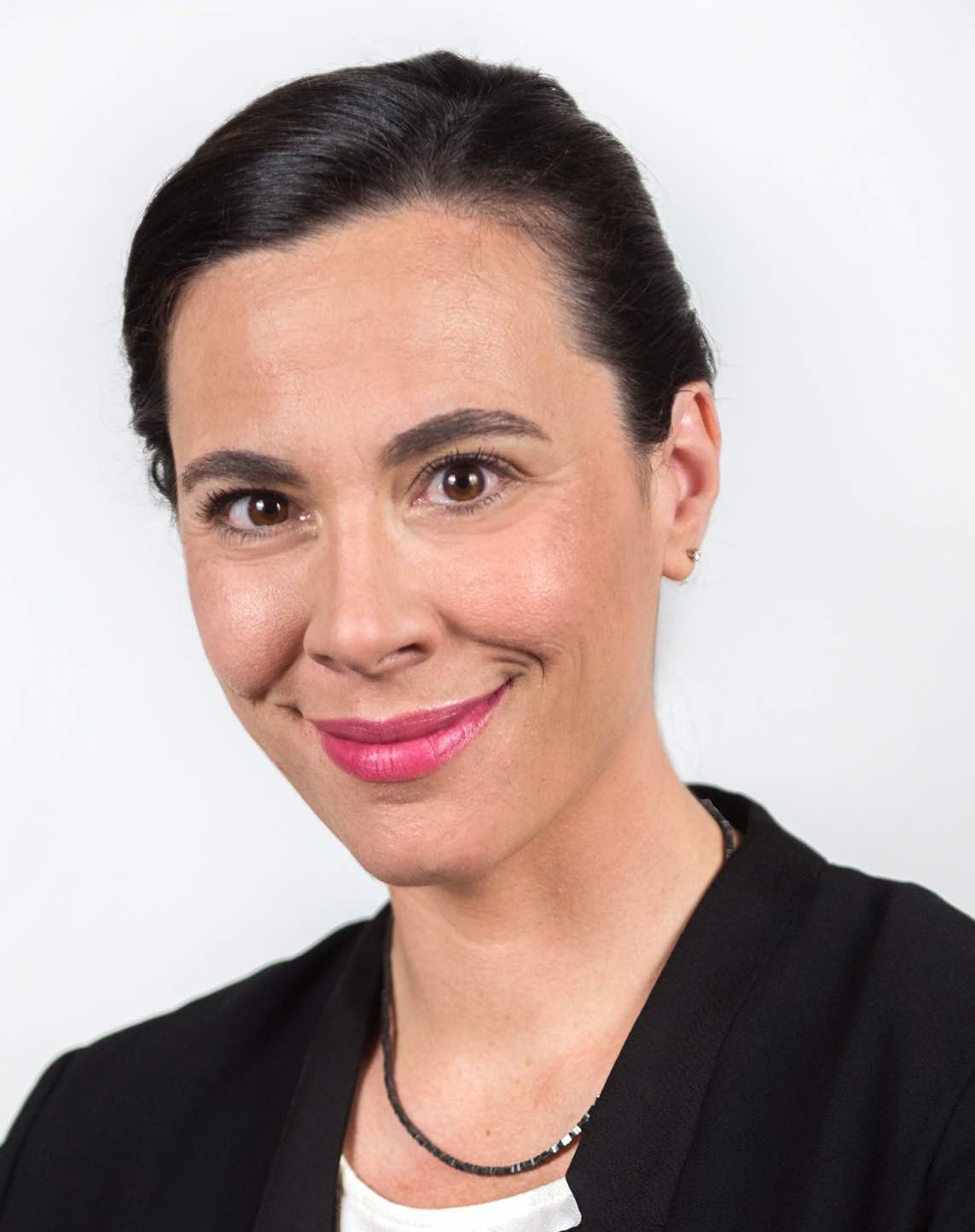
Loretta L. Del Mercato
Loretta L. Del Mercato
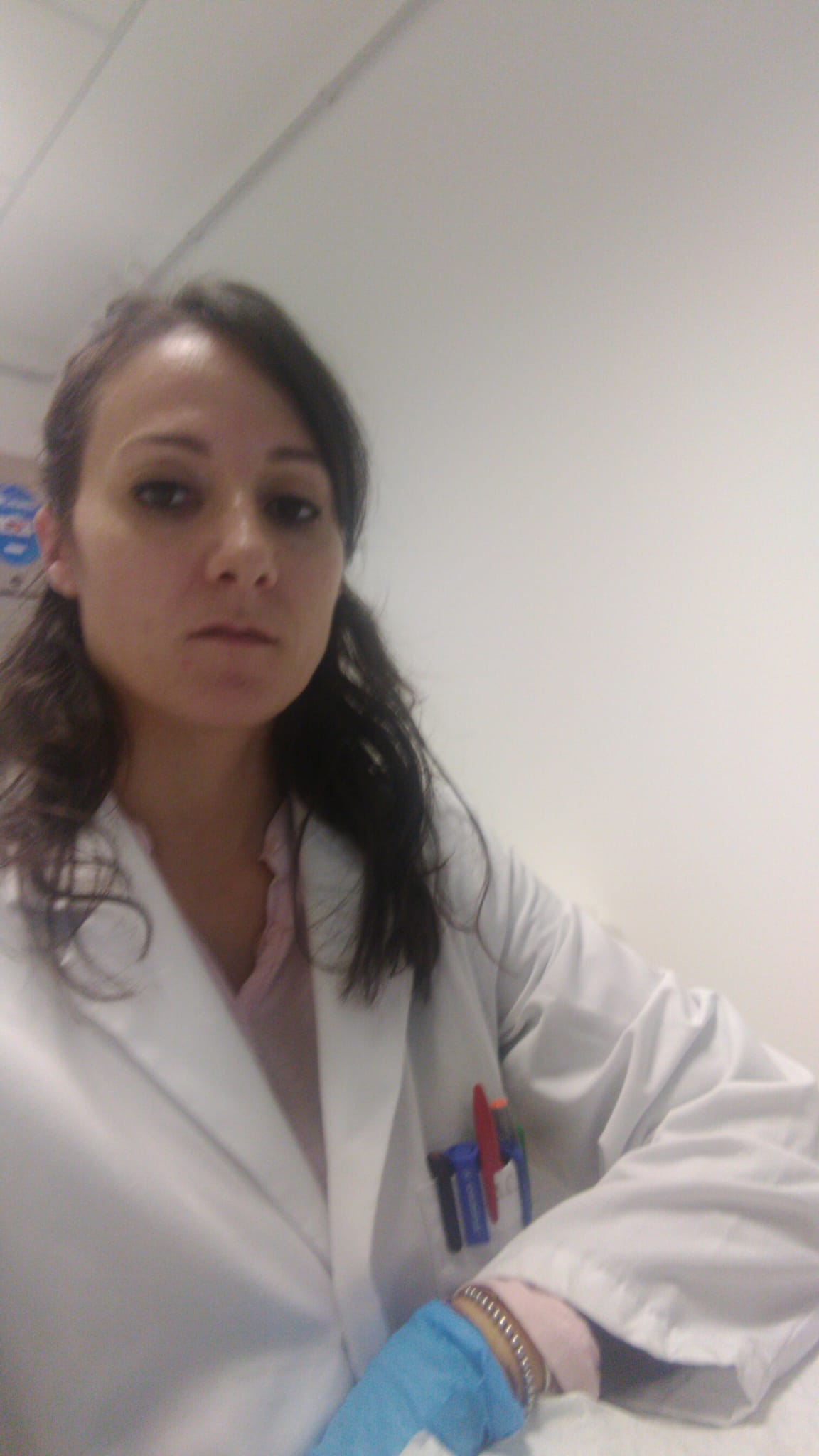
Ilaria Palamà
Ilaria Elena Palamà is a senior permanent researcher at CNR-NANOTEC in Lecce, with several years’ research experience in nanotechnology with an emphasis on Nanoparticles (NPs) for gene/drug delivery in cancer. She received a Master's Degree in Medical Biotechnology and Molecular Medicine from the University of Bari (2008) and a PhD in Smart System and Technology-Nanoscience, with honours, from Salento University (Lecce, 2012). For her research activity, she has been awarded with several national and international prizes. She has participated in active collaborations with other local, national and international research groups.
Ilaria Palamà
Ilaria Elena Palamà is a senior permanent researcher at CNR-NANOTEC in Lecce, with several years’ research experience in nanotechnology with an emphasis on Nanoparticles (NPs) for gene/drug delivery in cancer. She received a Master's Degree in Medical Biotechnology and Molecular Medicine from the University of Bari (2008) and a PhD in Smart System and Technology-Nanoscience, with honours, from Salento University (Lecce, 2012). For her research activity, she has been awarded with several national and international prizes. She has participated in active collaborations with other local, national and international research groups.
Viviana Vergaro
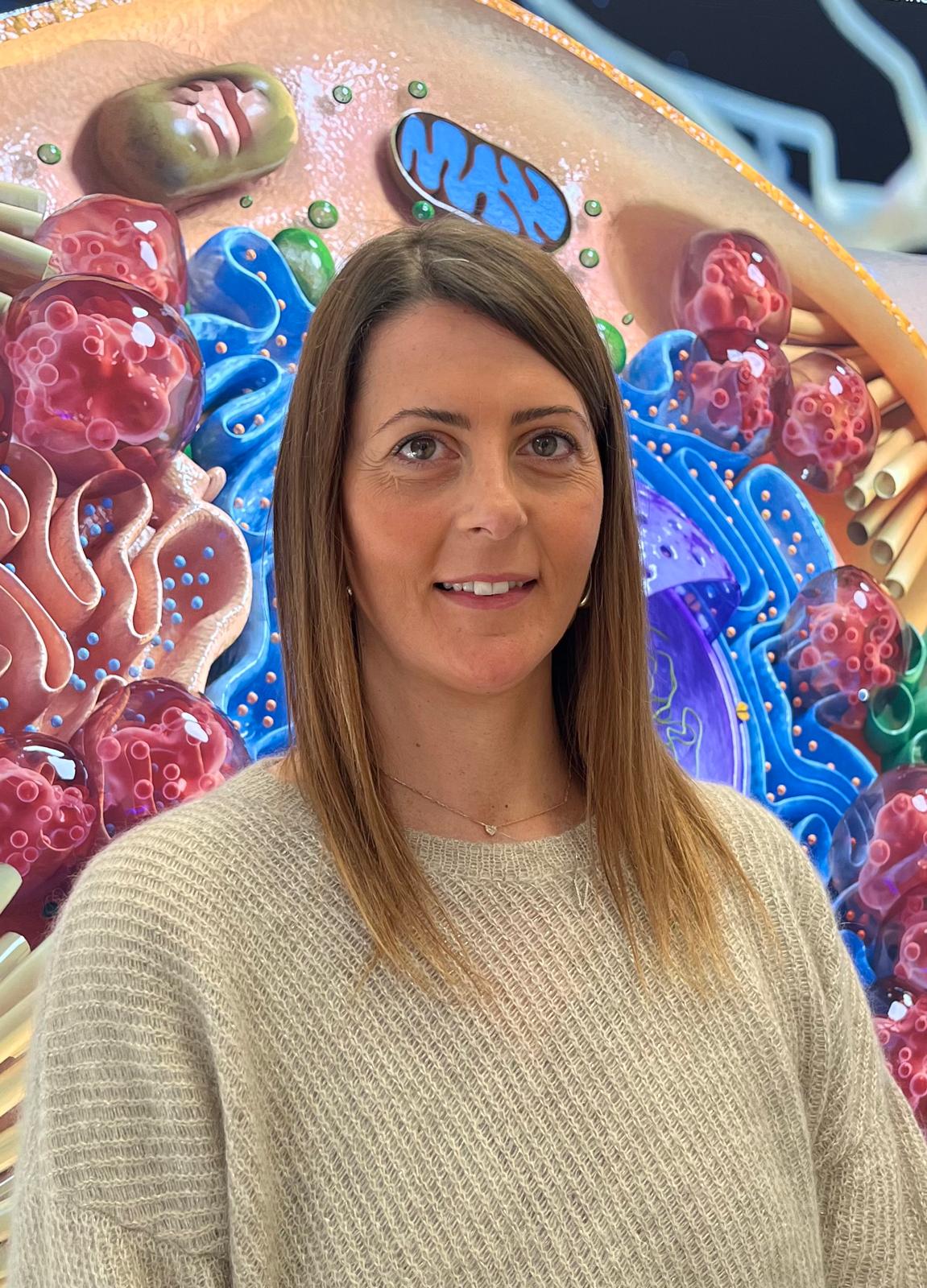
Viviana Vergaro, Ph.D. is Associate Professor in Chemistry at the University of Salento, Department of Experimental Medicine. Her research activity is actuated focused on experimental activity concerning synthesis and biological validation of new organic and inorganic nanomaterials for nanomedicine and nanoagrochemicals as well as the investigation of their functional properties.
The activities include the identification of new drug designs (above all metal-based drug, as DNA intercalating agents for cancer therapy) and therapeutic strategies using inorganic or organic stimuli responsive nanoparticles for the controlled release. These studies involve both ultrastructural investigations (SEM and TEM), or chemical analysis for studying different functionalizations of materials (FTIR, XRD, etc.). and a careful evaluation of the toxicological profile and biological effect of the new materials, using in vitro 3D cellular models, to better mimic the characteristics of the tumor microenvironment in vivo.
This activity is well documented by over 40 scientific publications in peer-reviewed journals, 1 European patent and various communications at international conferences.
Viviana Vergaro
Viviana Vergaro, Ph.D. is Associate Professor in Chemistry at the University of Salento, Department of Experimental Medicine. Her research activity is actuated focused on experimental activity concerning synthesis and biological validation of new organic and inorganic nanomaterials for nanomedicine and nanoagrochemicals as well as the investigation of their functional properties.
The activities include the identification of new drug designs (above all metal-based drug, as DNA intercalating agents for cancer therapy) and therapeutic strategies using inorganic or organic stimuli responsive nanoparticles for the controlled release. These studies involve both ultrastructural investigations (SEM and TEM), or chemical analysis for studying different functionalizations of materials (FTIR, XRD, etc.). and a careful evaluation of the toxicological profile and biological effect of the new materials, using in vitro 3D cellular models, to better mimic the characteristics of the tumor microenvironment in vivo.
This activity is well documented by over 40 scientific publications in peer-reviewed journals, 1 European patent and various communications at international conferences.
Flora Guerra
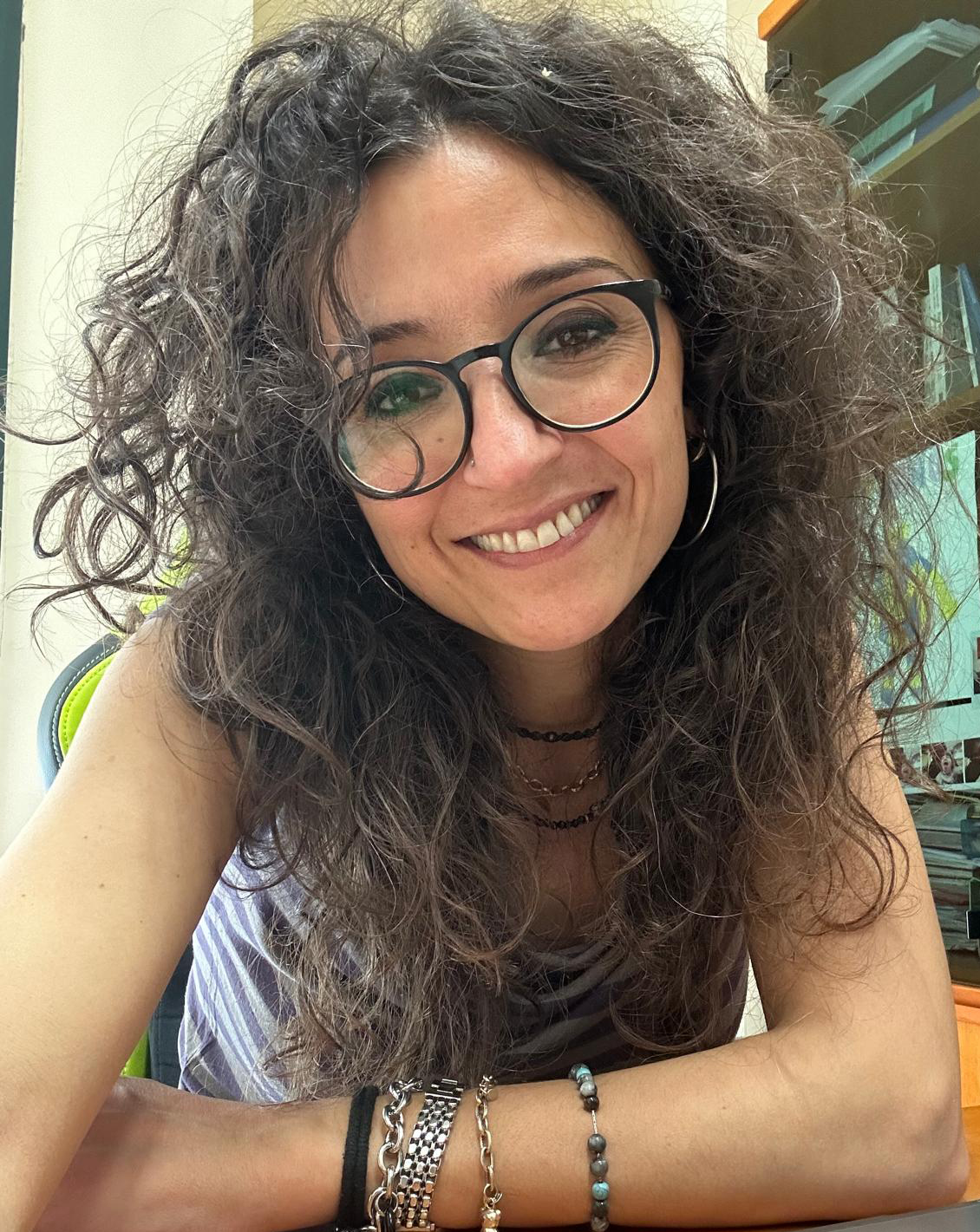
Flora Guerra is Associate Professor of Cell and Experimental Biology at DiSTeBA, University of
Salento, where she researches mitochondrial biology, cellular metabolism, extracellular vesicles, and
inter-organelle communication in cancer and neurodegenerative diseases.
She obtained a PhD in Biochemistry, Molecular Biology, and Bioinformatics from the University of
Bari in 2011. Subsequently, she completed postdoctoral training at the University of Bologna and the
University of Salento. Her research focuses on mitochondrial dysfunction, endo-lysosomal
trafficking, chemoresistance, and the role of extracellular and mitochondria-derived vesicles in cancer
progression and therapeutic response.
Prof Guerra has coordinated and participated in several nationally funded research projects and has
established collaborations with leading institutions across Europe and the United States. She is a
teacher in Cell Biology and Advanced Biological Technologies in medical, biotechnology, and life
sciences degree programs.
She serves as Departmental Delegate for Research, member of the PhD Board in Nanotechnology,
and member of several academic committees at the University of Salento. She is also actively
involved in editorial activities as Editor, Review Editor, Guest Editor, and reviewer for numerous
international scientific journals.
Her achievements have been recognized through competitive fellowships from AIRC and the
Umberto Veronesi Foundation, inclusion in the Stanford/Elsevier World’s Top 2% Scientists ranking,
and the University of Salento award for the most productive researcher.
Flora Guerra
Flora Guerra is Associate Professor of Cell and Experimental Biology at DiSTeBA, University of
Salento, where she researches mitochondrial biology, cellular metabolism, extracellular vesicles, and
inter-organelle communication in cancer and neurodegenerative diseases.
She obtained a PhD in Biochemistry, Molecular Biology, and Bioinformatics from the University of
Bari in 2011. Subsequently, she completed postdoctoral training at the University of Bologna and the
University of Salento. Her research focuses on mitochondrial dysfunction, endo-lysosomal
trafficking, chemoresistance, and the role of extracellular and mitochondria-derived vesicles in cancer
progression and therapeutic response.
Prof Guerra has coordinated and participated in several nationally funded research projects and has
established collaborations with leading institutions across Europe and the United States. She is a
teacher in Cell Biology and Advanced Biological Technologies in medical, biotechnology, and life
sciences degree programs.
She serves as Departmental Delegate for Research, member of the PhD Board in Nanotechnology,
and member of several academic committees at the University of Salento. She is also actively
involved in editorial activities as Editor, Review Editor, Guest Editor, and reviewer for numerous
international scientific journals.
Her achievements have been recognized through competitive fellowships from AIRC and the
Umberto Veronesi Foundation, inclusion in the Stanford/Elsevier World’s Top 2% Scientists ranking,
and the University of Salento award for the most productive researcher.
CV loading...
CV loading...
Alessandra Valleri
With a degree in Biology and Business Administration, she joined the CNR (Nanotec) in Lecce in 2018, where she joined the administrative office, gaining extensive experience in general accounting, credit and debit cycles, and personnel recruitment.
She is skilled at optimizing office processes and is problem-solving and team-oriented.
In 2023, she moved to the CNR-IRSA in Taranto, where she took on the role of administrative manager. She continues to collaborate closely with the CNR-NANOTEC and the Tecnomed Puglia center, performing administrative tasks and coordinating the management secretariat.
Alessandra Valleri
With a degree in Biology and Business Administration, she joined the CNR (Nanotec) in Lecce in 2018, where she joined the administrative office, gaining extensive experience in general accounting, credit and debit cycles, and personnel recruitment.
She is skilled at optimizing office processes and is problem-solving and team-oriented.
In 2023, she moved to the CNR-IRSA in Taranto, where she took on the role of administrative manager. She continues to collaborate closely with the CNR-NANOTEC and the Tecnomed Puglia center, performing administrative tasks and coordinating the management secretariat.
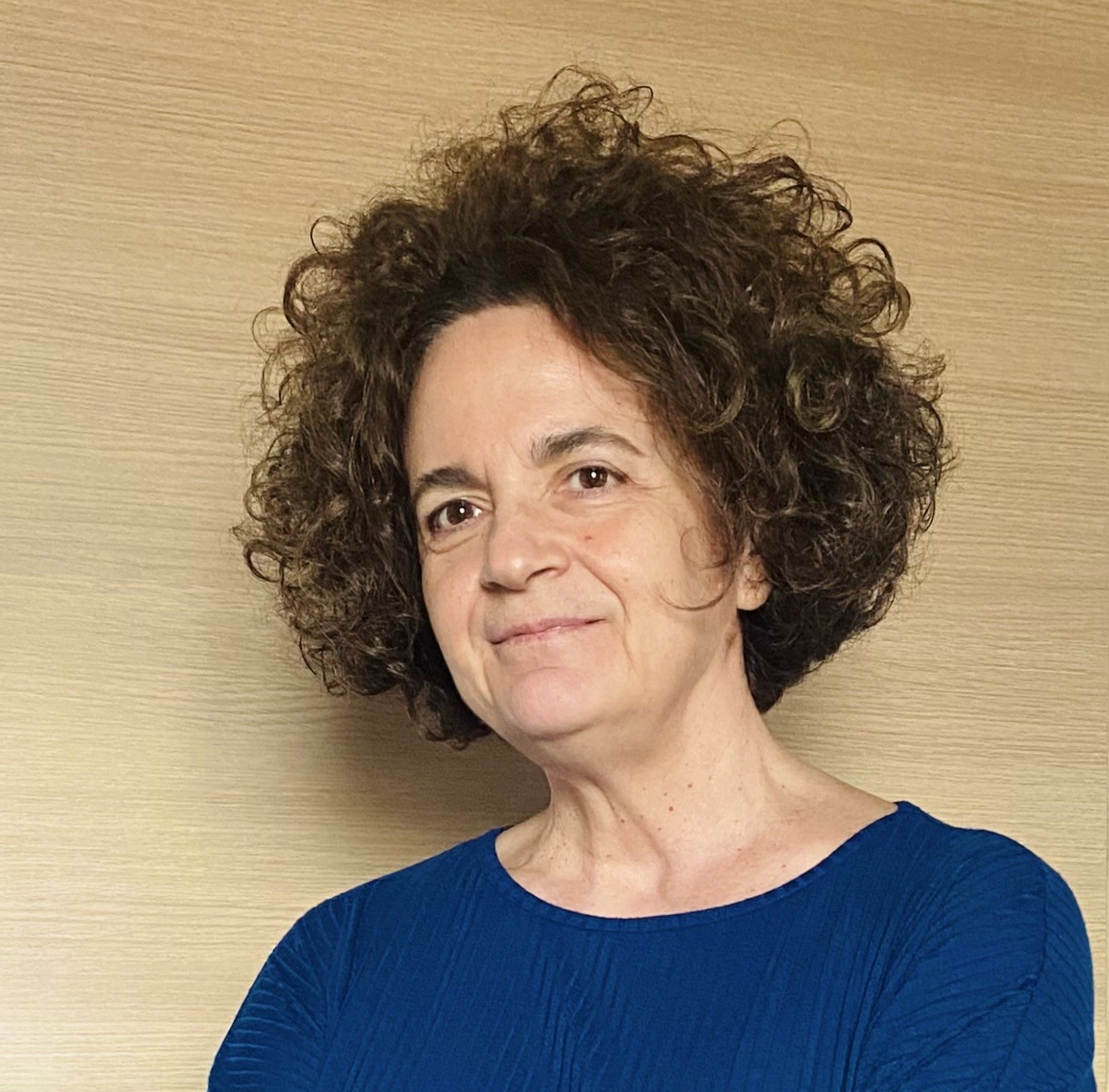
Gabriella Zammillo
With a background in Mathematics, Gabriella Zammillo has developed her professional path in the field of research communication and knowledge valorisation, at the intersection of science, culture, and society.
After earning a degree in Mathematics from the University of Salento, she focused on scientific dissemination and education, aiming to promote science as a shared language and a space for dialogue among disciplines, knowledge systems, and society.
In 2003, at the University of Salento, she launched the interdisciplinary project “Permanent Seminar: Mathematics as a Science Without Borders”, which she coordinated until 2009, contributing to its establishment as a recognised forum for exchange among the scientific community, academic disciplines, and the wider public.
In 2009, she joined the CNR – Institute of Nanoscience, where she developed activities in communication and knowledge valorisation in the nano-bio field, contributing to the dissemination of research results and to the strengthening of the dialogue between research and society.
Since 2015, she has been Communication & Outreach Manager at CNR-Nanotec in Lecce, where she coordinates institutional communication, scientific dissemination, and public engagement activities focused on the frontiers of research, with particular attention to nanotechnologies and precision medicine. Alongside these activities, she participates in national and European research projects, contributing to knowledge dissemination, transfer activities, and the development of relationships with the scientific community, institutions, and local stakeholders.
Her work is guided by a vision of research as a common good, whose value is fully realised when knowledge becomes accessible, shared, and capable of generating cultural, social impact and innovation.
Gabriella Zammillo
With a background in Mathematics, Gabriella Zammillo has developed her professional path in the field of research communication and knowledge valorisation, at the intersection of science, culture, and society.
After earning a degree in Mathematics from the University of Salento, she focused on scientific dissemination and education, aiming to promote science as a shared language and a space for dialogue among disciplines, knowledge systems, and society.
In 2003, at the University of Salento, she launched the interdisciplinary project “Permanent Seminar: Mathematics as a Science Without Borders”, which she coordinated until 2009, contributing to its establishment as a recognised forum for exchange among the scientific community, academic disciplines, and the wider public.
In 2009, she joined the CNR – Institute of Nanoscience, where she developed activities in communication and knowledge valorisation in the nano-bio field, contributing to the dissemination of research results and to the strengthening of the dialogue between research and society.
Since 2015, she has been Communication & Outreach Manager at CNR-Nanotec in Lecce, where she coordinates institutional communication, scientific dissemination, and public engagement activities focused on the frontiers of research, with particular attention to nanotechnologies and precision medicine. Alongside these activities, she participates in national and European research projects, contributing to knowledge dissemination, transfer activities, and the development of relationships with the scientific community, institutions, and local stakeholders.
Her work is guided by a vision of research as a common good, whose value is fully realised when knowledge becomes accessible, shared, and capable of generating cultural, social impact and innovation.
