

Arima Valentina
CV is loading..
Baldari Clara
CV is loading..
Bisconti Francesco
CV is loading..
Cedola Alessia
CV is loading..
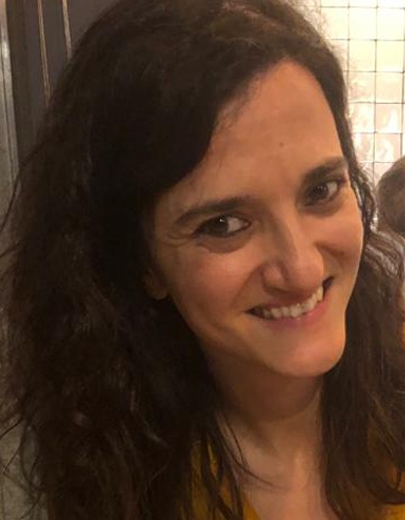
Chiriacò Maria Serena
Maria Serena Chiriacò (1984) gained her master degree cum laude in Human Biology in 2008 at Università del Salento; from May 2009 to June 2012, she attained her PhD on the “Smart Systems and Technologies” course at Università del Salento, Scuola Superiore ISUFI, Lecce, at the end of which she discussed her PhD thesis entitled “Protein EIS biosensors for on-chip diagnostics”.
Currently, she works as a permanent Senior Researcher at Nanotec Lecce. She gained high-level experience in the field of Lab-On-Chip devices for on-field diagnostics. Her skills vary from the design, fabrication and applications of electrochemical sensors to microfluidics and on-chip pre-treatments of biological samples, as confirmed by the publication of valuable papers in the field. The biological applications of the developed microfluidic and sensing platforms range from diagnostic tools to study biorecognition events (antigen/antibody, cell–cell, aptamer-antigen) to the detection of allergens or toxins, to the on-chip separation and sorting of biological objects and extracellular vesicles. She also has expertise in optical, laser and soft lithography and in employing photosensitive polymeric materials for microfluidic applications. She acquired skills in the realization of tools for the analysis of extracellular vesicles and in particular their sorting and entrapment on specifically-functionalized biochip. In 2019, she has been Principal investigator in SMILE Project (H2020 – EU Attract Program) in collaboration with STMicroelectronics and Unit Responsible in a PRIN2017 Project, both dealing with the realization of on-chip diagnostic tools. Recently (2020-2023), she led a Work Package of TITAN Project (Tumor ImmunoTherApy by Nanotechnology) dealing with the integration of microfluidic and sensing tools into lab-On-Chips for high-quality CAR-T cells production. Currently, she is the PI of a PRIN2022 Project (RESOLVE – innovative platfoRm based on fiEld-flow-fractionation and Sample On-chip detection to unravel extraceLlular Vesicles hEterogeneity) in collaboration with University of Bologna and Ospedale San Raffaele.

Clabassi Elena
CV loading..
Colombelli Adriano
CV loading..
Corallo Gaia
CV loading..
Cortese Barbara
CV loading..
Cuscunà Massimo
CV loading..
De Cillis Alfredo
CV loading..
De Giorgi Alessandro
CV loading..
De Luca Elisa
CV loading..
Del Mercato Loretta
CV loading..
Esposito Marco
CV loading..
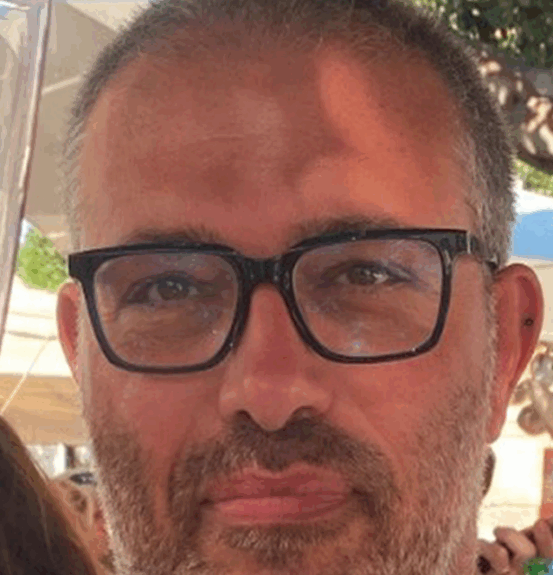
Ferrara Francesco
Francesco Ferrara is a senior researcher at CNR Institute of Nanotechnology. From 2004 to 2022 he was application engineer at System Research & Applications (SRA) group of STMicroelectronics. MSc in microelectronics engineering at Polytechnic University of Bari (IT) and PhD in biomolecular nanotechnology at University of Salento (IT). From 2004 to 2010 he worked on the first diagnostic platform based on disposable silicon chip for molecular testing in ST microfluidic business unit. Since 2010 he is part Silicon Biotech group and he work on new disposable Real-Time PCR platform for molecular diagnosis with integrated sample preparation device. Expert in cleanroom fabrication, optoelectronics and microfluidics, he is involved in national and European funding projects in the field of new generation technologies for healthcare.
Foscarini Alessia
CV loading..
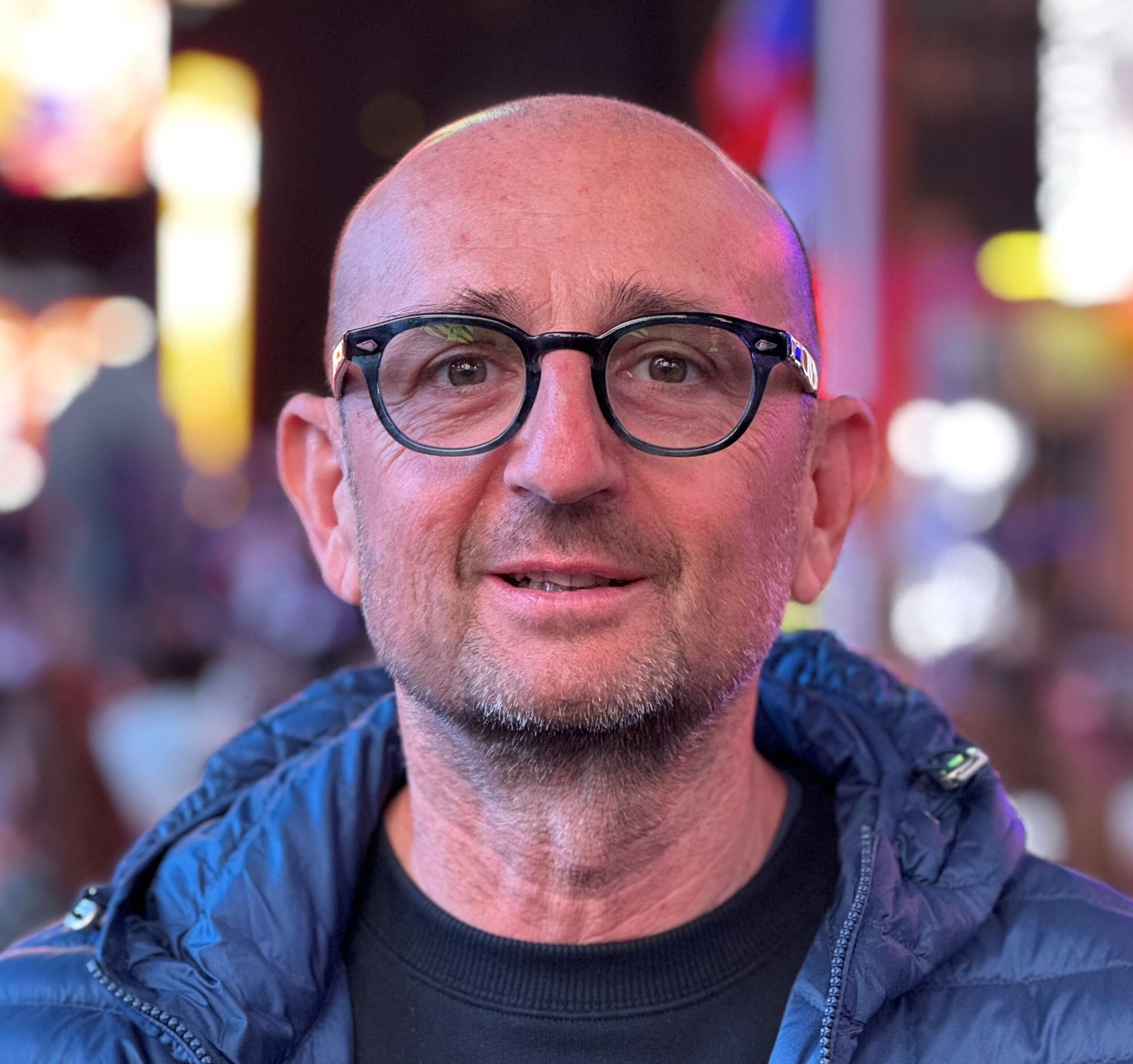
Gaballo Antonio
Antonio Gaballo is permanent Senior Researcher at the Institute of Nanotechnology, National Research Council (CNR), Lecce. He holds a PhD in Biochemistry and Biology and a medical specialization in Clinical Biochemistry and Chemistry.
From 2001 to 2013, Antonio Gaballo served as a researcher at the Institute of Biomembranes and Bioenergetics in Bari (CNR-IBBE, now IBIOM) where he worked on biochemical and molecular mechanisms of energy conservation in bacteria of industrial relevance and mitochondria as well as on mitochondrial bioenergetics in certain forms of familial Parkinson’s disease. In 2013, he moved to the Institute of Nanotechnology (CNR Nanotec) based in Lecce. At CNR Nanotec, Dr. Gaballo initiated research on the relationship between solid tumors and their microenvironment, with a particular focus on the mechanisms underlying metastasis formation. His work is actually concentrated on the regulation of epithelial–mesenchymal transition (EMT), especially in response to changes in the surrounding microenvironment. He has coordinated nationally funded projects on bacterial genomics and bioenergetics (MUR-FAR DM23154, 2010-2013) and on advanced therapeutic strategies and drug delivery systems (Regione Puglia, project SISTEMA, 2015-2017). Dr. Gaballo has held academic teaching roles at the University of Bari and supervised numerous graduate and doctoral researchers
Galeone Antonio
CV loading..
Garzarelli Valeria
CV loading..
Gervaso Francesca
CV loading..
Gigli Giuseppe
CV loading..
Guarino Vita
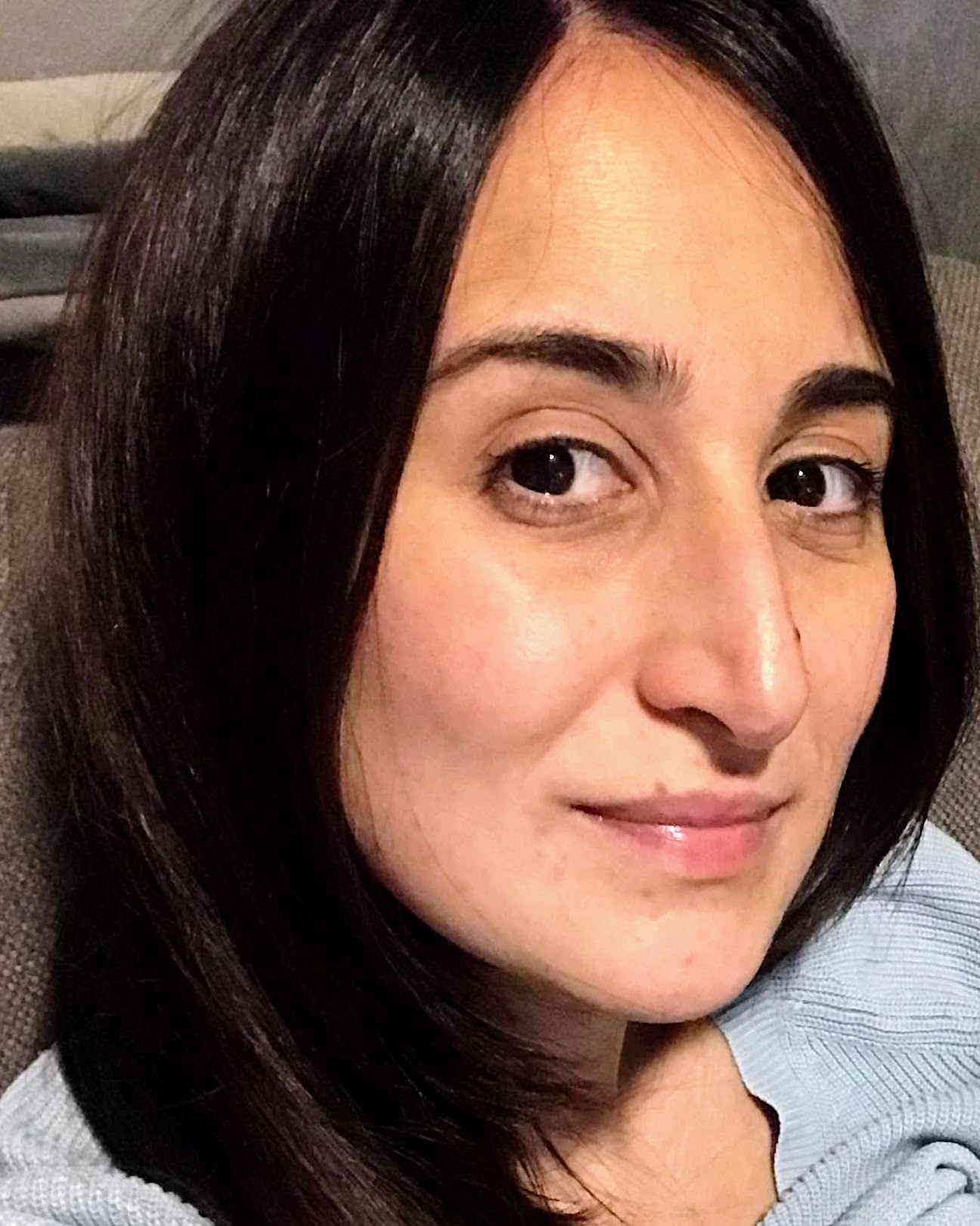
Vita Guarino earned her Bachelor’s degree in Biotechnology (2009) and Master’s degree in Industrial Biotechnology (2011) from the University of Salento.
From 2013 to 2015, she completed advanced training in innovation and entrepreneurship through the “Activating MAAT” program, focusing on molecular nanotechnology for health and environmental applications, business planning, and technology transfer. In 2015, she was awarded the “Valore Assoluto 3.0” grant from the Chamber of Commerce of Bari, which enabled her to co-found the biotech startup Clover Therapeutics Srl in 2016. In this role, she led the development of drug delivery systems based on electrospun silk fibroin nanofibers, resulting in a patented technology, and gained extensive experience in technology transfer and startup management.
In 2017, she further strengthened her business expertise through a postgraduate program in export management with the Italian Trade Agency. In 2018, she gained international experience as a Trade Analyst at the Italian Trade Agency in Stockholm, supporting Italian SMEs in Northern Europe and facilitating business expansion in the life sciences and high-tech sectors.
From 2019 to 2022 (including five months of maternity leave), Dr. Guarino completed her PhD in Nanotechnology at the University of Salento, focusing on the development of Organ-on-Chip devices to model vascular-tissue barriers, under the supervision of Prof. Giuseppe Gigli, with co-supervision by Dr. Valentina Arima and Prof. Lorenzo Moroni (Maastricht University).
Her research experience also includes positions at CNR IMM (2022–2023) and CNR NANOTEC (2024), where she worked on dynamic co-culture protocols on chips, endotoxin-free microfluidic devices, and the integration of biosensors into microfluidic systems.
She is currently a Senior Postdoctoral Research Fellow at the Department of Experimental Medicine, University of Salento, developing advanced microfluidic platforms for precision medicine, with a particular focus on Organ-on-Chip systems and 3D cerebral microvessel modeling.
Dr. Guarino’s work lies at the intersection of microfluidics, biotechnology, and nanotechnology, aiming to develop cutting-edge experimental tools to study cerebral vasculogenesis, angiogenesis, and the blood-brain barrier, with applications in neuroscience, oncology, and precision medicine. Her combination of scientific expertise and entrepreneurial experience enables her to bridge research, technology development, and translational innovation.
Iaia Antonella
CV loading..
Leporatti Stefano
CV loading..

Loiola Clarissa
Clarissa Loiola, with a master’s degree in biotechnogies from university of Modena, bring a hands-on experience in cell culture and molecular biology. Most recentIy, she focused her research on identification and analysis of biomarker from various biological fluids, particularly in neurodegenerative diseases, like Alzheimer’s disease translating molecular research into clinical practice. Moreover , her research aims at identifying potential post-traslational modifications that might be implicated in pathologic mechanisms.
Maiorano Gabriele
CV loading..
Malerba Francesca
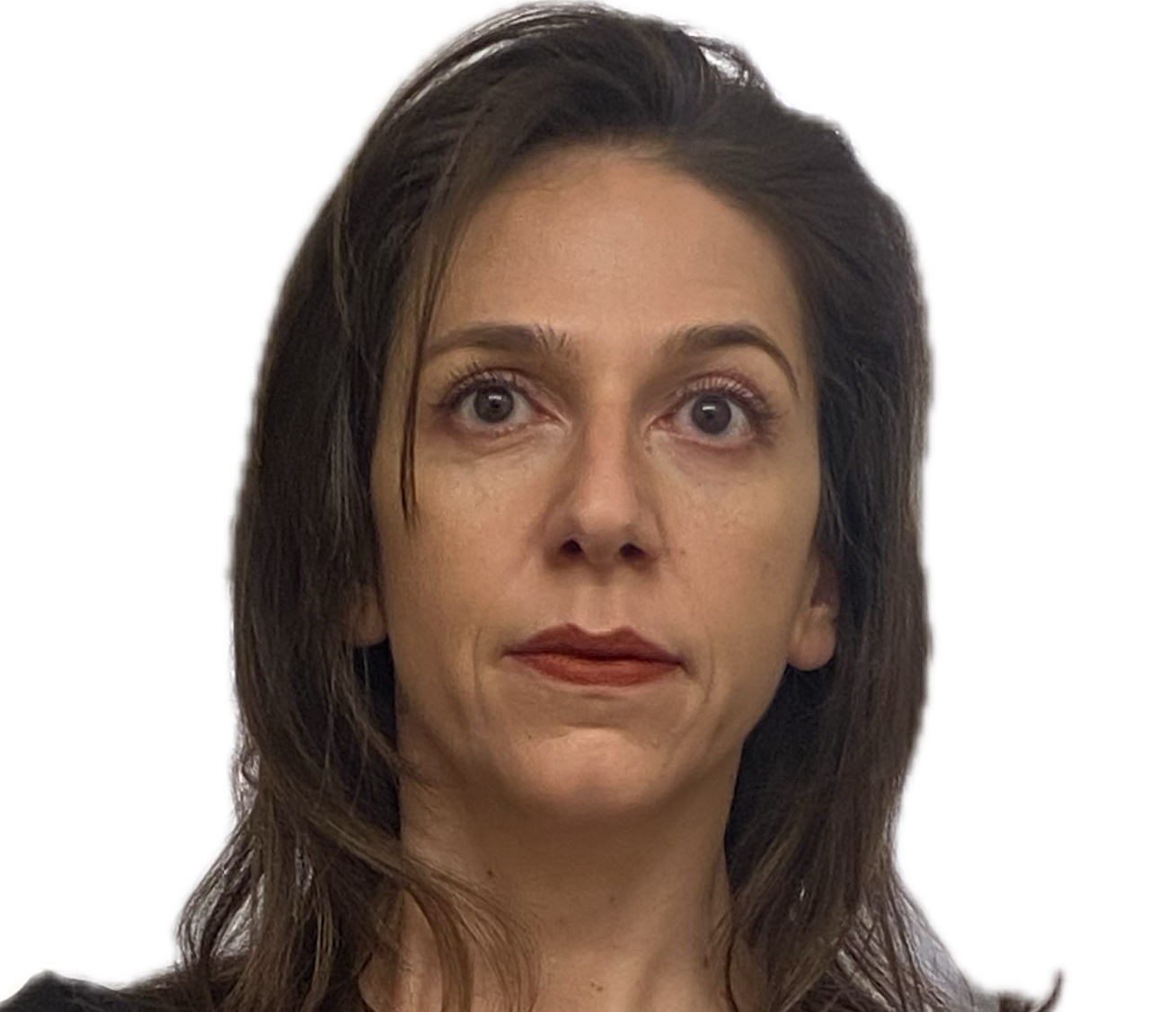
Francesca Malerba, PhD, is a protein biochemist with expertise in biomarker discovery for neurodegenerative diseases. Her research focuses on developing and validating innovative assays for fluid biomarkers, with a particular interest in proNGF/NGF and their role in Alzheimer’s and related disorders. She has contributed to the establishment of a patented immunoassay for proNGF in cerebrospinal fluid, demonstrating its potential to improve diagnostic accuracy. Beyond biomarker validation, she has also worked on the development of NGF-based therapeutics, exploring applications in neurology and ophthalmology. Her scientific career is marked by interdisciplinary collaborations and a translational perspective, aiming to connect basic science with clinical needs. In addition to her research, she is active in science communication, promoting dissemination events and contributing to publications such as books, brochures, and comics for the general public.
Marra Gian Paolo
CV loading..
Menon Ilaria
CV loading..
Anna Rita Migliaccio
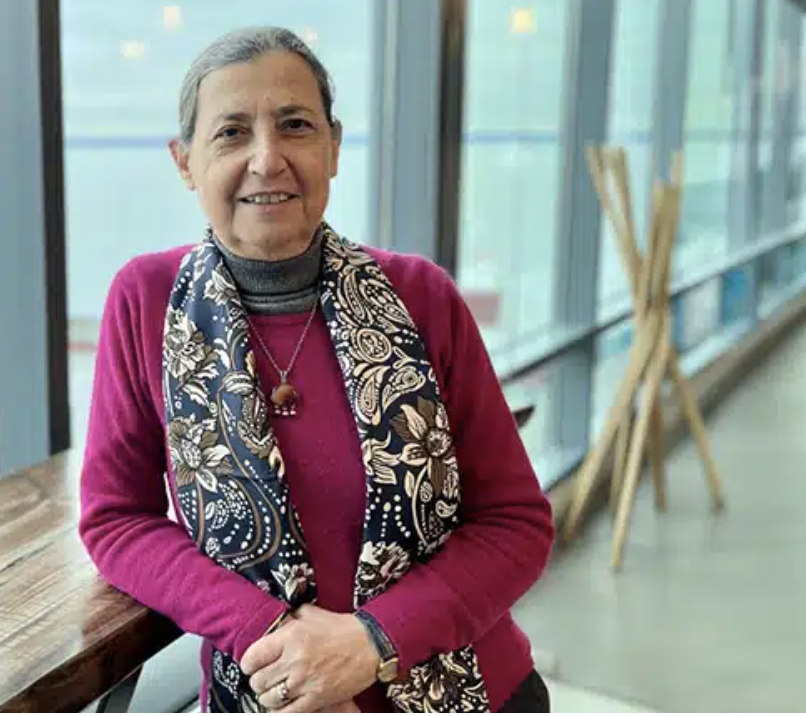
Dr. Migliaccio holds degrees in Biological Sciences and in Natural Science from the University of Naples, Naples – Italy and has been trained at serious prestigious institutions such as the TNO Institute for Radiobiological Research, Rijswijk – The Netherlands, and the Department of Hematology, University of Washington – Seattle, WA.
She has been: Co-director of the Hematopoietic Growth Factor laboratory of the New Blood Center – New York, NY; Director for Research in Transfusion Medicine, Istituto Superiore Sanità – Rome, Italy; Professor of Medicine at the Ichan School of Medicine at Mount Sinai – Mount Sinai, New York, NY; “Chiara Fama” Professor of Istology and Embryology, Alma Mater University of Bologna – Bologna, Italy.
She currently holds a joint position as Senior Investigator of the Altius Institute for Biomedical Sciences – Seattle, WA.
Dr. Migliaccio is internationally recognized for her work in experimental hematology on the mechanisms that regulate fate decisions of the hematopoietic stem cells and how these mechanisms are altered in congenital and acquired diseases. Her laboratory made seminal discoveries on the changes in the property of the hematopoietic stem cells during ontogenesis and aging that pioneered studies on cord blood as a source of hematopoietic stem cells for transplantation and on the pathobiology of hemoglobinopathies and myeloproliferative disorders.
Dr. Migliaccio serves as Associated Editor/Editor in chief of several scientific journals and is member of relevant national (NIH) and international (European Community) study sections.
Dr. Migliaccio has published over 215 scientific papers, H-index = 43 and 12,366 total citations (Scopus 2025).
Palamà Ilaria Elena
CV loading..
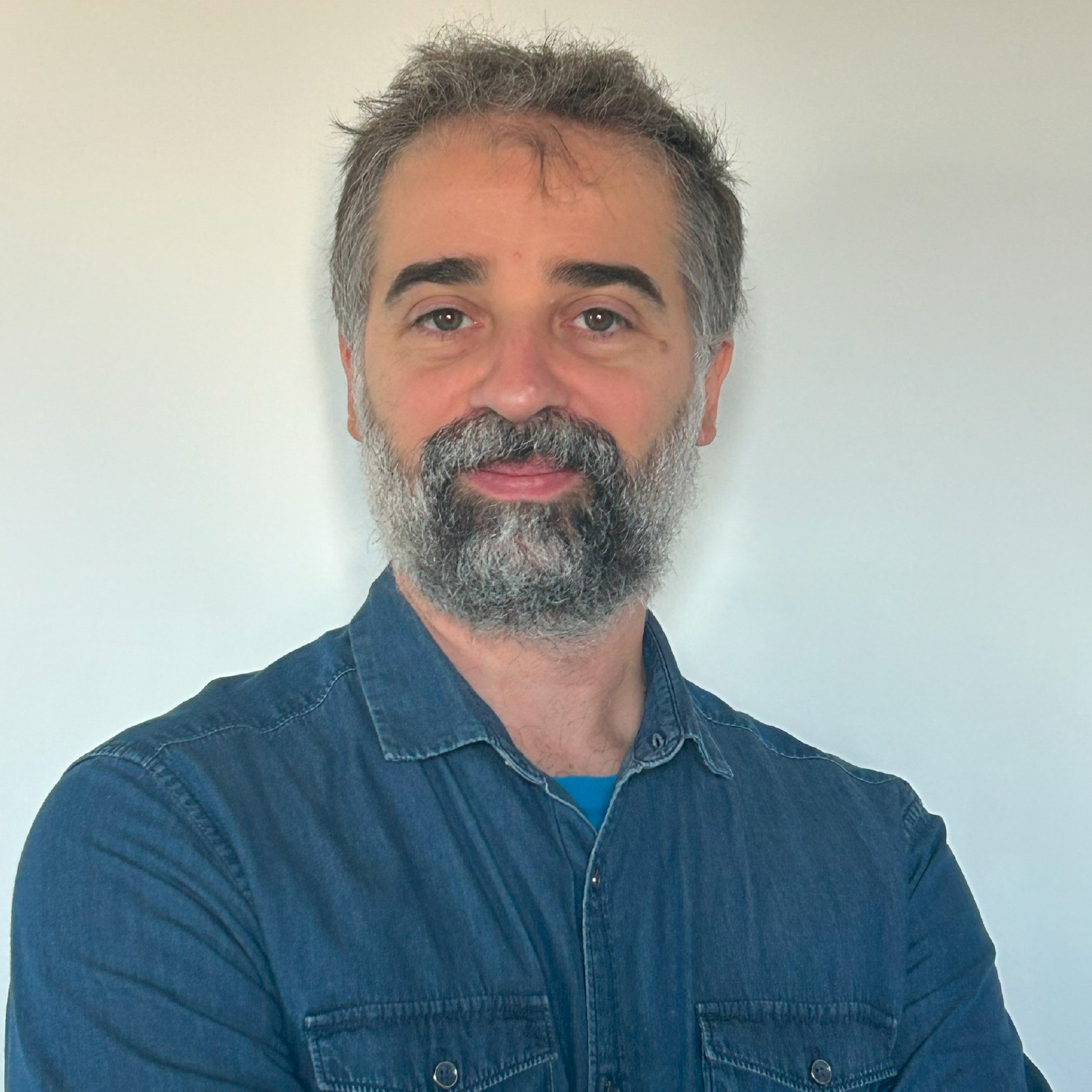
Polini Alessandro
Alessandro Polini is a Researcher at the Institute of Nanotechnology CNR-NANOTEC, IT. He has wide experience in the field of biomaterials for tissue engineering, manufacturing and design of Organ-on-a-chip and LoC systems, materials sciences and microfabrication. He has carried out research in these fields both in Italy and abroad (Lawrence Berkeley National Lab and Harvard Medical School in US, Radboud University in the Netherlands), supervising several PhD and Master students. He won numerous national and international awards and honors, founded two start-up companies (SM&T S.r.l. and AI-TWIN S.r.l.) focused on innovative biomaterials and organ-on-chip, respectively, has been involved in numerous EU and national projects. His research has been covered by numerous national and international newspapers, magazines and TV broadcasters.
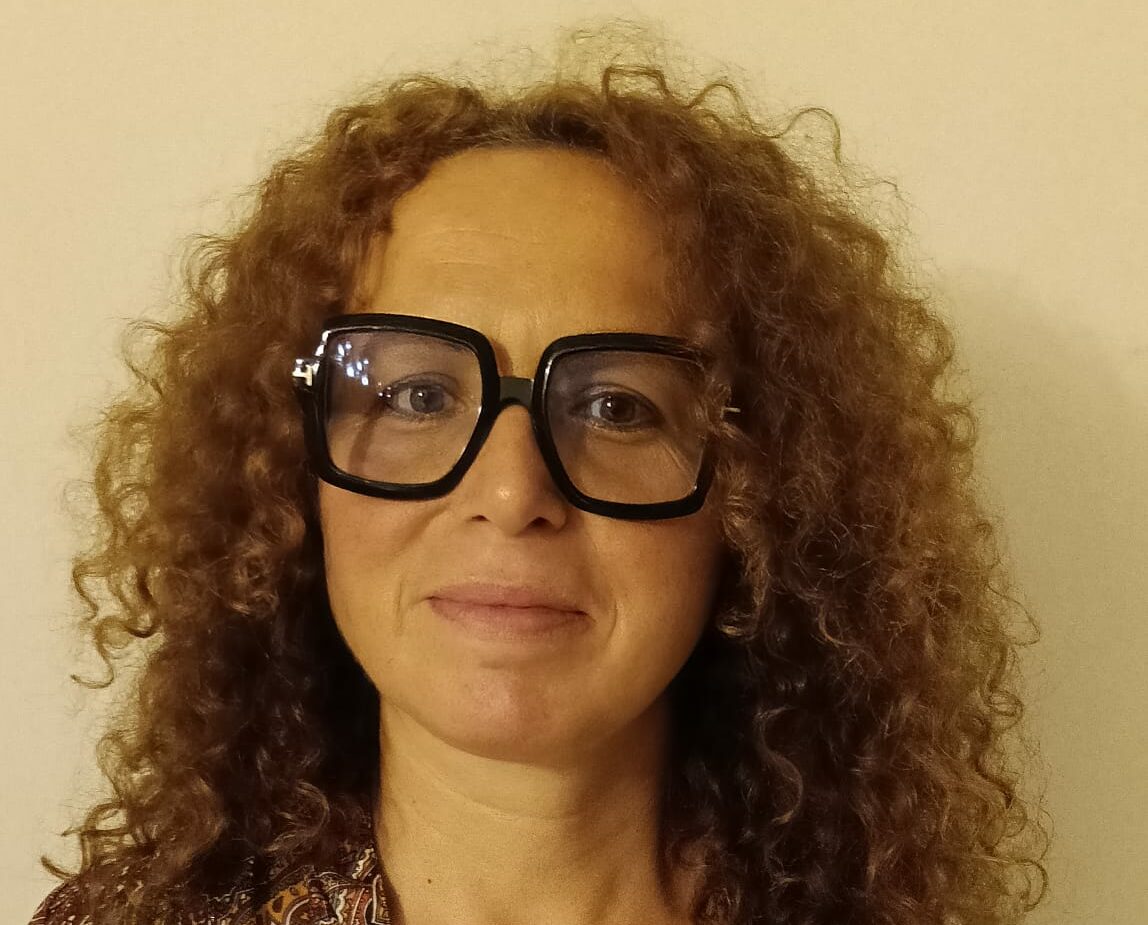
Quarta Alessandra
CV loading..
Siciliano Giulia
CV loading..
Tarantini Iolena
CV loading..
Tobaldi David
CV loading..
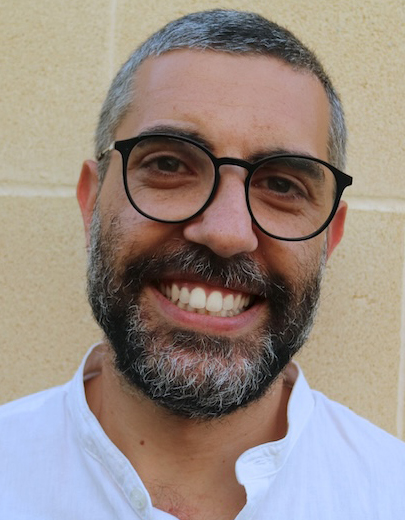
Turco Antonio
Antonio Turco is a dynamic young researcher with a steadily growing trajectory in multidisciplinary research involving advanced nanotechnology and carbon-based nanomaterials. His expertise spans several strategic areas, including biomedical applications, environmental remediation, and electrochemical sensing. Dr. Turco has consistently delivered innovative results that advance the state of the art, as demonstrated by his role as first and/or corresponding author in numerous high-impact scientific publications.
He is currently involved as Principal Investigator and co-investigator in several national and industrial research projects focused on the development and application of carbon nanomaterials and nanocomposites for sensing technologies, environmental solutions, and lab-on-chip platforms. He is also actively engaged in projects dedicated to neural tissue regeneration and the development of (multi)electrode systems for neural stimulation and recording. These roles reflect his strong commitment to scientific excellence and translational research at the interface of materials science, bioengineering, and nanotechnology.
Valleri Alessandra
CV loading..
Vergaro Viviana
Viviana Vergaro, Ph.D. is Rtd B in Chemistry at the University of Salento, Department of Experimental Medicine. Her research activity is actuated focused on experimental activity concerning synthesis and biological validation of new organic and inorganic nanomaterials for nanomedicine and nanoagrochemicals as well as the investigation of their functional properties.
The activities include the identification of new drug designs (above all metal-based drug, as DNA intercalating agents for cancer therapy) and therapeutic strategies using inorganic or organic stimuli responsive nanoparticles for the controlled release. These studies involve both ultrastructural investigations (SEM and TEM), or chemical analysis for studying different functionalizations of materials (FTIR, XRD, etc.). and a careful evaluation of the toxicological profile and biological effect of the new materials, using in vitro 3D cellular models, to better mimic the characteristics of the tumor microenvironment in vivo.
This activity is well documented by over 40 scientific publications in peer-reviewed journals, 1 European patent and various communications at international conferences.
Zammillo Gabriella
CV loading..
Chiriacò Maria Serena
Maria Serena Chiriacò (1984) gained her master degree cum laude in Human Biology in 2008 at Università del Salento; from May 2009 to June 2012, she attained her PhD on the “Smart Systems and Technologies” course at Università del Salento, Scuola Superiore ISUFI, Lecce, at the end of which she discussed her PhD thesis entitled “Protein EIS biosensors for on-chip diagnostics”.
Currently, she works as a permanent Senior Researcher at Nanotec Lecce. She gained high-level experience in the field of Lab-On-Chip devices for on-field diagnostics. Her skills vary from the design, fabrication and applications of electrochemical sensors to microfluidics and on-chip pre-treatments of biological samples, as confirmed by the publication of valuable papers in the field. The biological applications of the developed microfluidic and sensing platforms range from diagnostic tools to study biorecognition events (antigen/antibody, cell–cell, aptamer-antigen) to the detection of allergens or toxins, to the on-chip separation and sorting of biological objects and extracellular vesicles. She also has expertise in optical, laser and soft lithography and in employing photosensitive polymeric materials for microfluidic applications. She acquired skills in the realization of tools for the analysis of extracellular vesicles and in particular their sorting and entrapment on specifically-functionalized biochip. In 2019, she has been Principal investigator in SMILE Project (H2020 – EU Attract Program) in collaboration with STMicroelectronics and Unit Responsible in a PRIN2017 Project, both dealing with the realization of on-chip diagnostic tools. Recently (2020-2023), she led a Work Package of TITAN Project (Tumor ImmunoTherApy by Nanotechnology) dealing with the integration of microfluidic and sensing tools into lab-On-Chips for high-quality CAR-T cells production. Currently, she is the PI of a PRIN2022 Project (RESOLVE – innovative platfoRm based on fiEld-flow-fractionation and Sample On-chip detection to unravel extraceLlular Vesicles hEterogeneity) in collaboration with University of Bologna and Ospedale San Raffaele.
Ferrara Francesco
Francesco Ferrara is a senior researcher at CNR Institute of Nanotechnology. From 2004 to 2022 he was application engineer at System Research & Applications (SRA) group of STMicroelectronics. MSc in microelectronics engineering at Polytechnic University of Bari (IT) and PhD in biomolecular nanotechnology at University of Salento (IT). From 2004 to 2010 he worked on the first diagnostic platform based on disposable silicon chip for molecular testing in ST microfluidic business unit. Since 2010 he is part Silicon Biotech group and he work on new disposable Real-Time PCR platform for molecular diagnosis with integrated sample preparation device. Expert in cleanroom fabrication, optoelectronics and microfluidics, he is involved in national and European funding projects in the field of new generation technologies for healthcare.
Foscarini Alessia
CV loading..
Gaballo Antonio
Antonio Gaballo is permanent Senior Researcher at the Institute of Nanotechnology, National Research Council (CNR), Lecce. He holds a PhD in Biochemistry and Biology and a medical specialization in Clinical Biochemistry and Chemistry.
From 2001 to 2013, Antonio Gaballo served as a researcher at the Institute of Biomembranes and Bioenergetics in Bari (CNR-IBBE, now IBIOM) where he worked on biochemical and molecular mechanisms of energy conservation in bacteria of industrial relevance and mitochondria as well as on mitochondrial bioenergetics in certain forms of familial Parkinson’s disease. In 2013, he moved to the Institute of Nanotechnology (CNR Nanotec) based in Lecce. At CNR Nanotec, Dr. Gaballo initiated research on the relationship between solid tumors and their microenvironment, with a particular focus on the mechanisms underlying metastasis formation. His work is actually concentrated on the regulation of epithelial–mesenchymal transition (EMT), especially in response to changes in the surrounding microenvironment. He has coordinated nationally funded projects on bacterial genomics and bioenergetics (MUR-FAR DM23154, 2010-2013) and on advanced therapeutic strategies and drug delivery systems (Regione Puglia, project SISTEMA, 2015-2017). Dr. Gaballo has held academic teaching roles at the University of Bari and supervised numerous graduate and doctoral researchers
Garzarelli Valeria
CV loading..
Guarino Vita
Vita Guarino earned her Bachelor’s degree in Biotechnology (2009) and Master’s degree in Industrial Biotechnology (2011) from the University of Salento.
From 2013 to 2015, she completed advanced training in innovation and entrepreneurship through the “Activating MAAT” program, focusing on molecular nanotechnology for health and environmental applications, business planning, and technology transfer. In 2015, she was awarded the “Valore Assoluto 3.0” grant from the Chamber of Commerce of Bari, which enabled her to co-found the biotech startup Clover Therapeutics Srl in 2016. In this role, she led the development of drug delivery systems based on electrospun silk fibroin nanofibers, resulting in a patented technology, and gained extensive experience in technology transfer and startup management.
In 2017, she further strengthened her business expertise through a postgraduate program in export management with the Italian Trade Agency. In 2018, she gained international experience as a Trade Analyst at the Italian Trade Agency in Stockholm, supporting Italian SMEs in Northern Europe and facilitating business expansion in the life sciences and high-tech sectors.
From 2019 to 2022 (including five months of maternity leave), Dr. Guarino completed her PhD in Nanotechnology at the University of Salento, focusing on the development of Organ-on-Chip devices to model vascular-tissue barriers, under the supervision of Prof. Giuseppe Gigli, with co-supervision by Dr. Valentina Arima and Prof. Lorenzo Moroni (Maastricht University).
Her research experience also includes positions at CNR IMM (2022–2023) and CNR NANOTEC (2024), where she worked on dynamic co-culture protocols on chips, endotoxin-free microfluidic devices, and the integration of biosensors into microfluidic systems.
She is currently a Senior Postdoctoral Research Fellow at the Department of Experimental Medicine, University of Salento, developing advanced microfluidic platforms for precision medicine, with a particular focus on Organ-on-Chip systems and 3D cerebral microvessel modeling.
Dr. Guarino’s work lies at the intersection of microfluidics, biotechnology, and nanotechnology, aiming to develop cutting-edge experimental tools to study cerebral vasculogenesis, angiogenesis, and the blood-brain barrier, with applications in neuroscience, oncology, and precision medicine. Her combination of scientific expertise and entrepreneurial experience enables her to bridge research, technology development, and translational innovation.
Loiola Clarissa
Clarissa Loiola, with a master’s degree in biotechnogies from university of Modena, bring a hands-on experience in cell culture and molecular biology. Most recentIy, she focused her research on identification and analysis of biomarker from various biological fluids, particularly in neurodegenerative diseases, like Alzheimer’s disease translating molecular research into clinical practice. Moreover , her research aims at identifying potential post-traslational modifications that might be implicated in pathologic mechanisms.
Malerba Francesca
Francesca Malerba, PhD, is a protein biochemist with expertise in biomarker discovery for neurodegenerative diseases. Her research focuses on developing and validating innovative assays for fluid biomarkers, with a particular interest in proNGF/NGF and their role in Alzheimer’s and related disorders. She has contributed to the establishment of a patented immunoassay for proNGF in cerebrospinal fluid, demonstrating its potential to improve diagnostic accuracy. Beyond biomarker validation, she has also worked on the development of NGF-based therapeutics, exploring applications in neurology and ophthalmology. Her scientific career is marked by interdisciplinary collaborations and a translational perspective, aiming to connect basic science with clinical needs. In addition to her research, she is active in science communication, promoting dissemination events and contributing to publications such as books, brochures, and comics for the general public.
Anna Rita Migliaccio
Dr. Migliaccio holds degrees in Biological Sciences and in Natural Science from the University of Naples, Naples – Italy and has been trained at serious prestigious institutions such as the TNO Institute for Radiobiological Research, Rijswijk – The Netherlands, and the Department of Hematology, University of Washington – Seattle, WA.
She has been: Co-director of the Hematopoietic Growth Factor laboratory of the New Blood Center – New York, NY; Director for Research in Transfusion Medicine, Istituto Superiore Sanità – Rome, Italy; Professor of Medicine at the Ichan School of Medicine at Mount Sinai – Mount Sinai, New York, NY; “Chiara Fama” Professor of Istology and Embryology, Alma Mater University of Bologna – Bologna, Italy.
She currently holds a joint position as Senior Investigator of the Altius Institute for Biomedical Sciences – Seattle, WA.
Dr. Migliaccio is internationally recognized for her work in experimental hematology on the mechanisms that regulate fate decisions of the hematopoietic stem cells and how these mechanisms are altered in congenital and acquired diseases. Her laboratory made seminal discoveries on the changes in the property of the hematopoietic stem cells during ontogenesis and aging that pioneered studies on cord blood as a source of hematopoietic stem cells for transplantation and on the pathobiology of hemoglobinopathies and myeloproliferative disorders.
Dr. Migliaccio serves as Associated Editor/Editor in chief of several scientific journals and is member of relevant national (NIH) and international (European Community) study sections.
Dr. Migliaccio has published over 215 scientific papers, H-index = 43 and 12,366 total citations (Scopus 2025).
Polini Alessandro
Alessandro Polini is a Researcher at the Institute of Nanotechnology CNR-NANOTEC, IT. He has wide experience in the field of biomaterials for tissue engineering, manufacturing and design of Organ-on-a-chip and LoC systems, materials sciences and microfabrication. He has carried out research in these fields both in Italy and abroad (Lawrence Berkeley National Lab and Harvard Medical School in US, Radboud University in the Netherlands), supervising several PhD and Master students. He won numerous national and international awards and honors, founded two start-up companies (SM&T S.r.l. and AI-TWIN S.r.l.) focused on innovative biomaterials and organ-on-chip, respectively, has been involved in numerous EU and national projects. His research has been covered by numerous national and international newspapers, magazines and TV broadcasters.
Quarta Alessandra
CV loading..
Turco Antonio
Antonio Turco is a dynamic young researcher with a steadily growing trajectory in multidisciplinary research involving advanced nanotechnology and carbon-based nanomaterials. His expertise spans several strategic areas, including biomedical applications, environmental remediation, and electrochemical sensing. Dr. Turco has consistently delivered innovative results that advance the state of the art, as demonstrated by his role as first and/or corresponding author in numerous high-impact scientific publications.
He is currently involved as Principal Investigator and co-investigator in several national and industrial research projects focused on the development and application of carbon nanomaterials and nanocomposites for sensing technologies, environmental solutions, and lab-on-chip platforms. He is also actively engaged in projects dedicated to neural tissue regeneration and the development of (multi)electrode systems for neural stimulation and recording. These roles reflect his strong commitment to scientific excellence and translational research at the interface of materials science, bioengineering, and nanotechnology.
Vergaro Viviana
Viviana Vergaro, Ph.D. is Rtd B in Chemistry at the University of Salento, Department of Experimental Medicine. Her research activity is actuated focused on experimental activity concerning synthesis and biological validation of new organic and inorganic nanomaterials for nanomedicine and nanoagrochemicals as well as the investigation of their functional properties.
The activities include the identification of new drug designs (above all metal-based drug, as DNA intercalating agents for cancer therapy) and therapeutic strategies using inorganic or organic stimuli responsive nanoparticles for the controlled release. These studies involve both ultrastructural investigations (SEM and TEM), or chemical analysis for studying different functionalizations of materials (FTIR, XRD, etc.). and a careful evaluation of the toxicological profile and biological effect of the new materials, using in vitro 3D cellular models, to better mimic the characteristics of the tumor microenvironment in vivo.
This activity is well documented by over 40 scientific publications in peer-reviewed journals, 1 European patent and various communications at international conferences.
